TIGERBOB MADE-TO-ORDER FASHION
2022 - Ongoing
Statement
In line with Tigerbob’s commitment to sustainability, the manufactured made-to-order fashion line thoughtfully scales up my apparel and accessory designs. These designs are initially sampled myself on my knitting machine and/or designed with hand drawn concept sketches. The Made-to-order model allows me to mirror the scarcity of artwork I already make myself. I design clothes for myself first and everyone else next. This is a slow fashion brand - I design a limited amount of pieces each year, disregarding seasons. I want the work to outlast the test of time, for people to buy exactly what they want to keep, and to pass it down instead of throwing it away. The fashion line is produced exclusively with Tailored Industry in Brooklyn, New York.The clothes we wear and the items in our homes are objects that allow us to find and express ourselves, to connect to other people and traditions. In this context, a brand is more than just a logo — it’s a set of values and associations and a statement about who you are. My artwork is about expressing my identity, and the clothes I make drive this message home.Why Knitwear?
The knitting process requires design of both the fabric and the garment simultaneously. This is a constraint is aligned with my machine knitting and grid input practices and carries over to my formal body of work. In a practical sense, knitwear limits supplies and raw materials exclusively to yarn instead of multiple types of fabric for each colorway and design. This reduces cost while simultaneously allowing me to explore a greater number of garment designs and accessories with the same yarn.Products
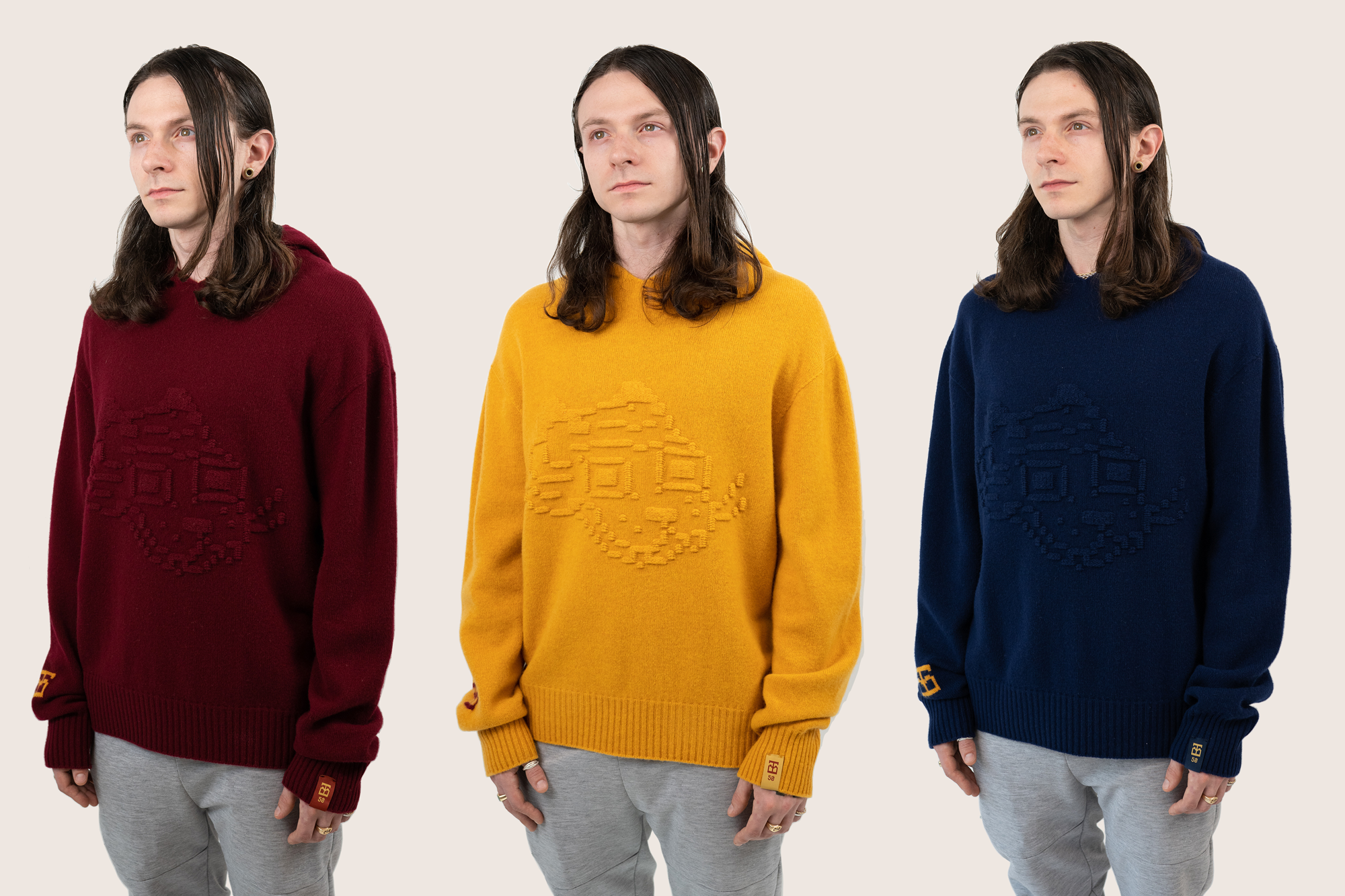
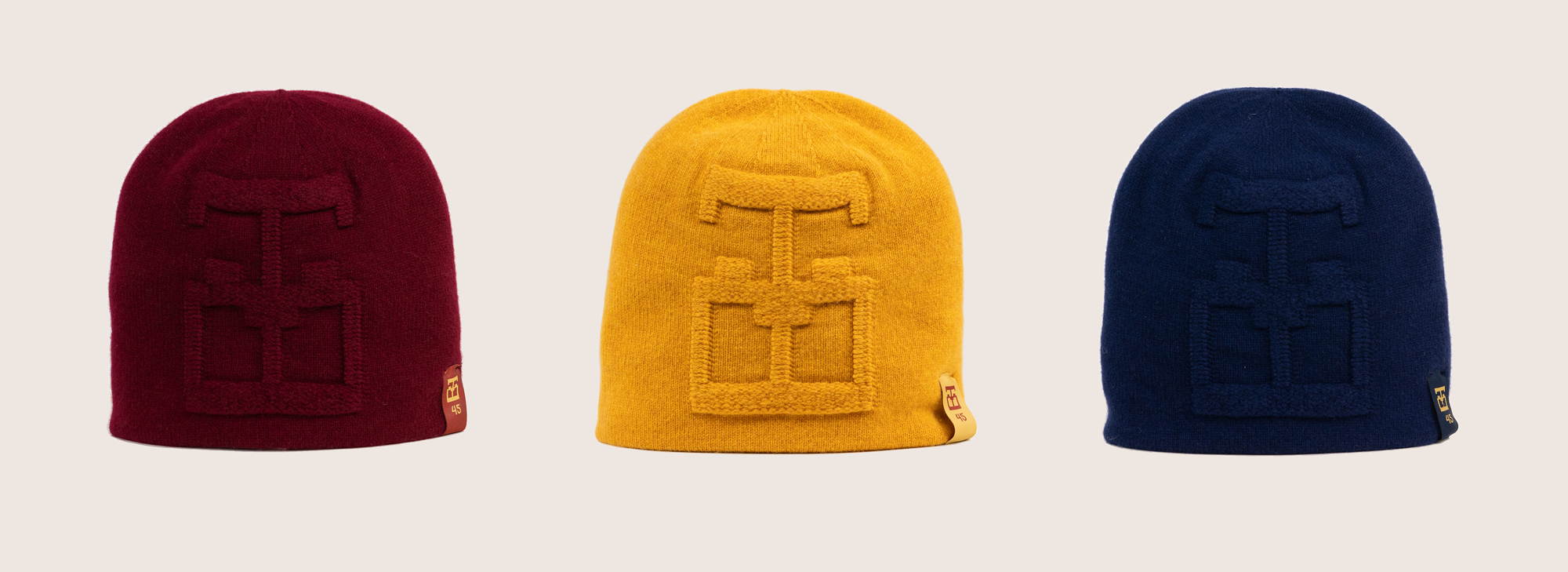
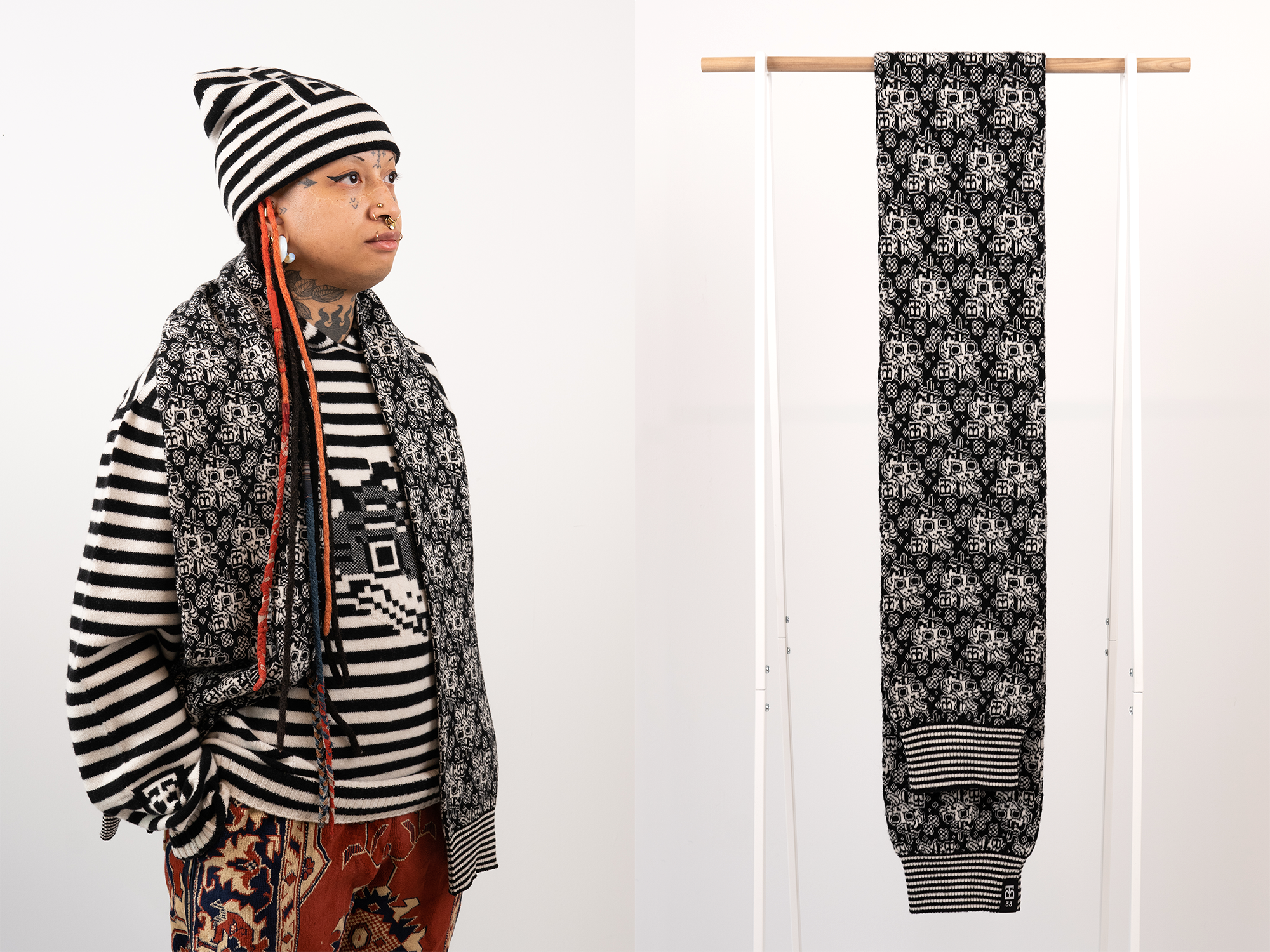
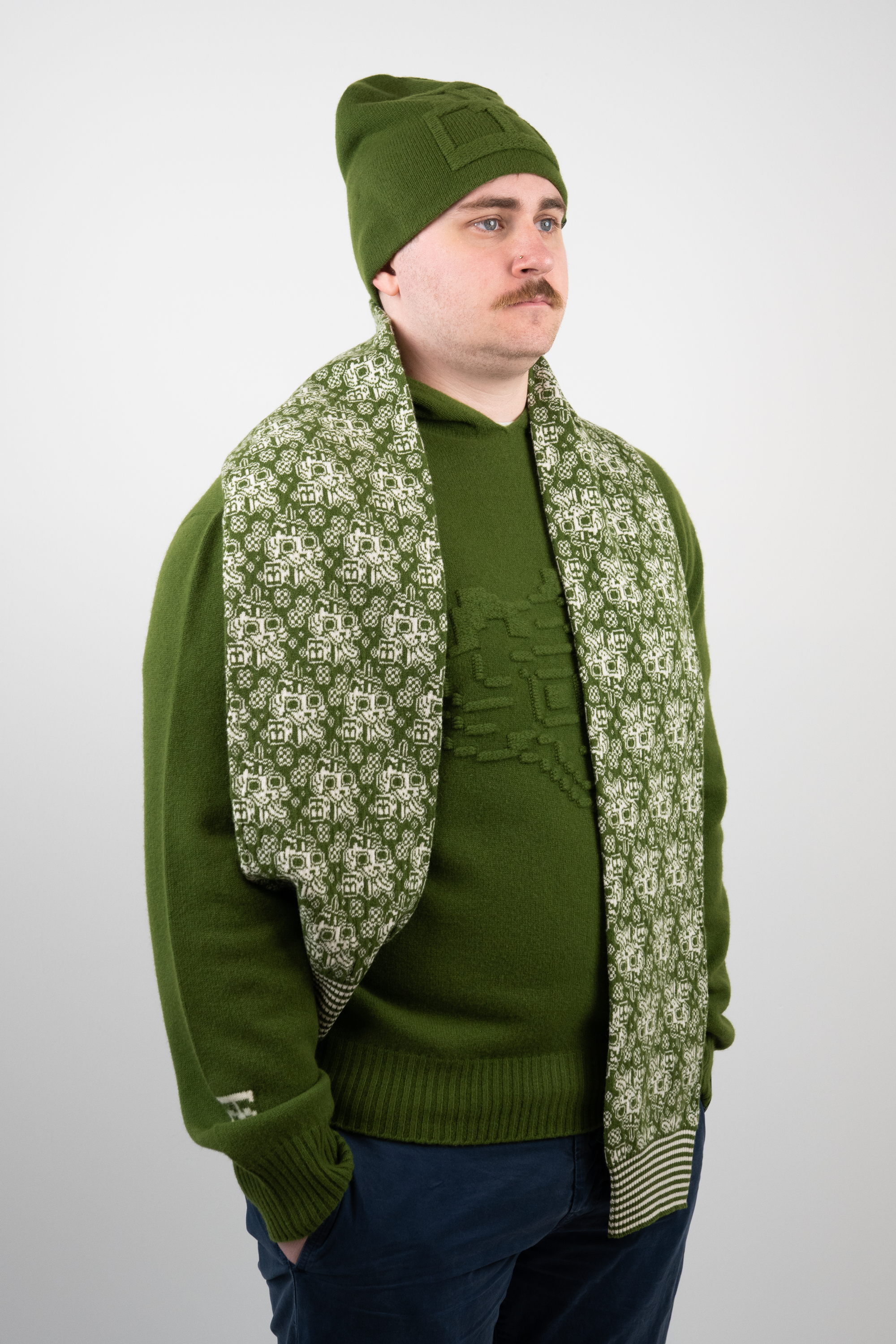
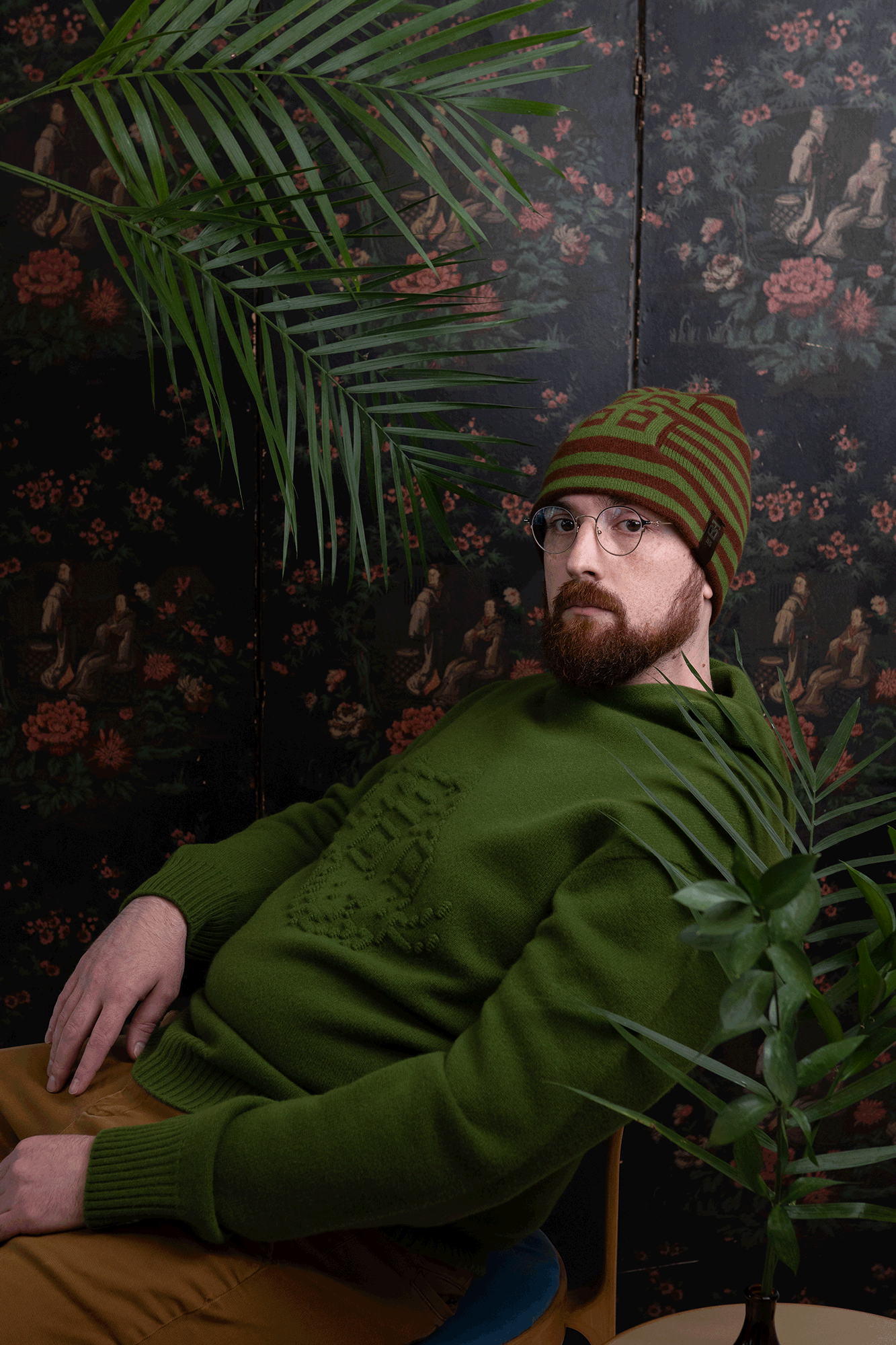
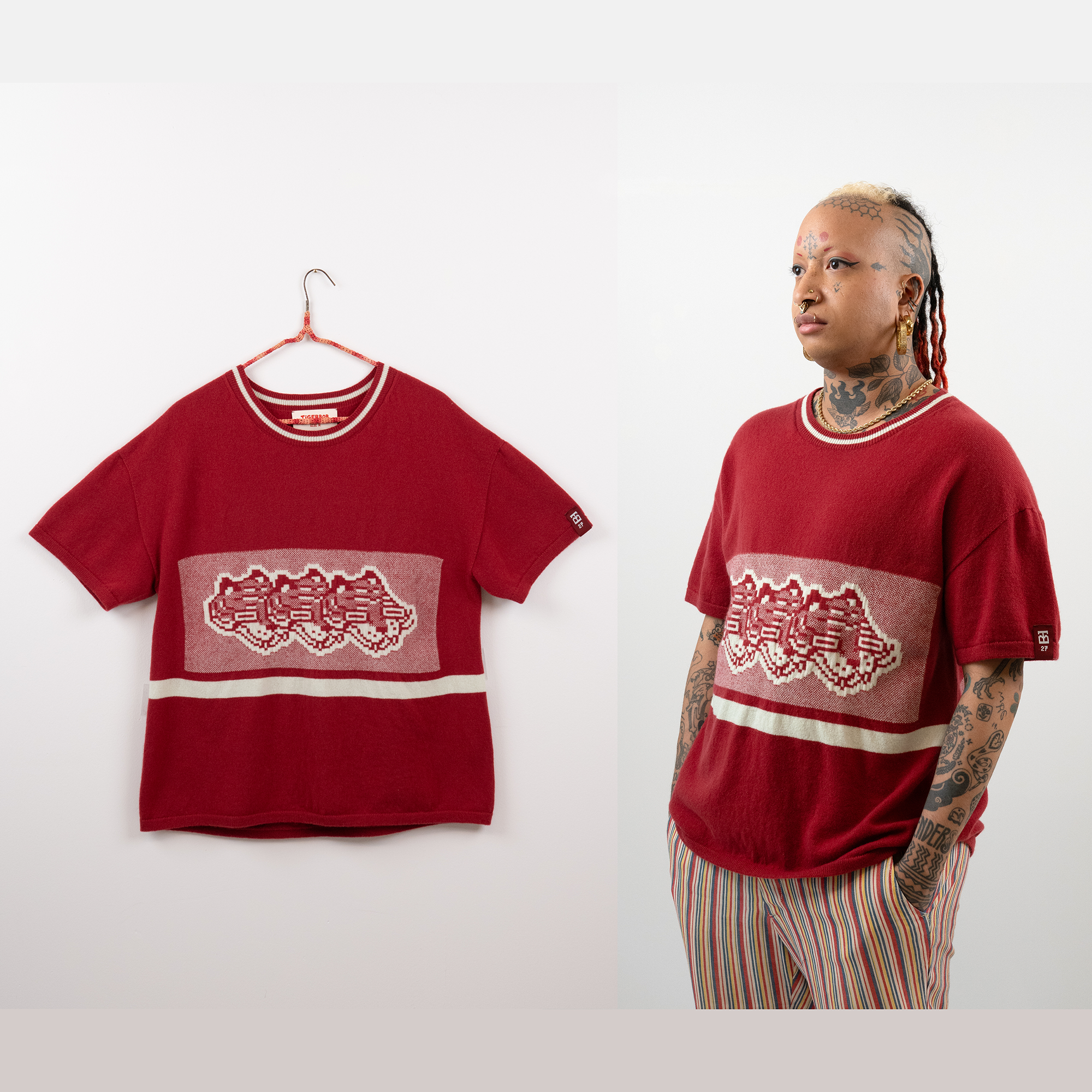
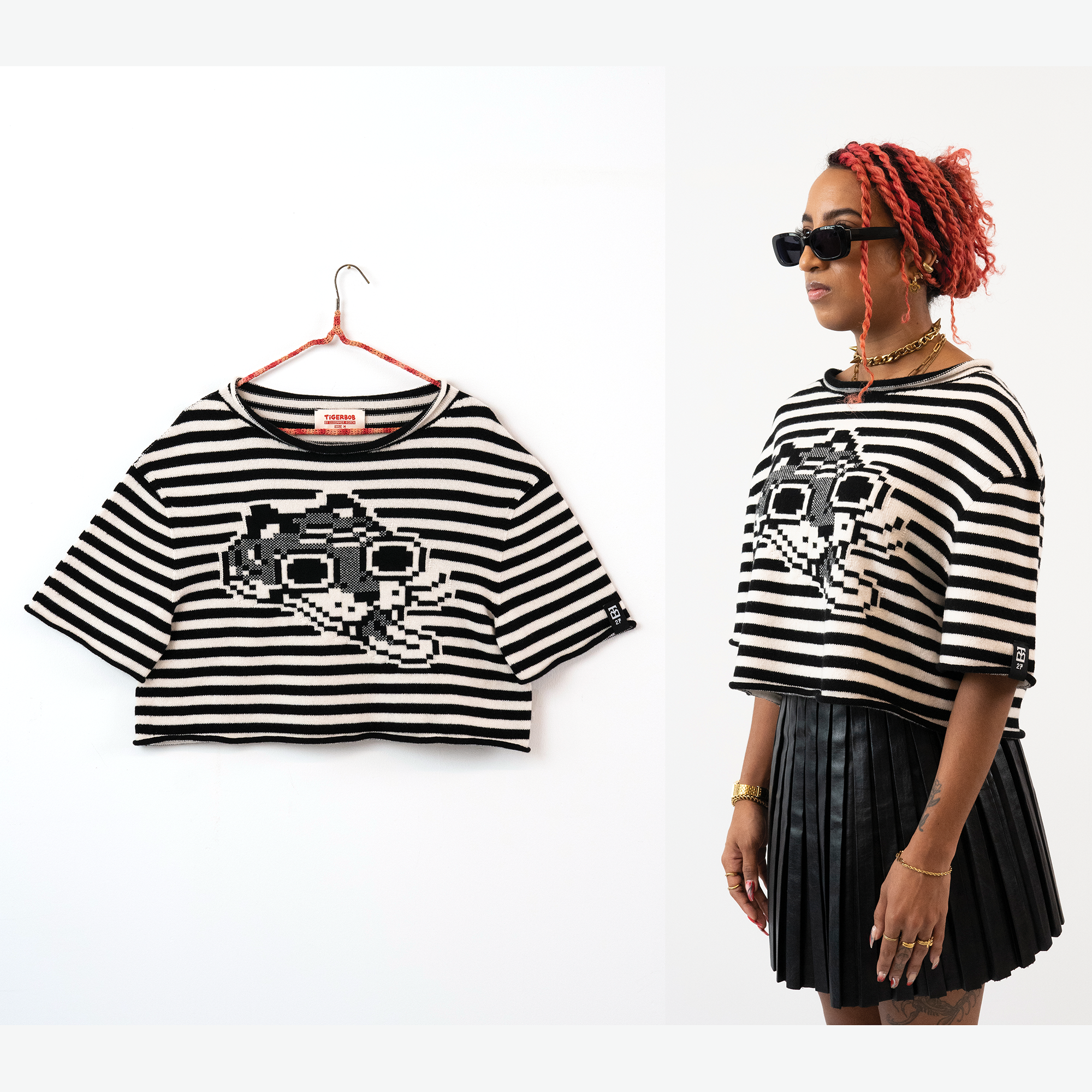
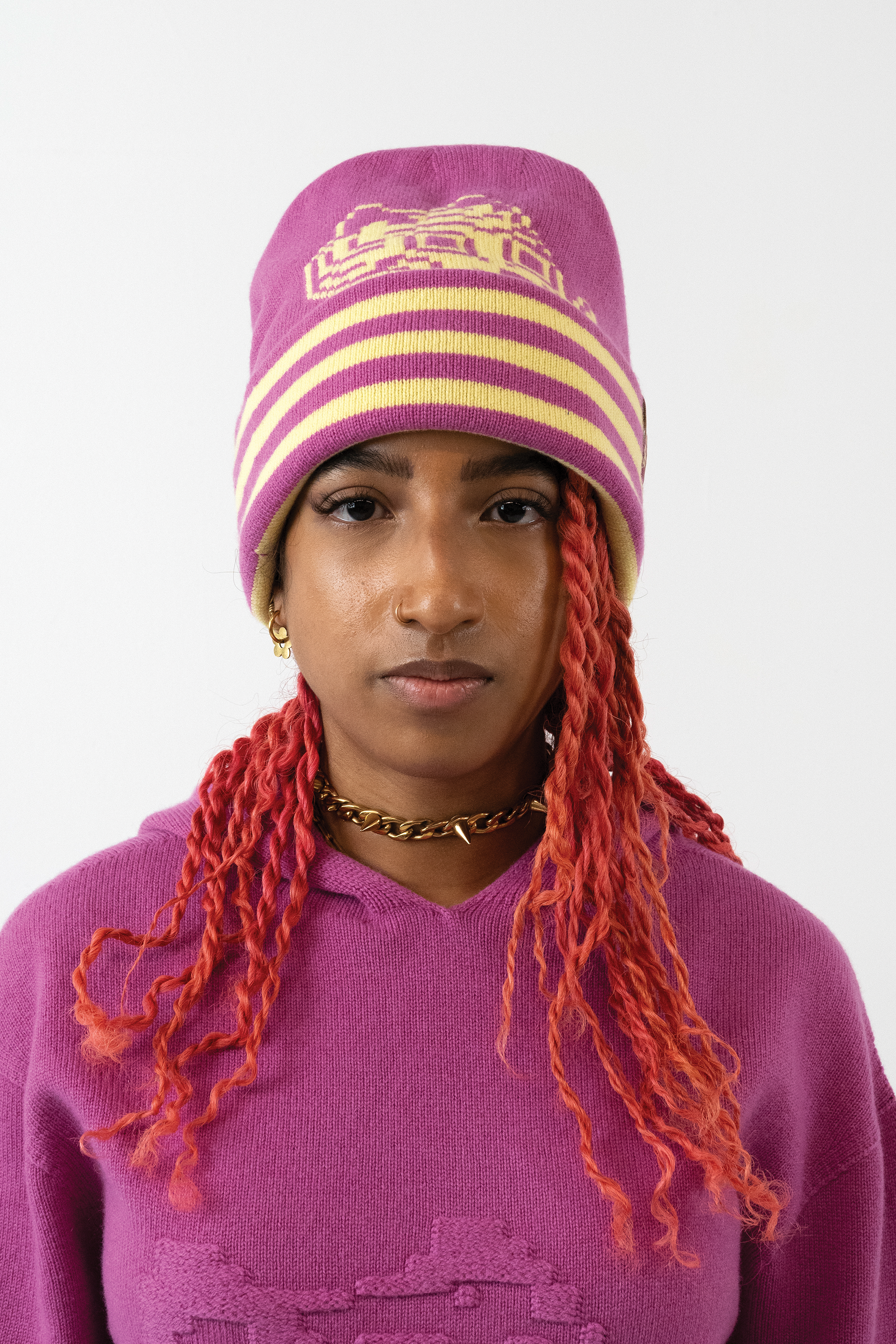
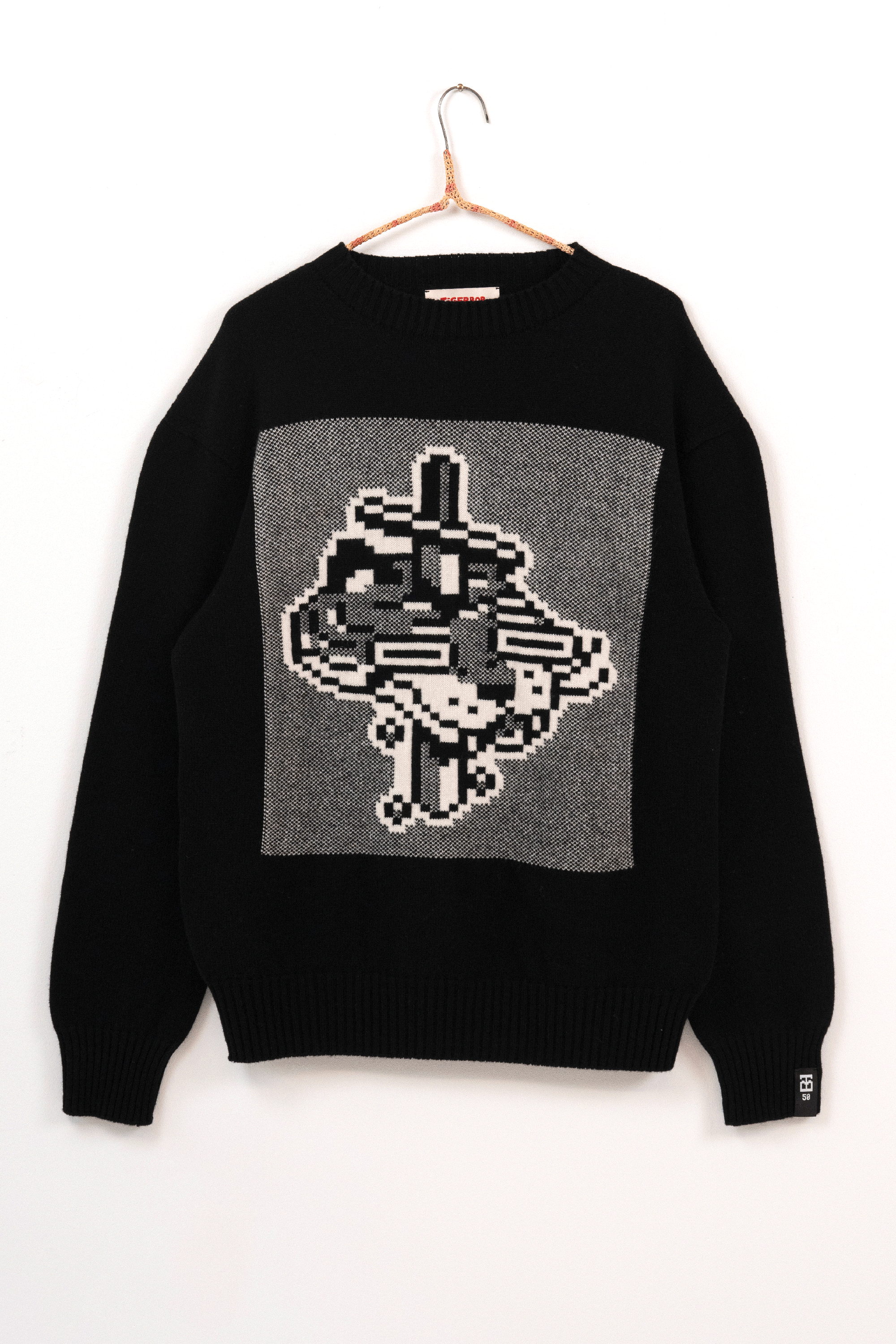
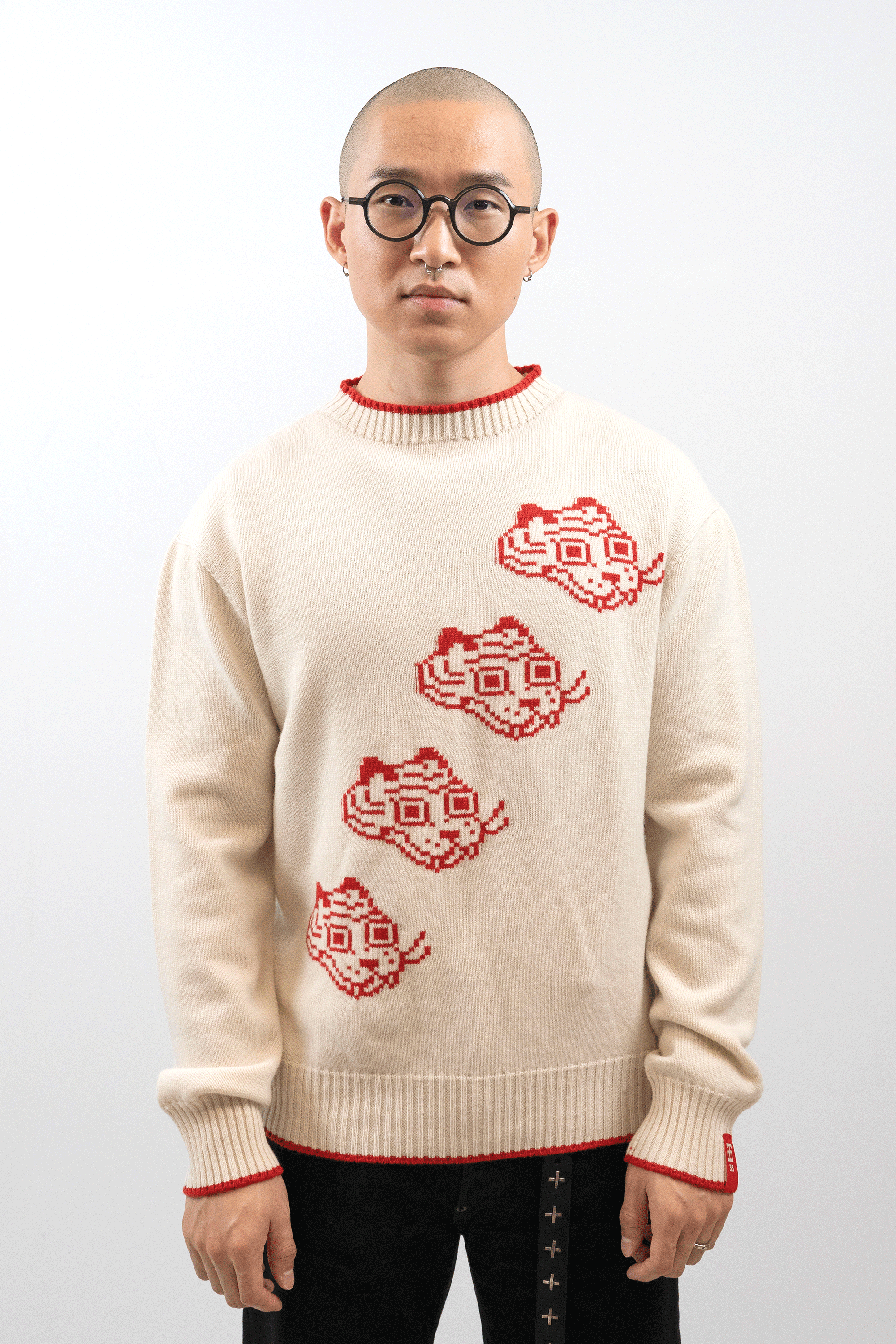
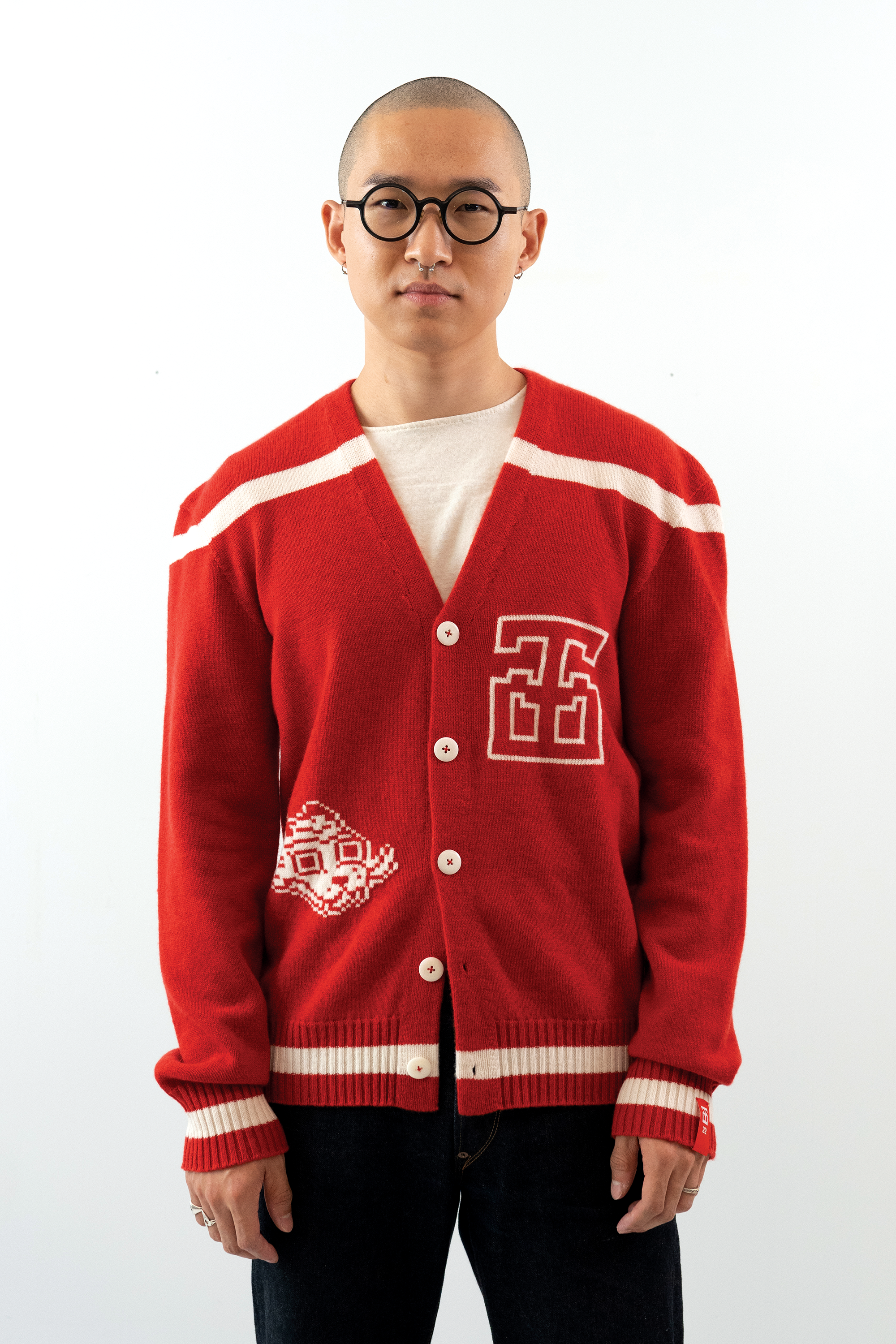
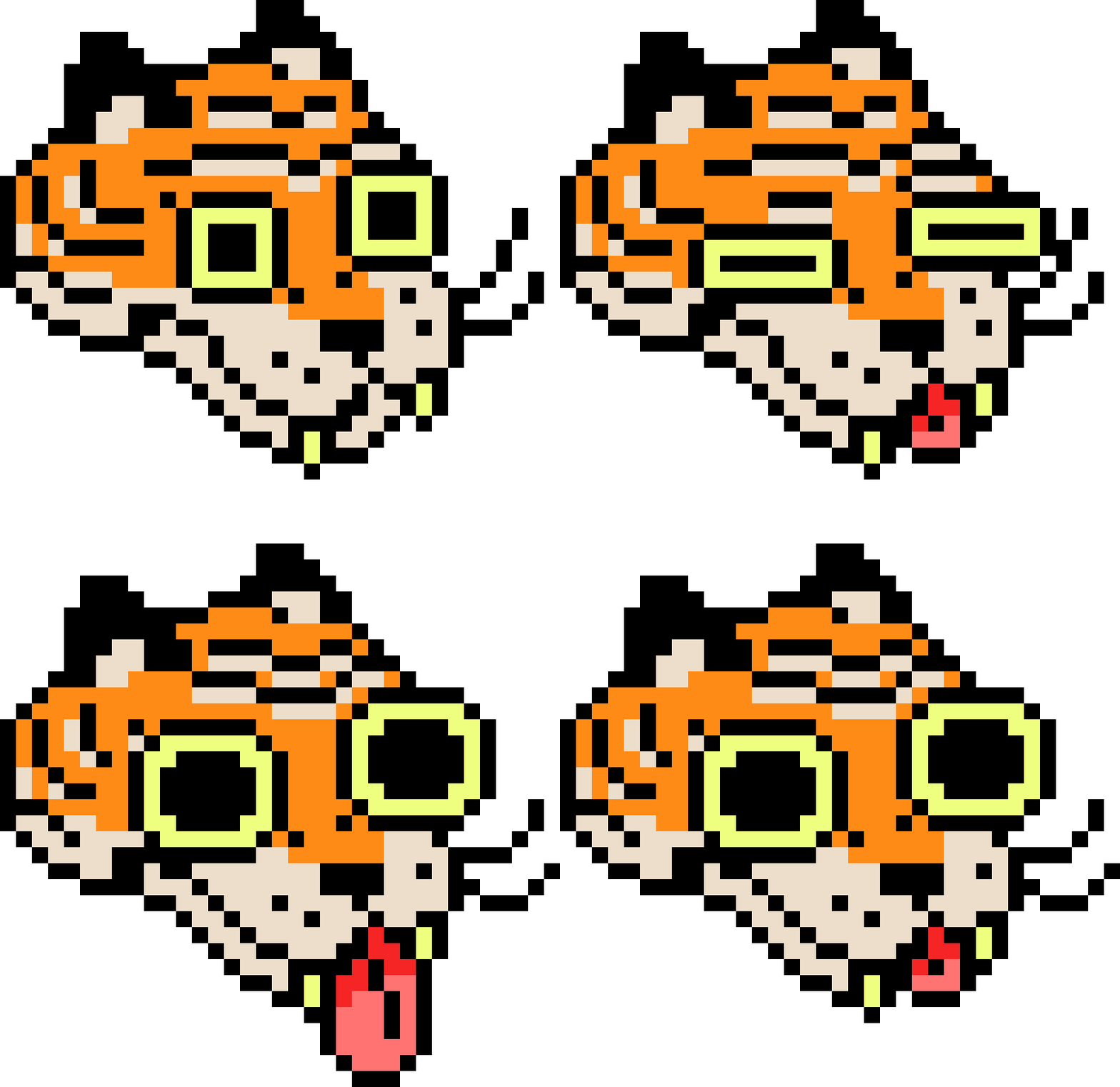
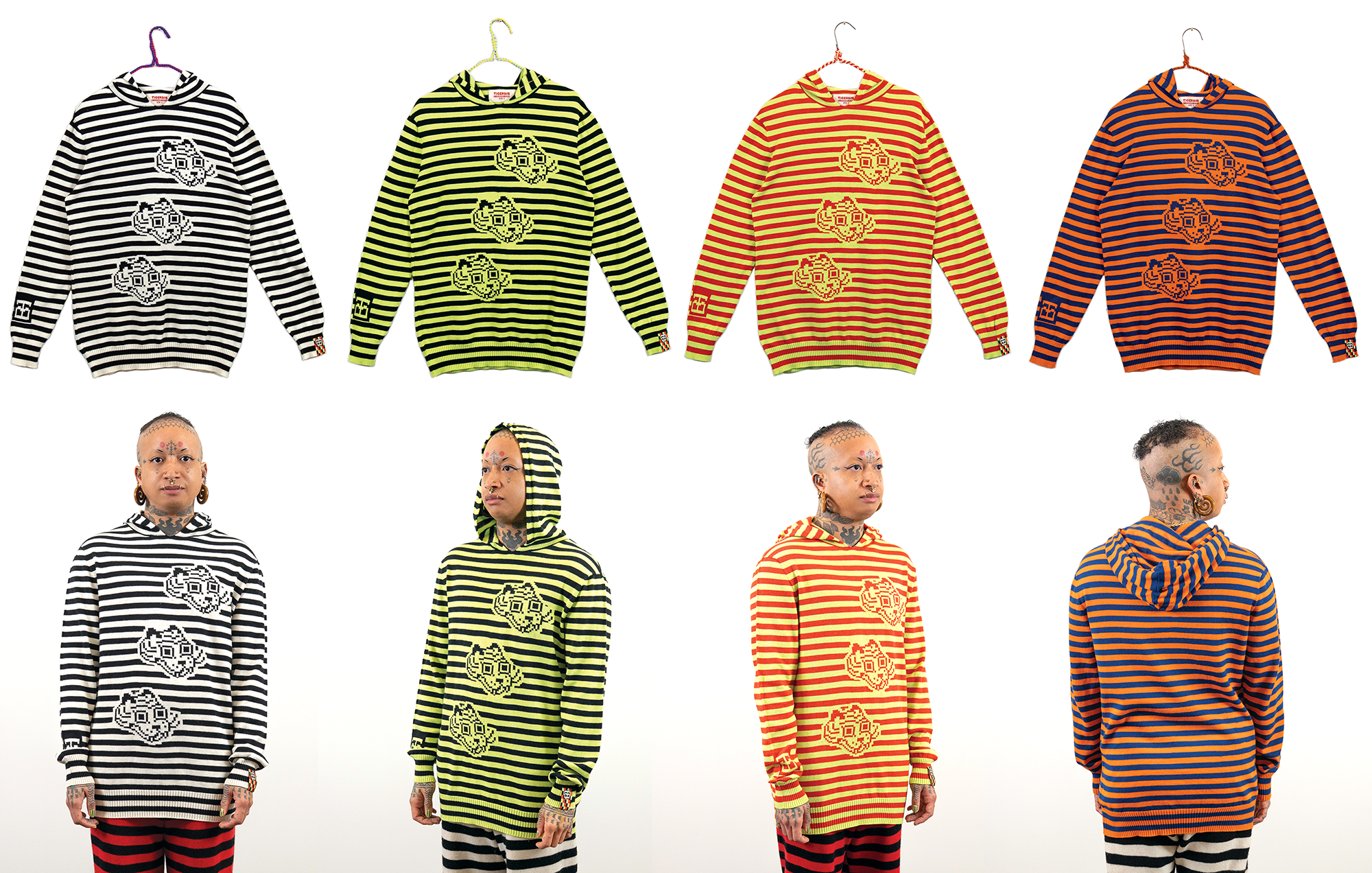
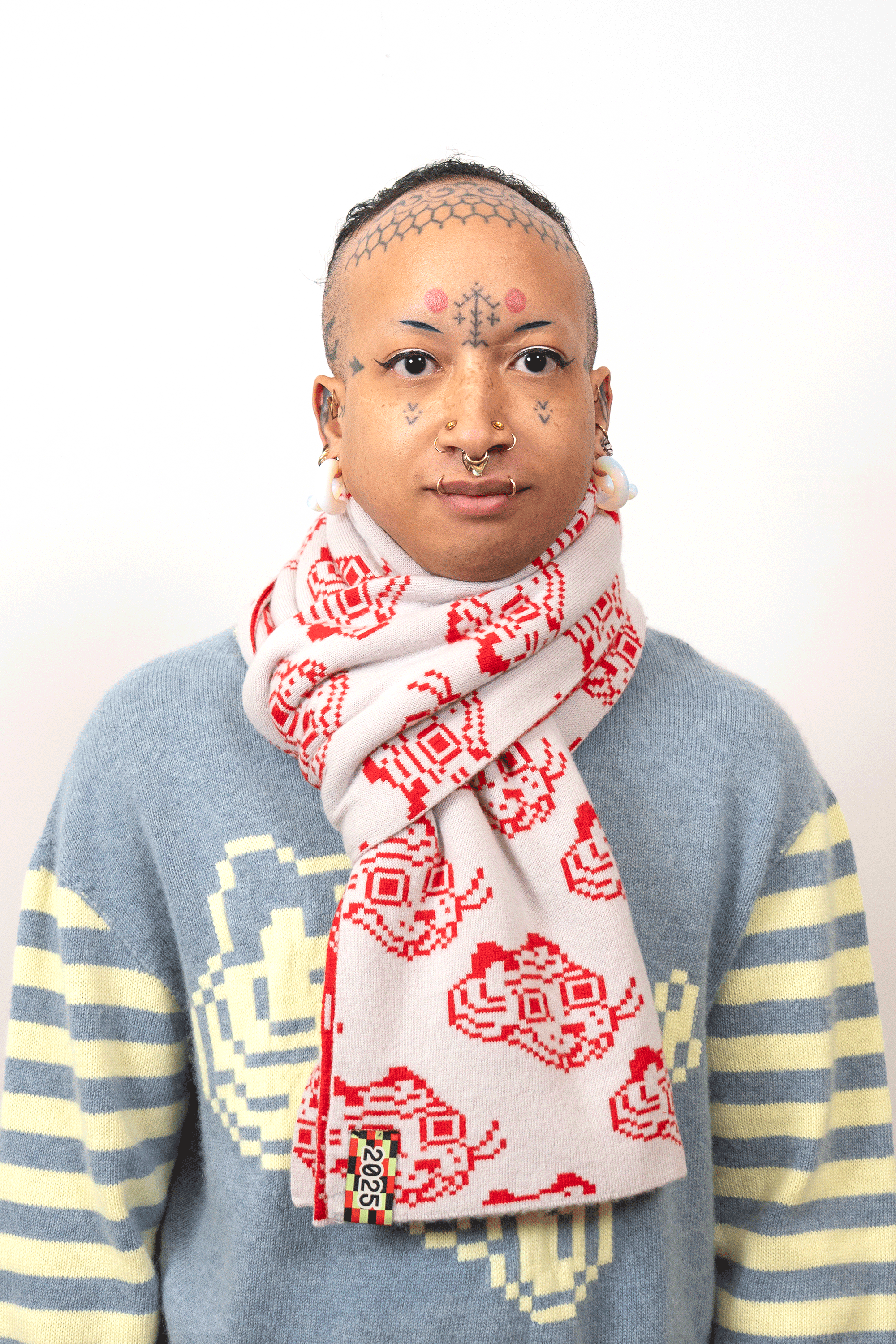
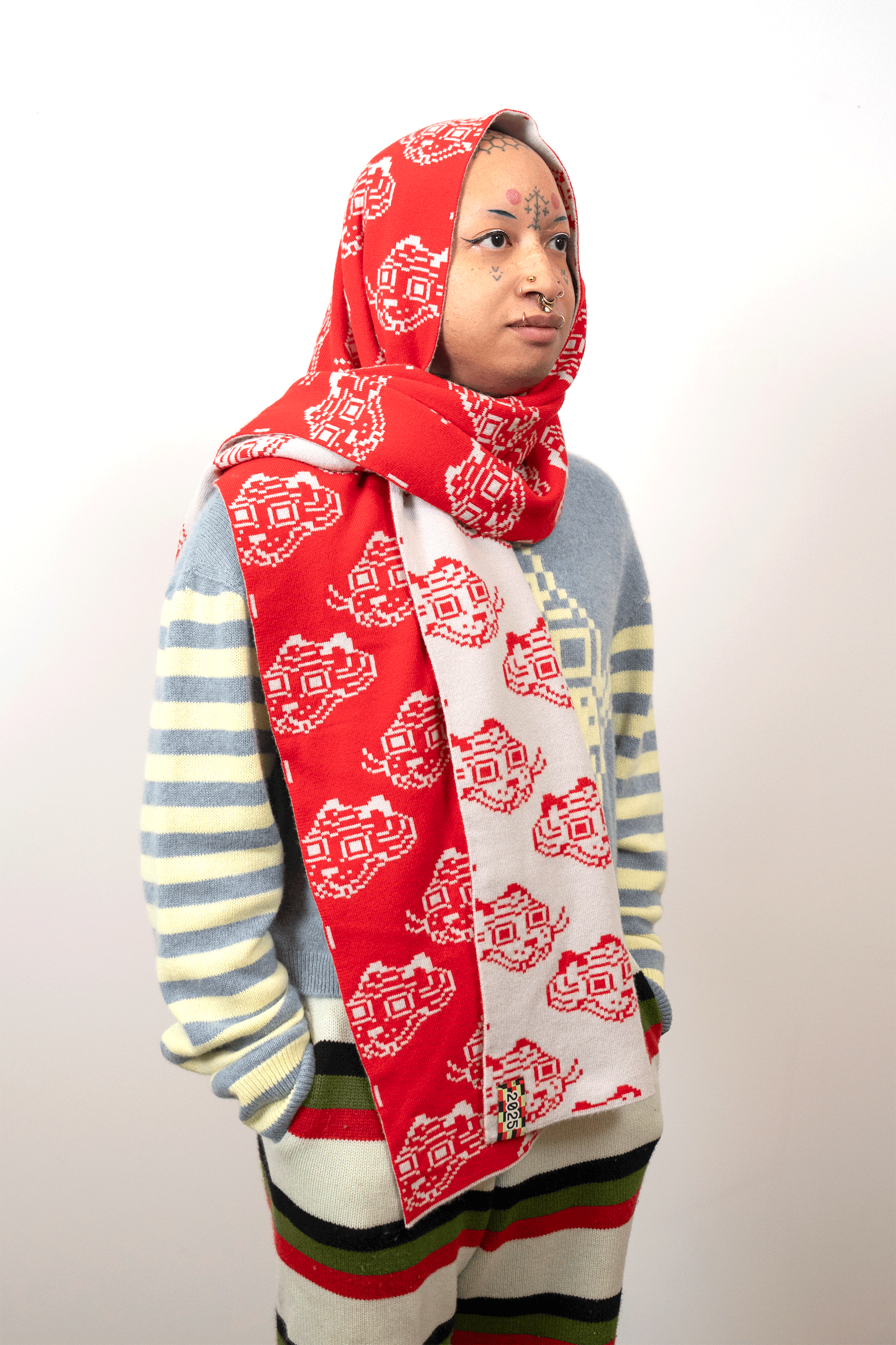
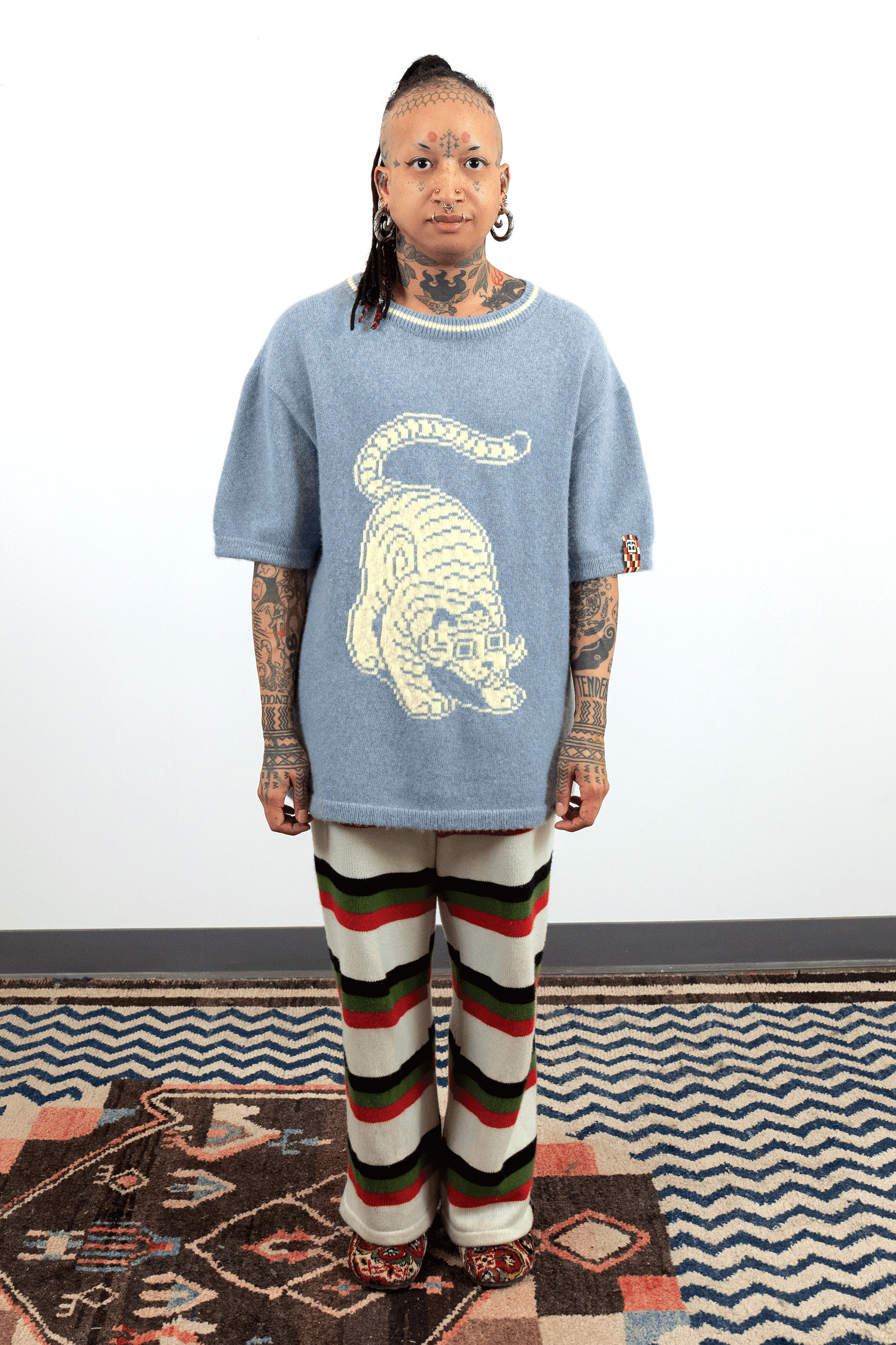
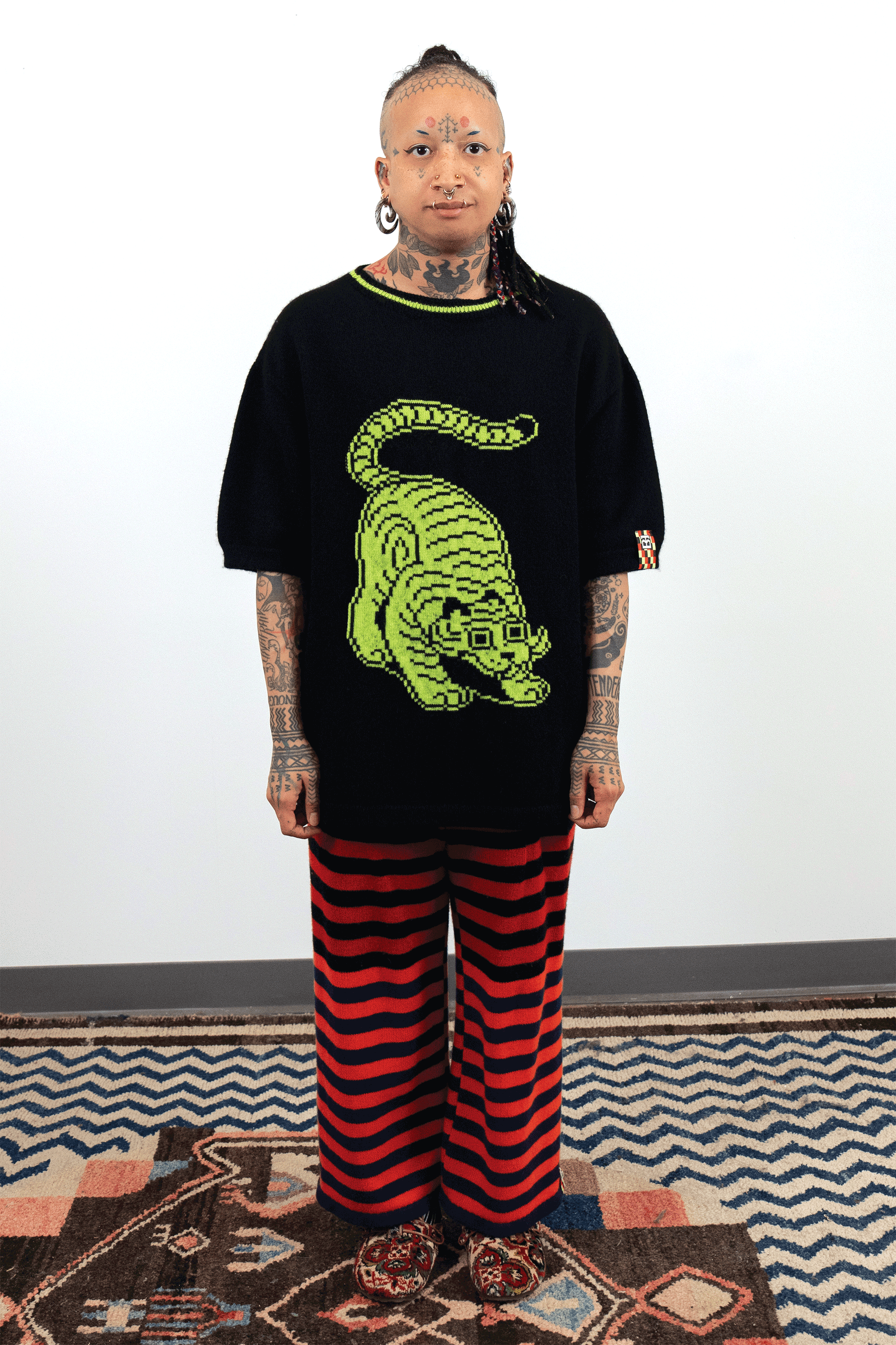
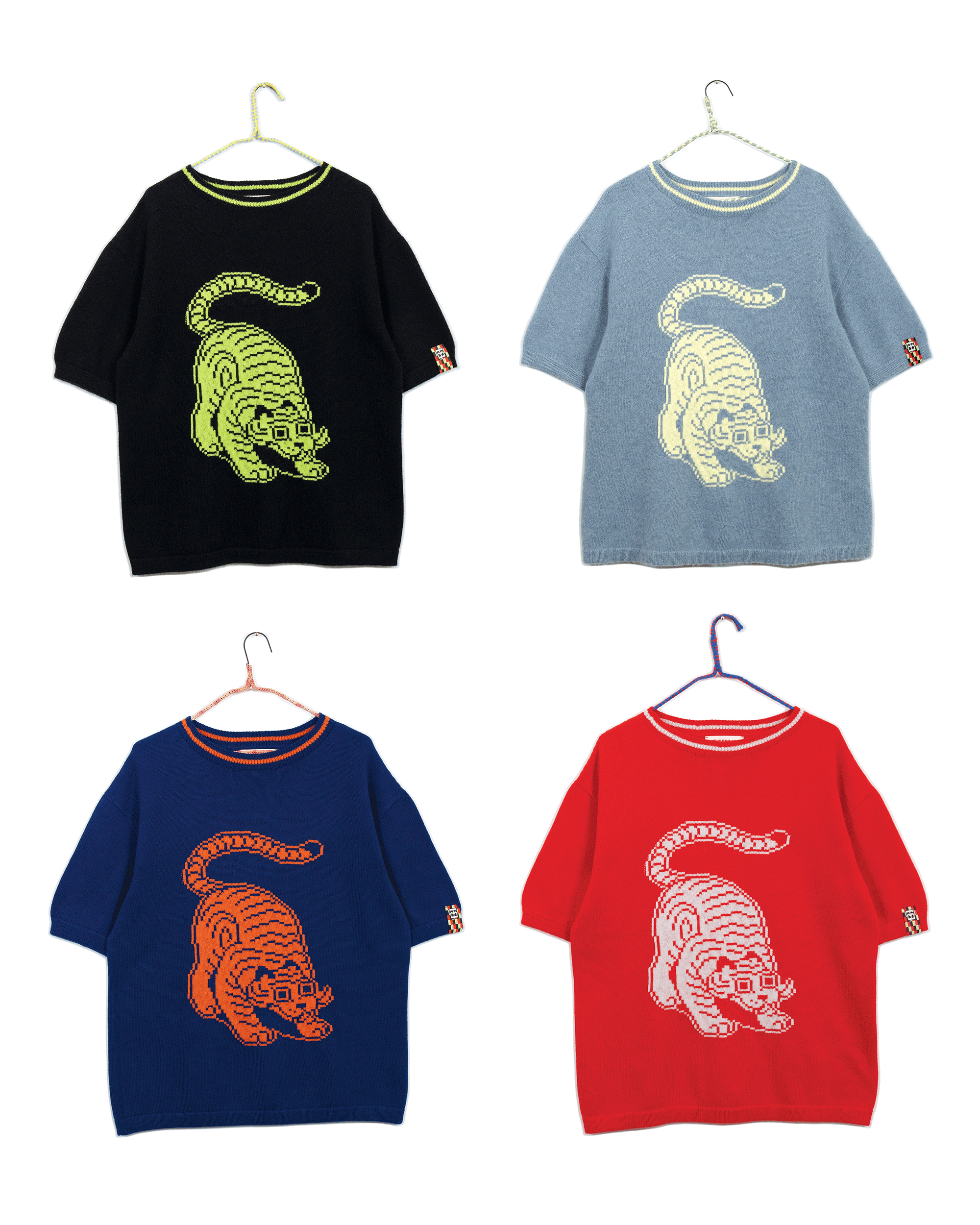
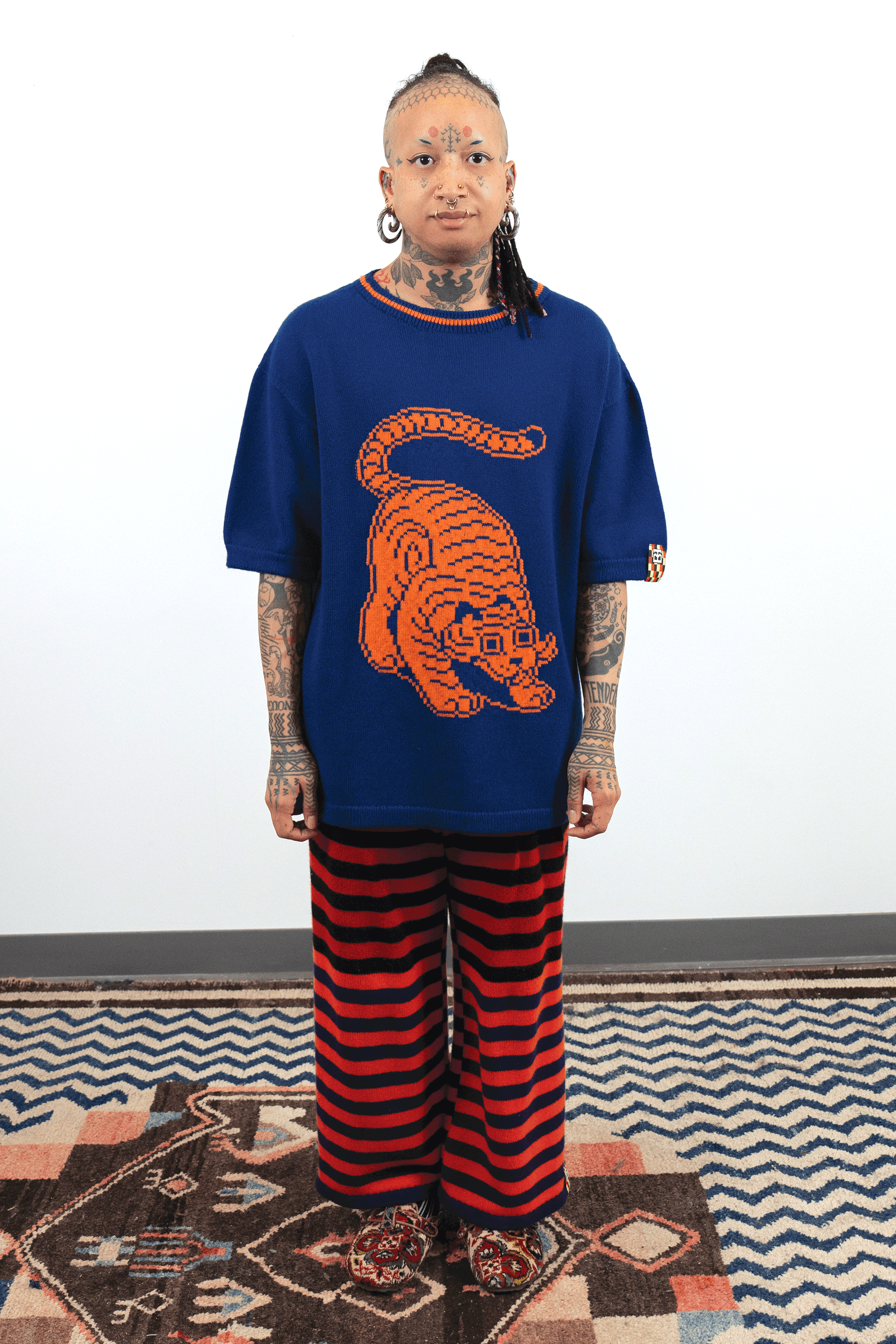
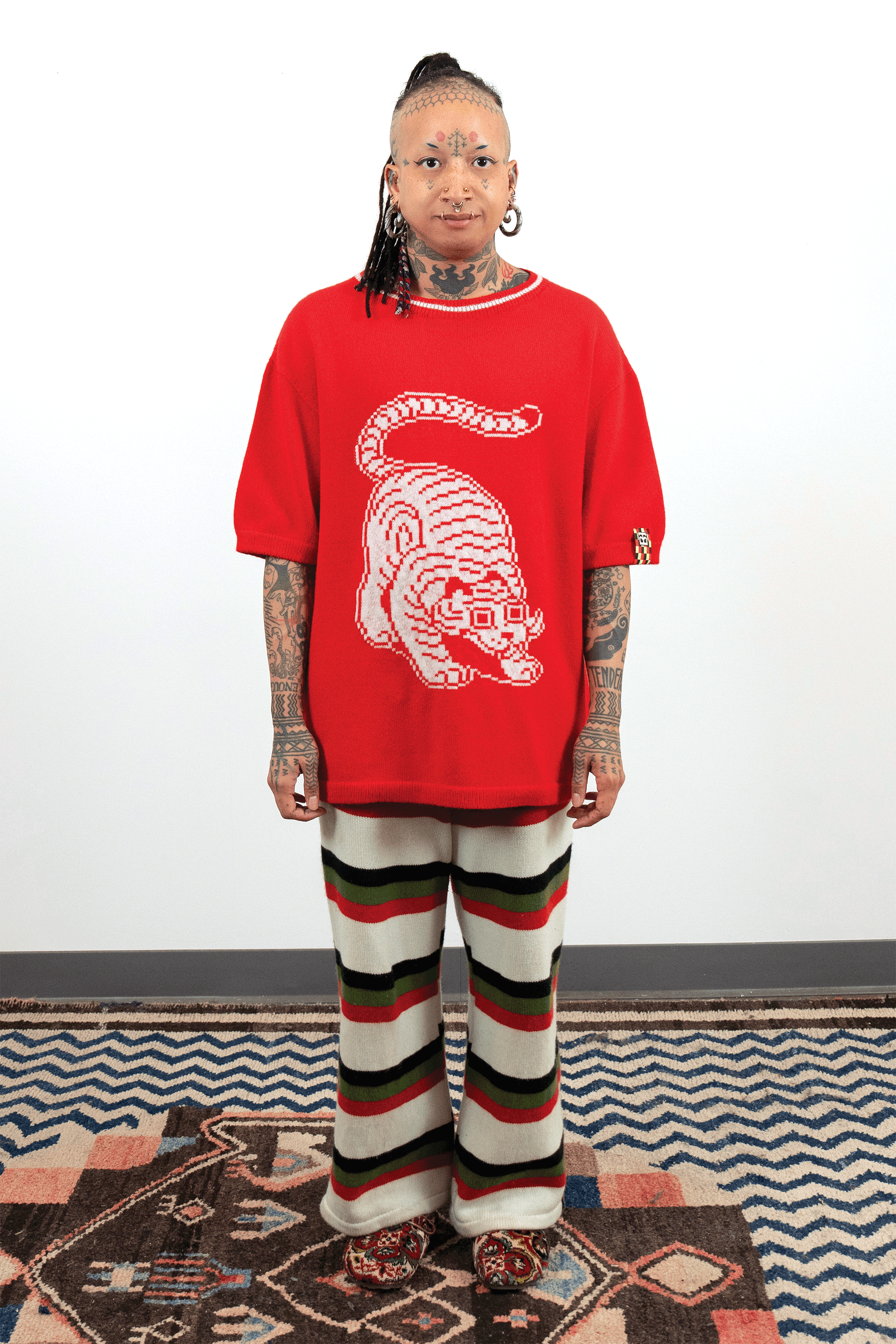
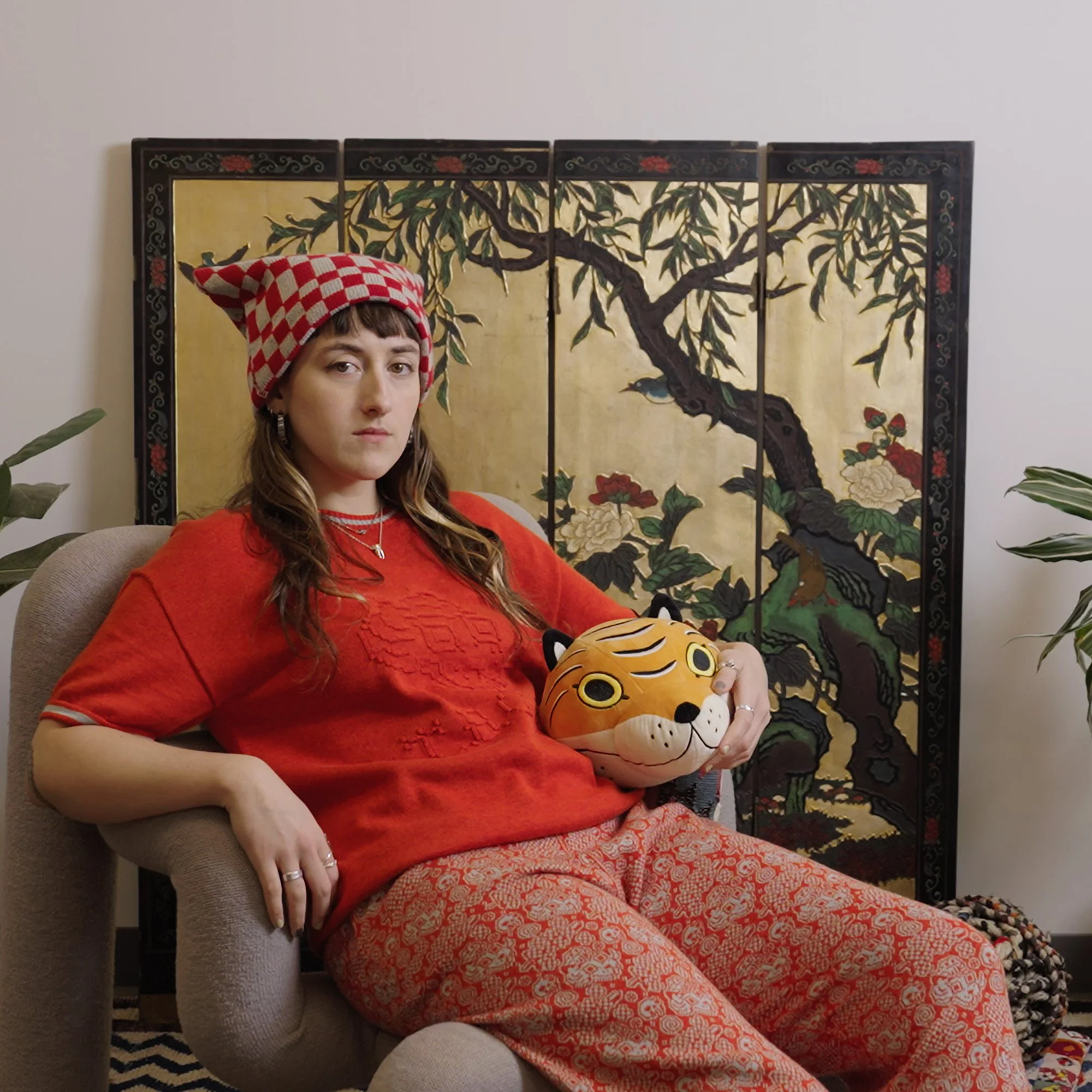
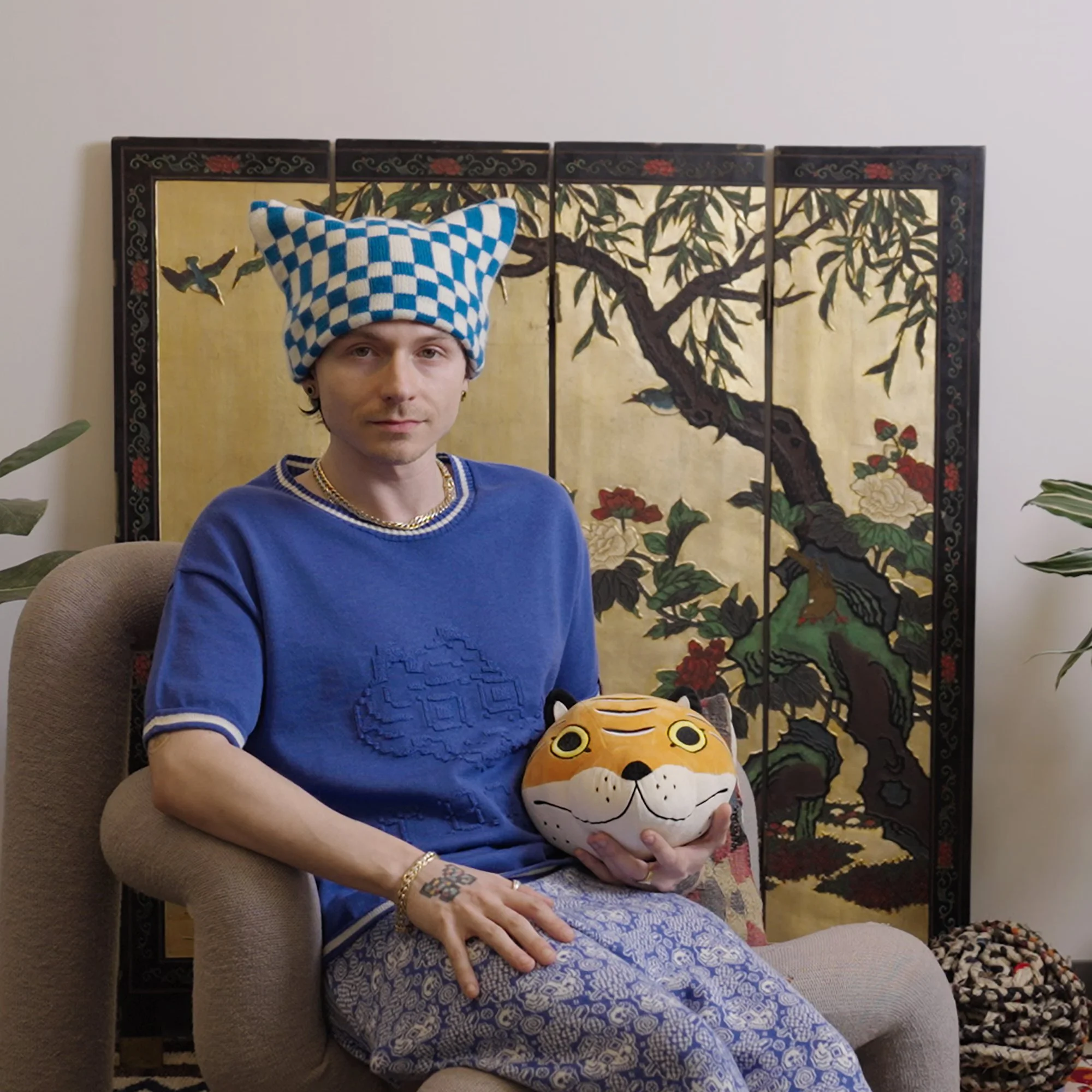
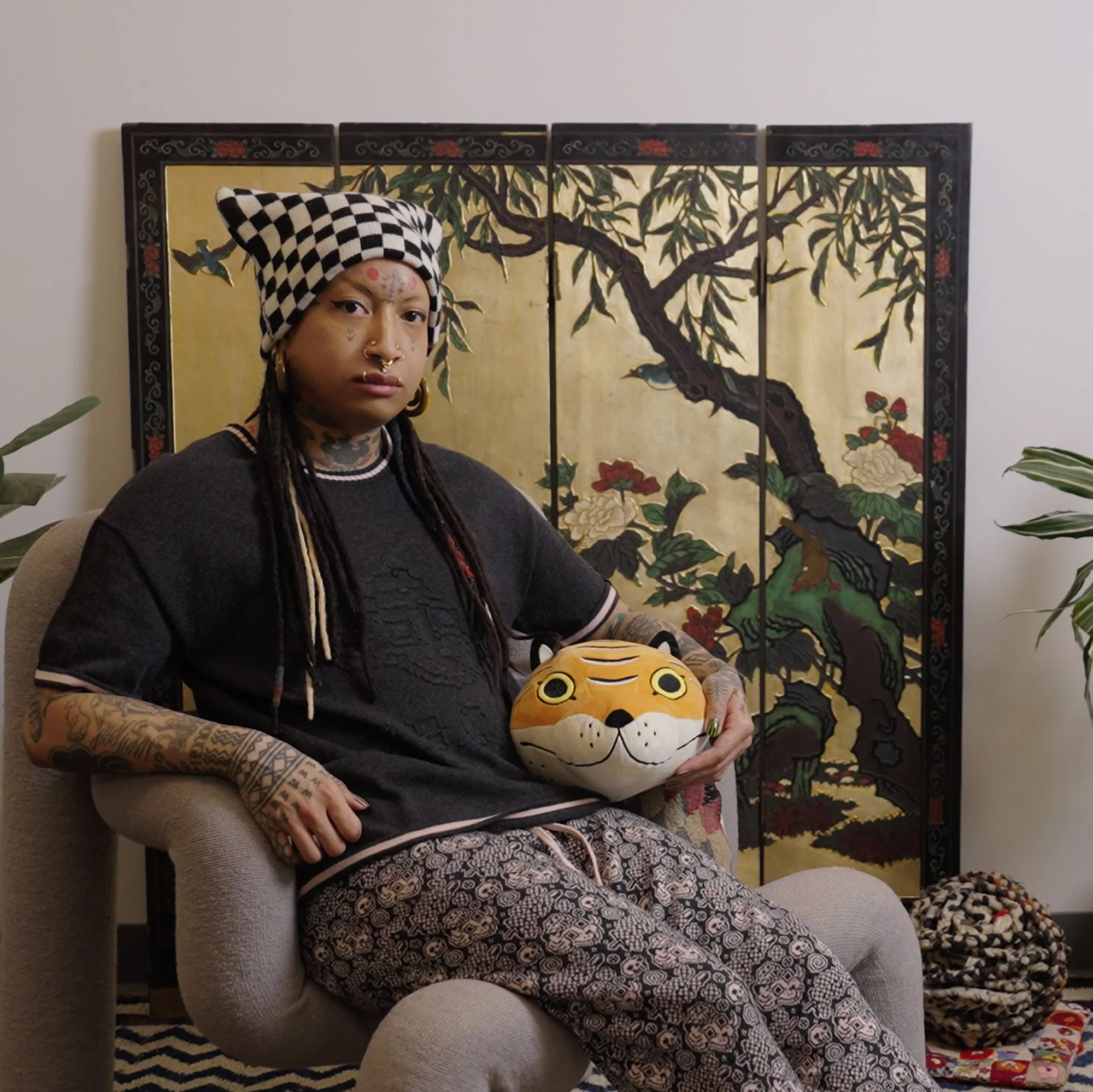
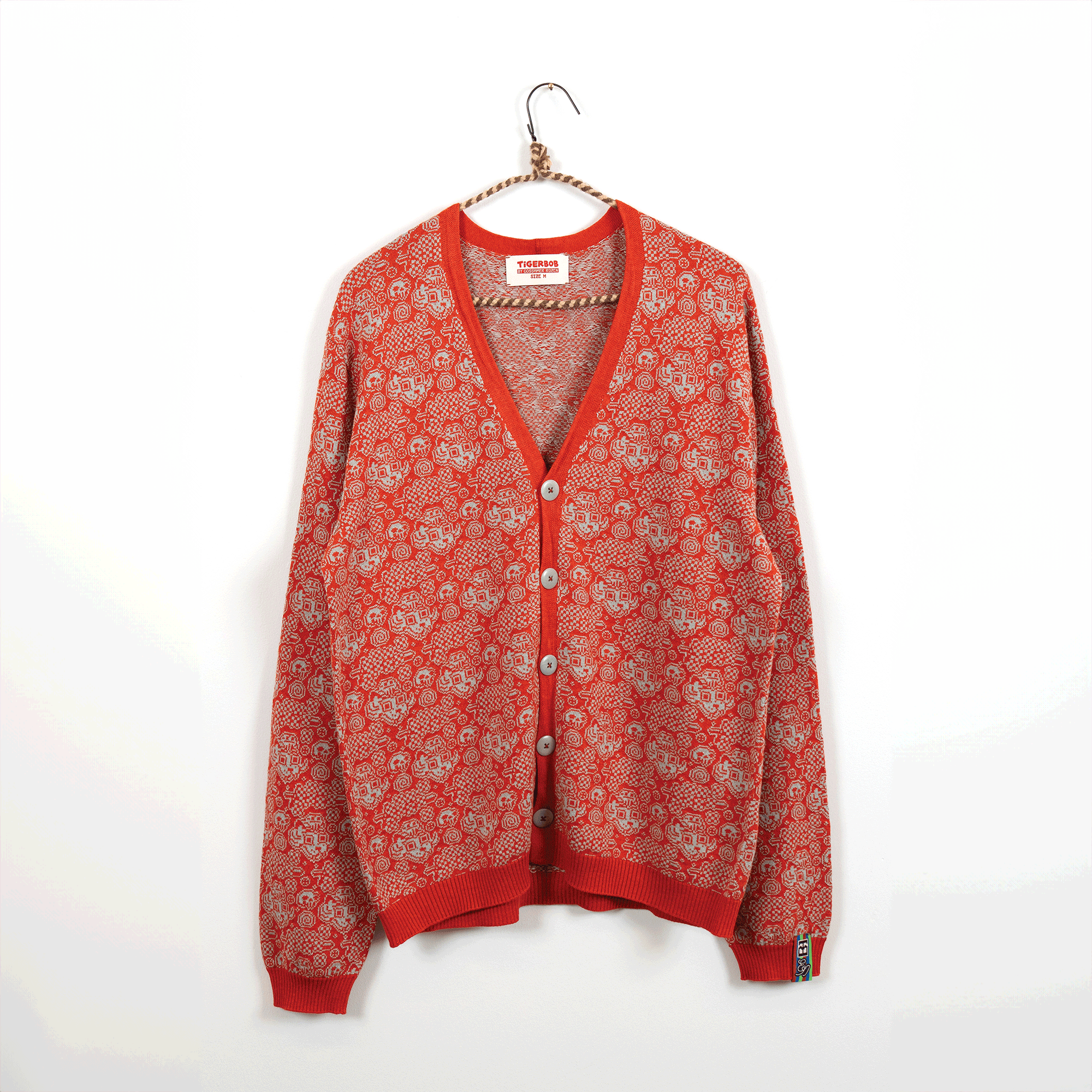
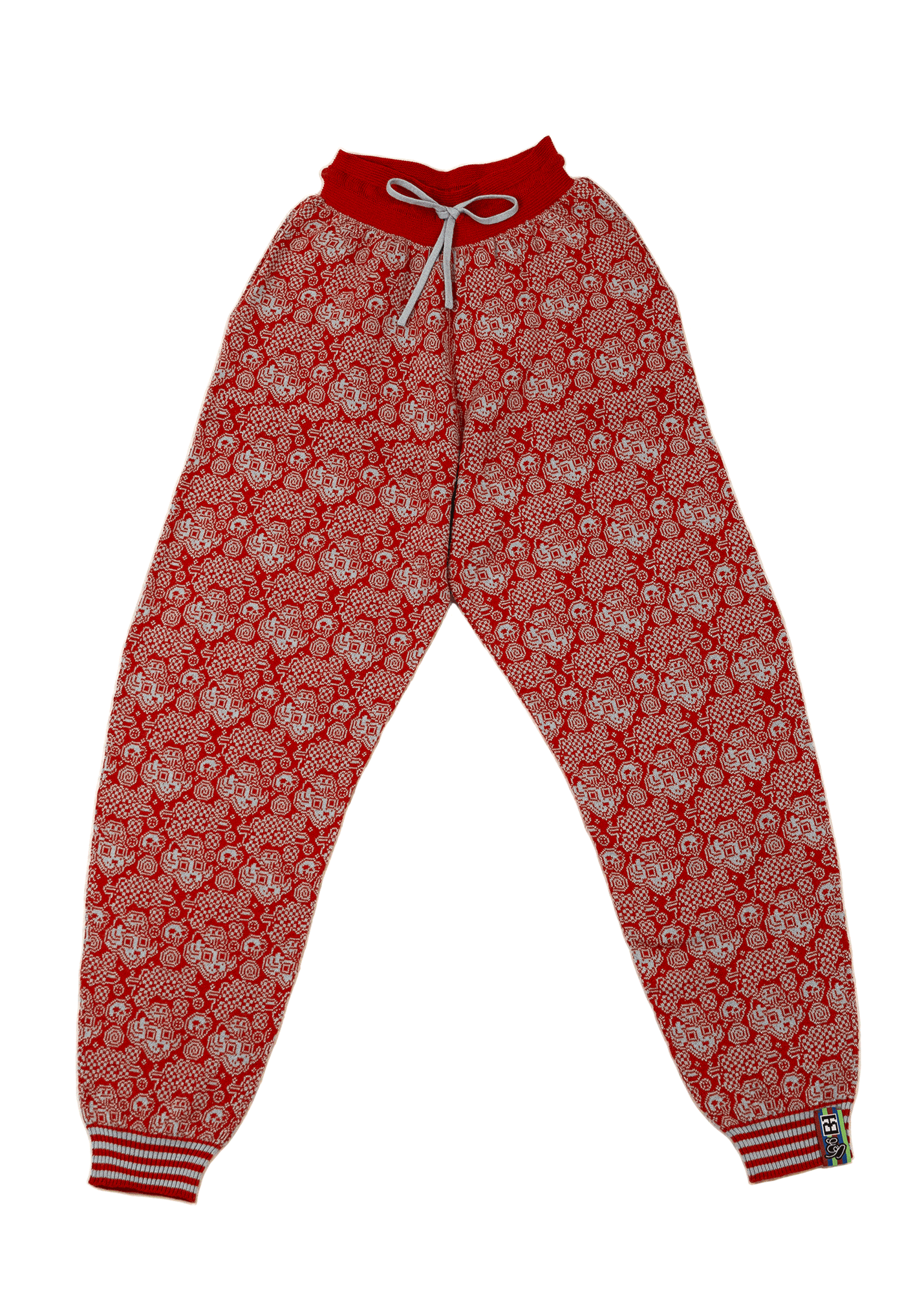
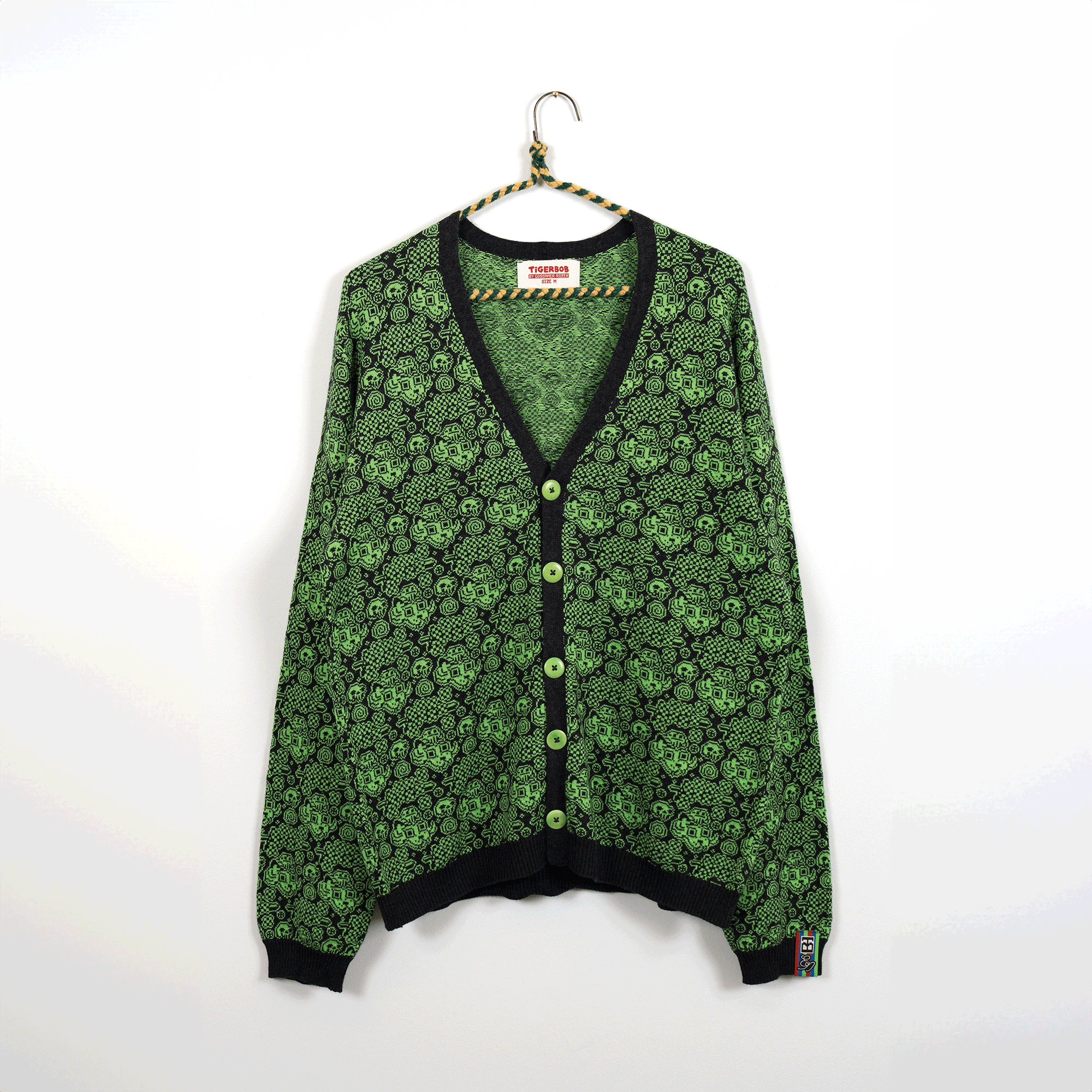
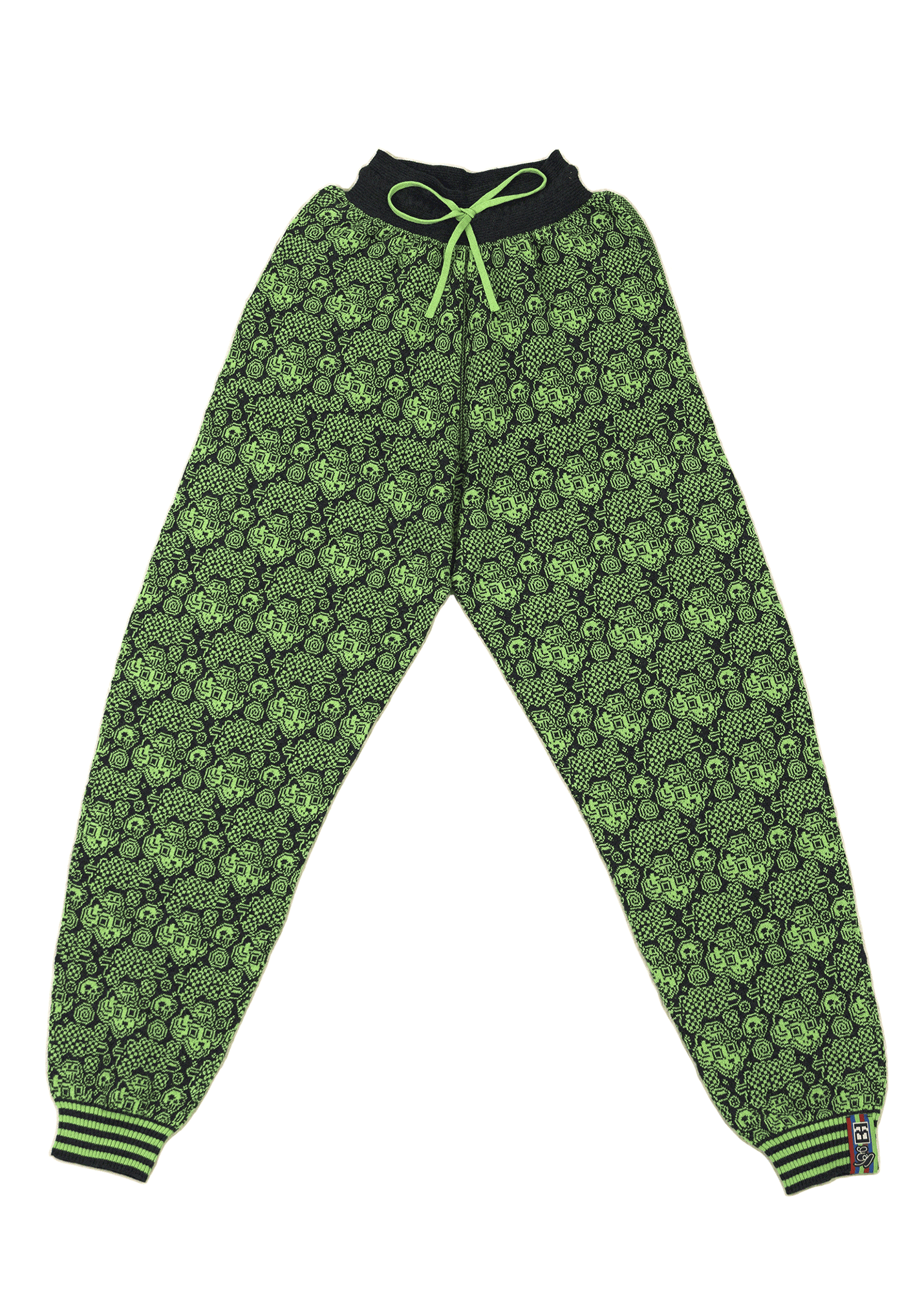
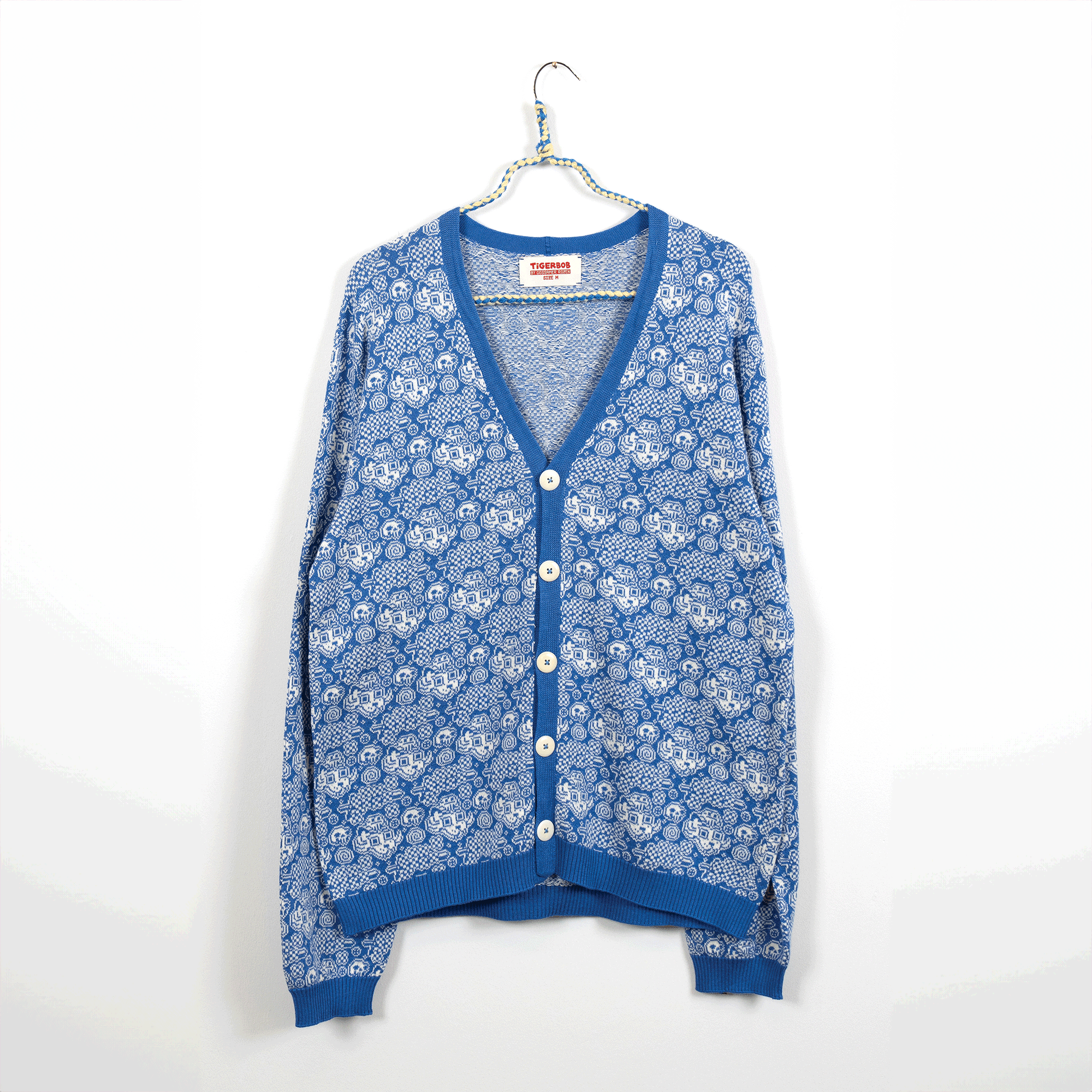
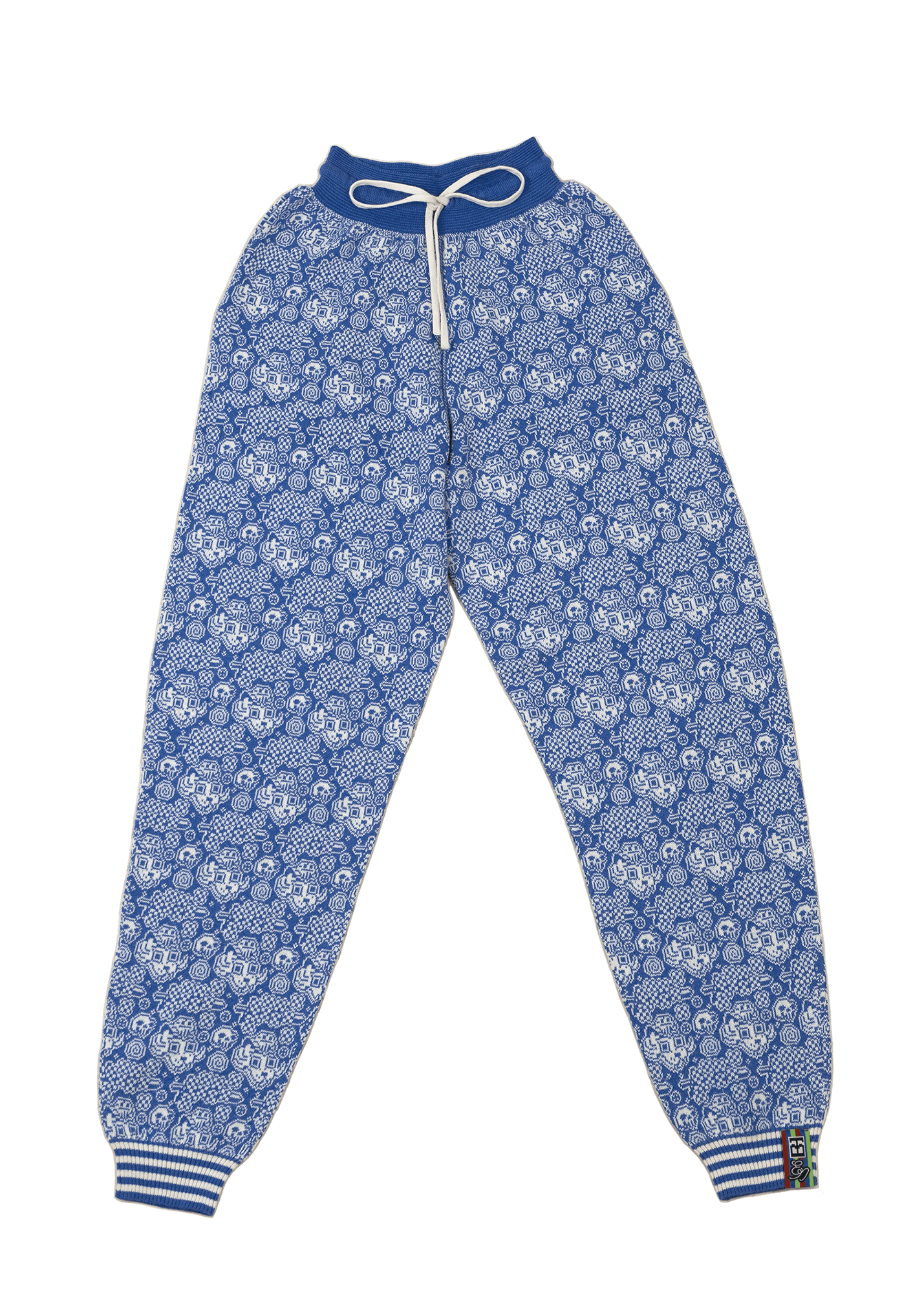
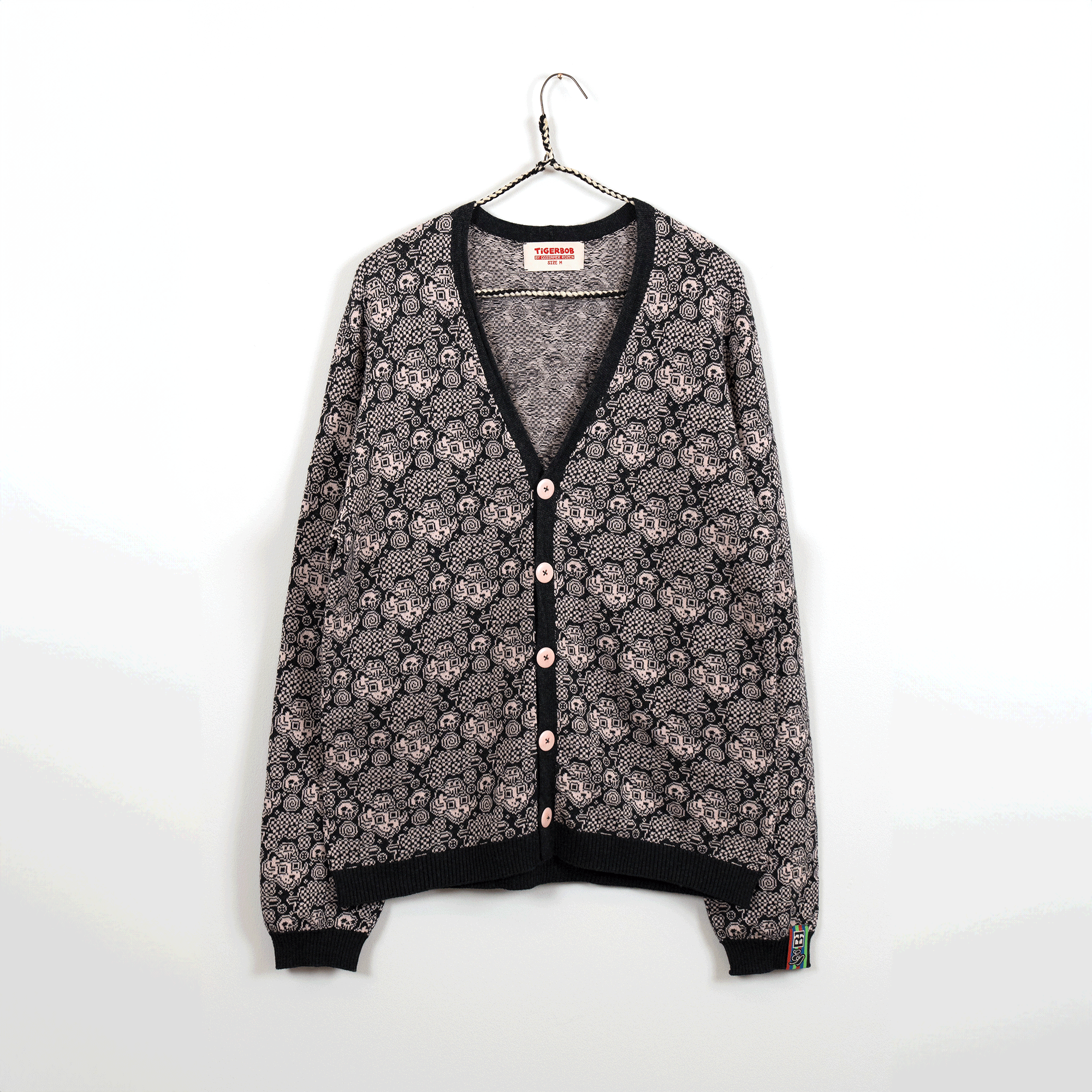
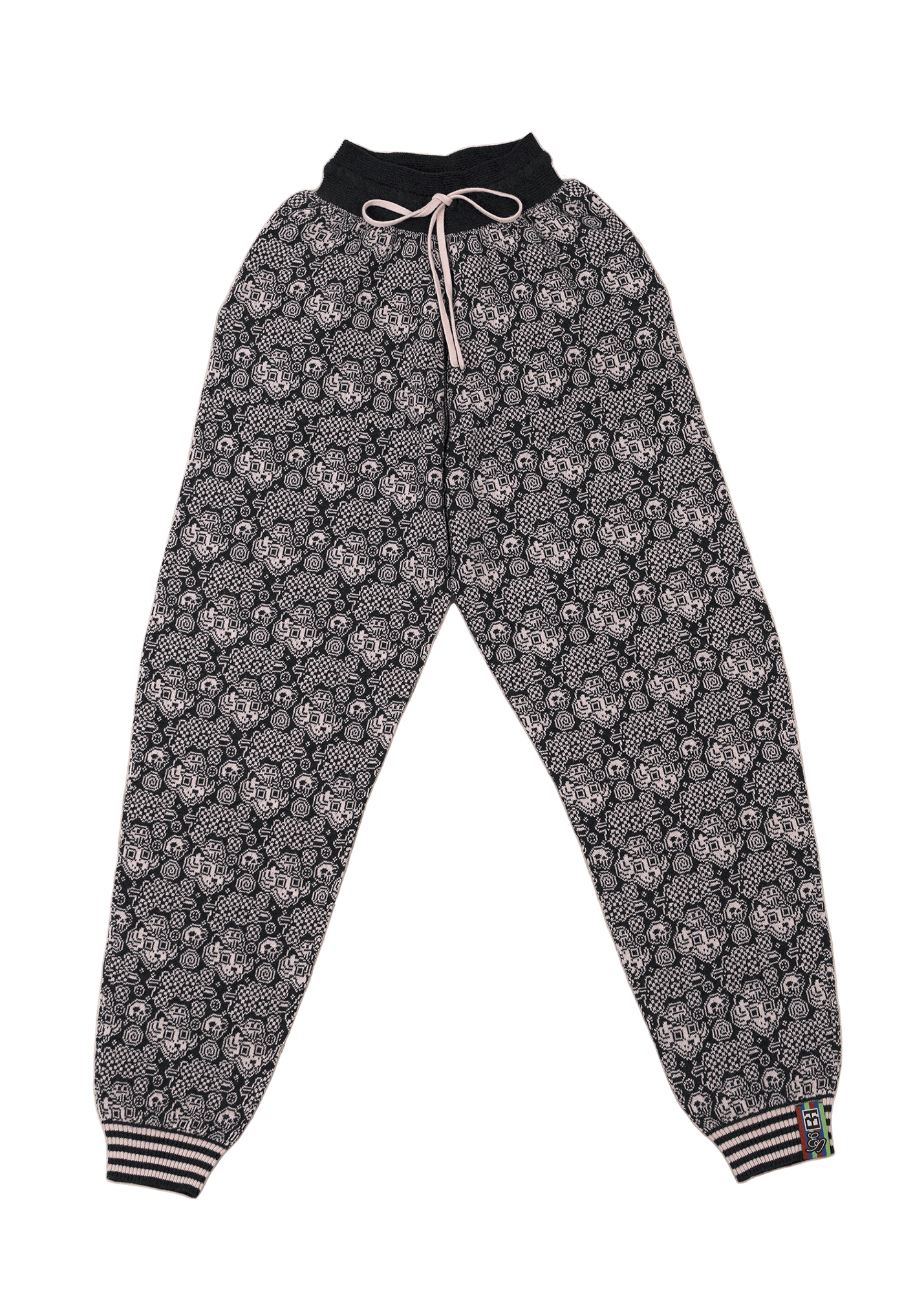
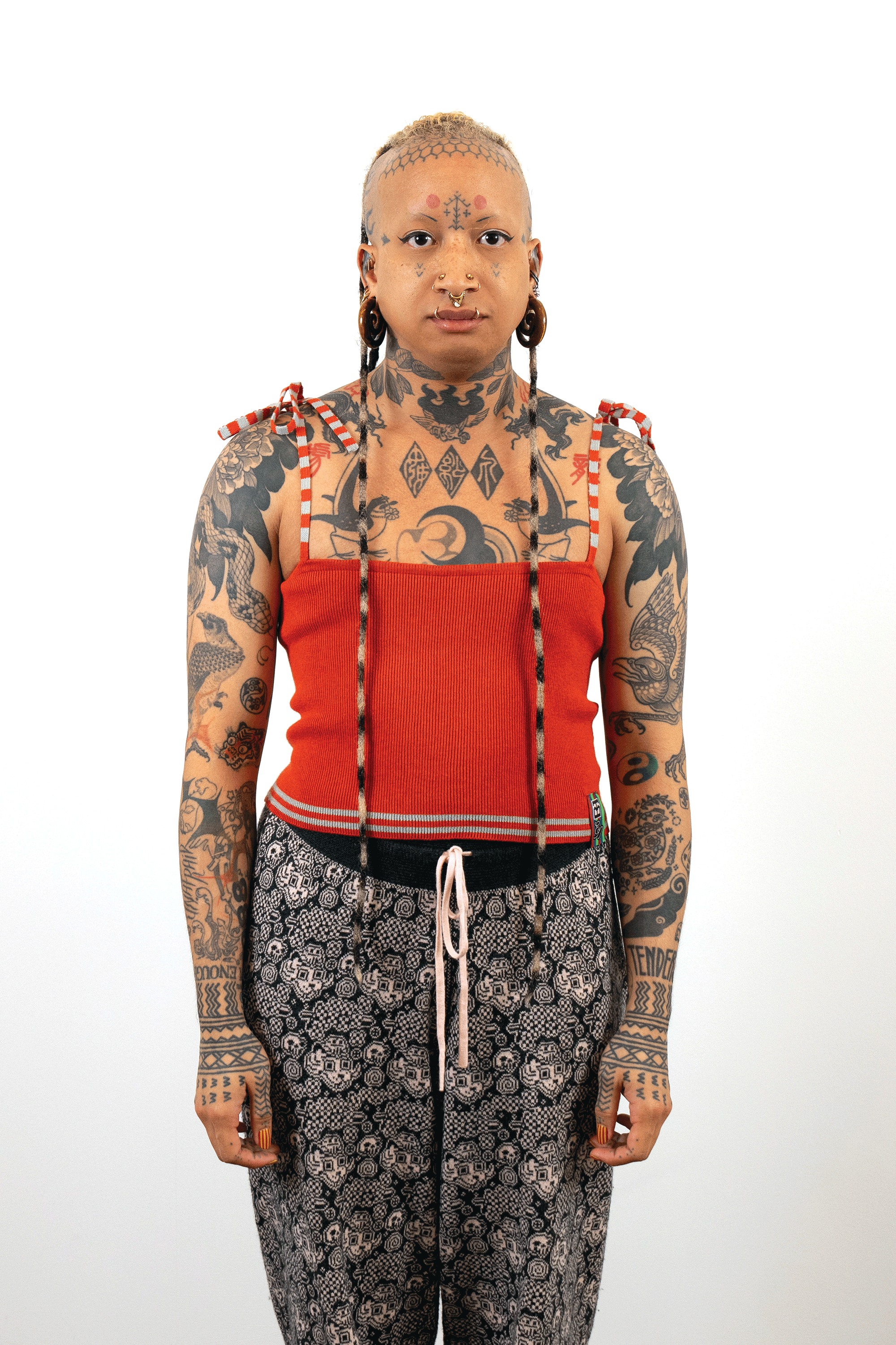
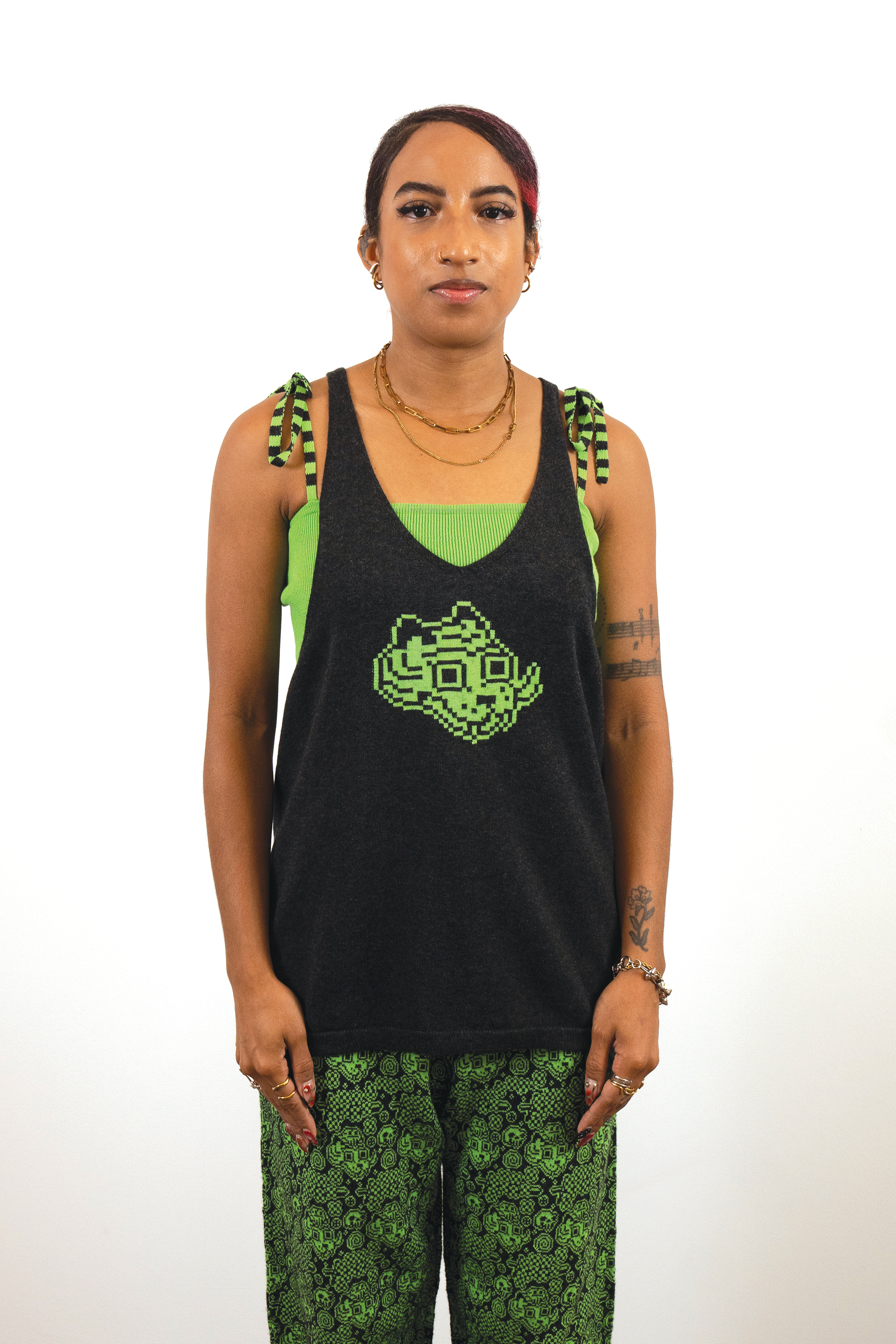
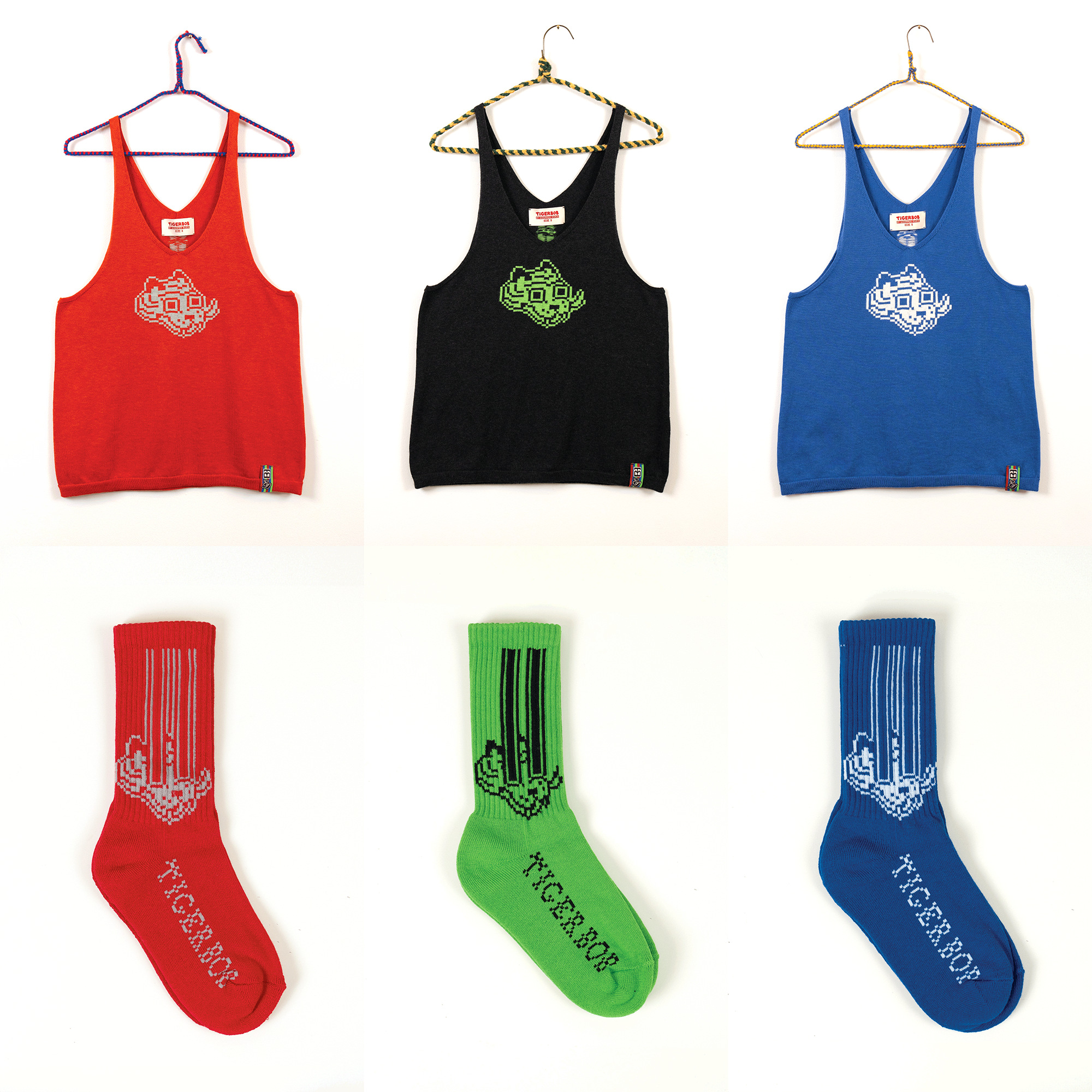
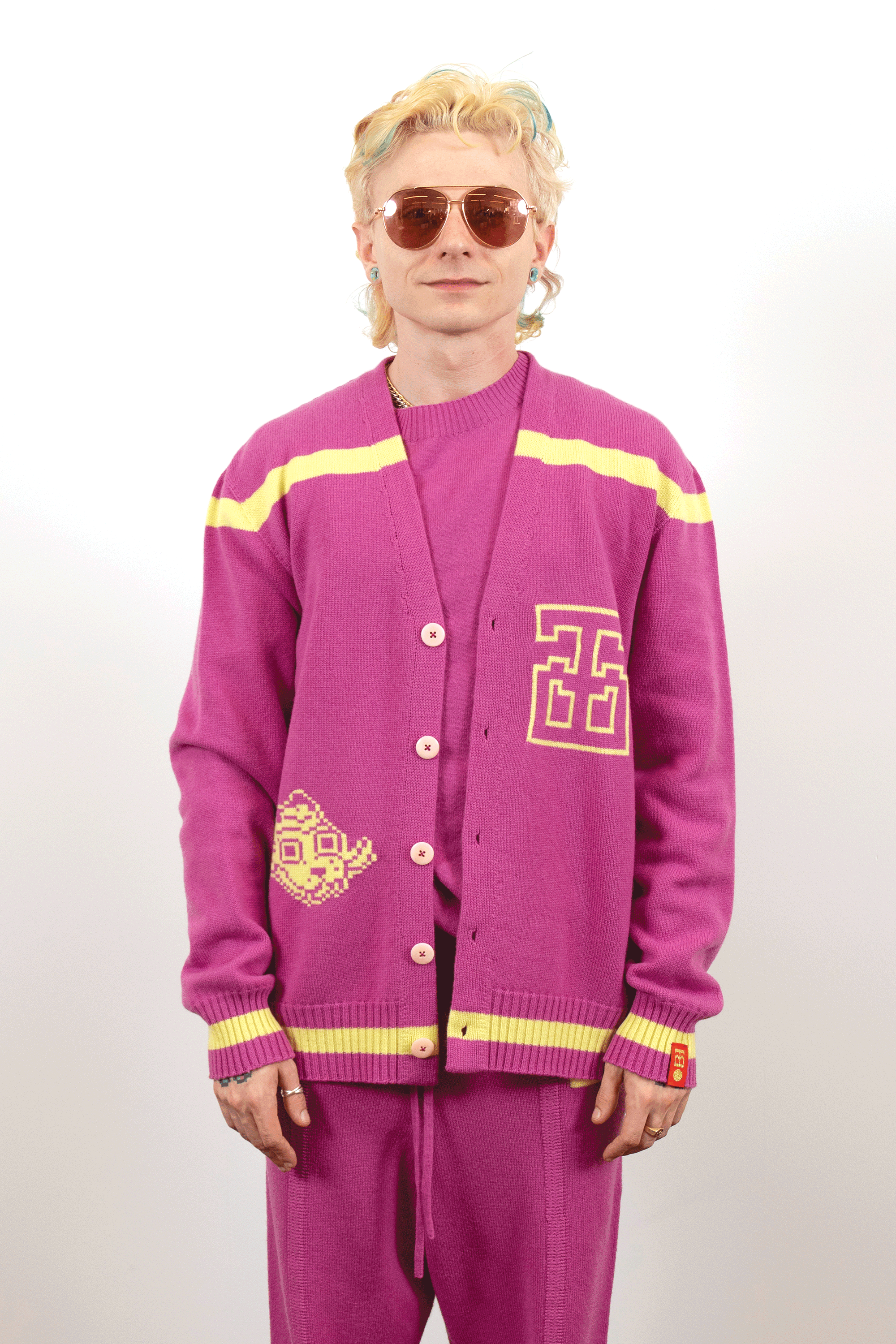
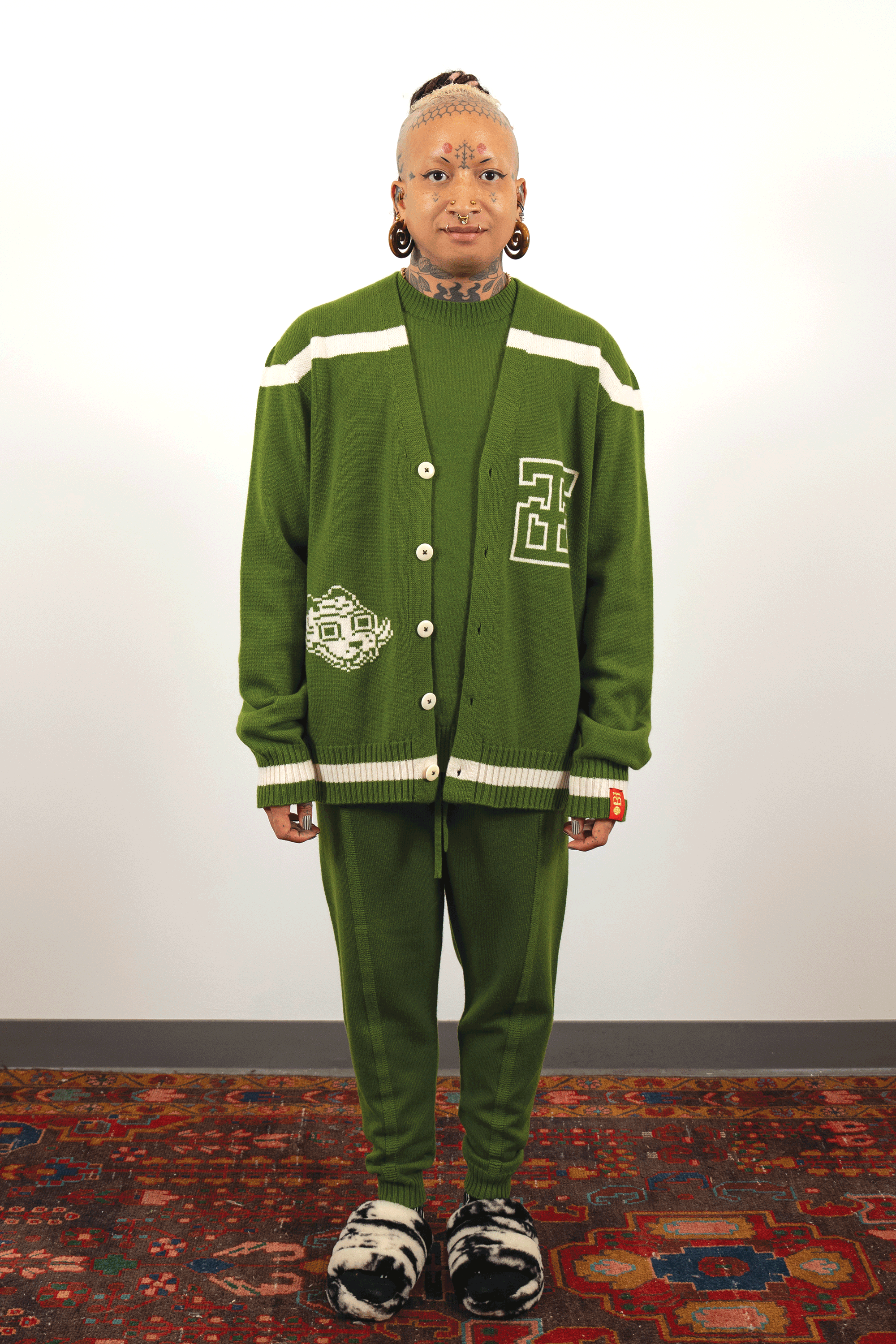
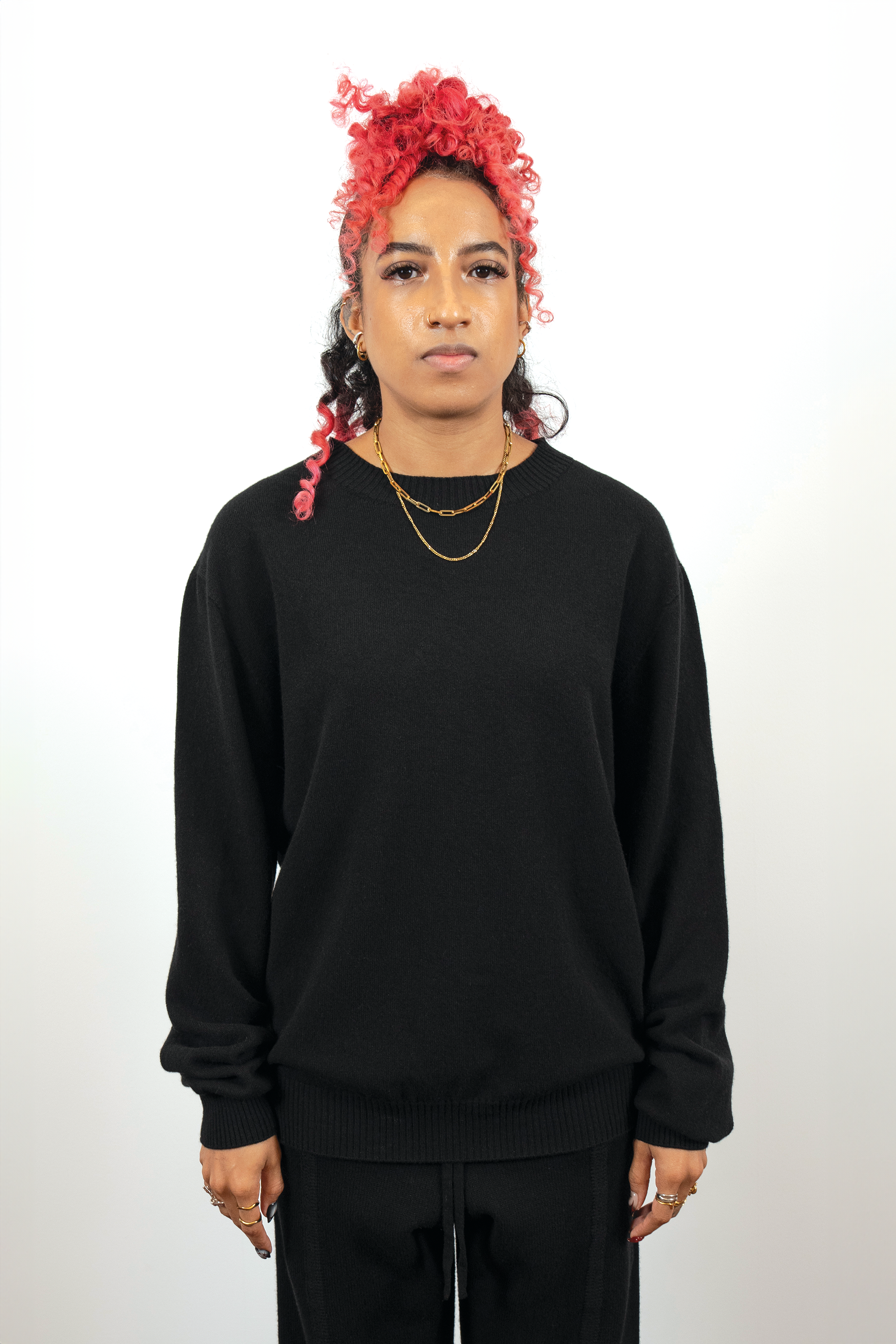
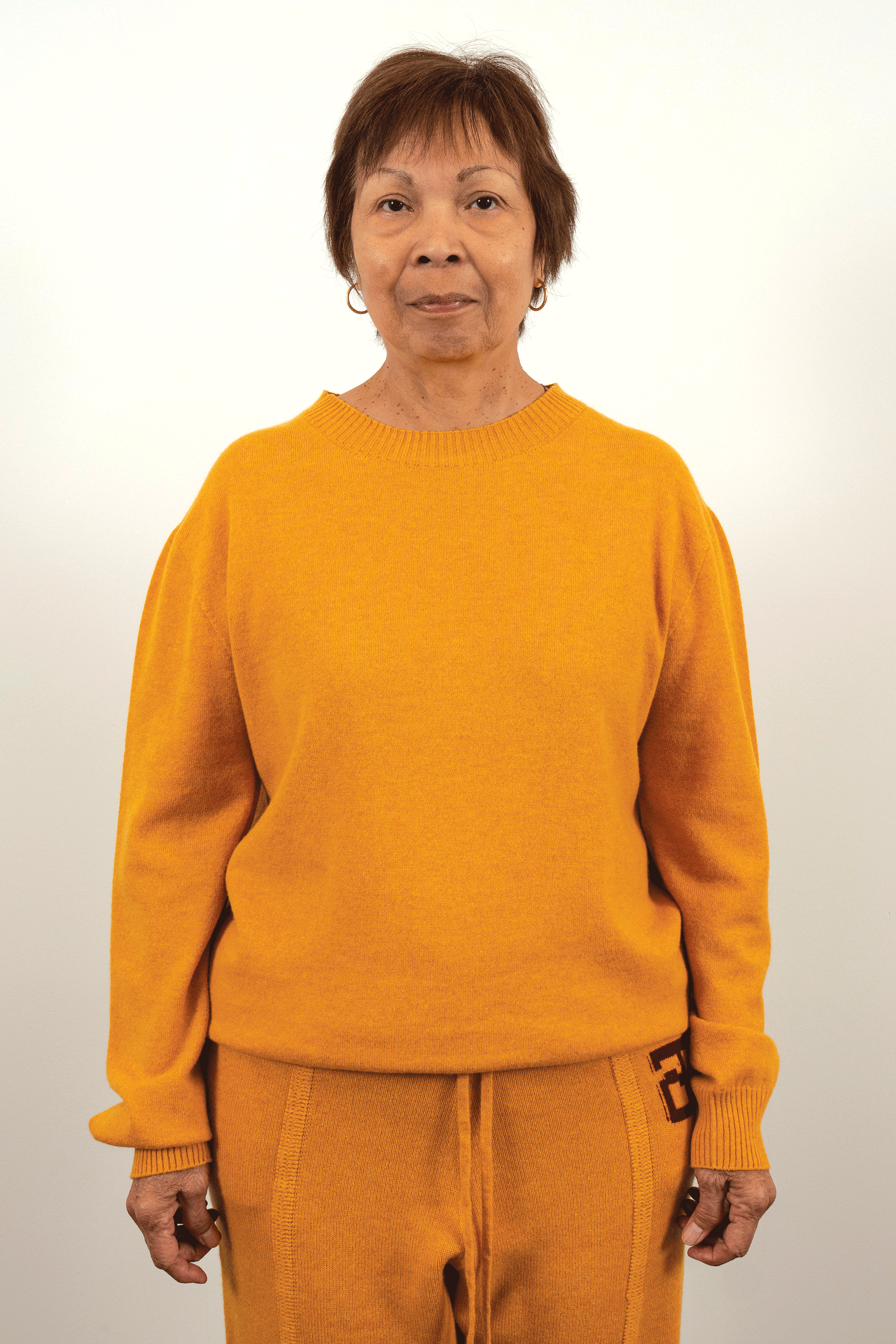
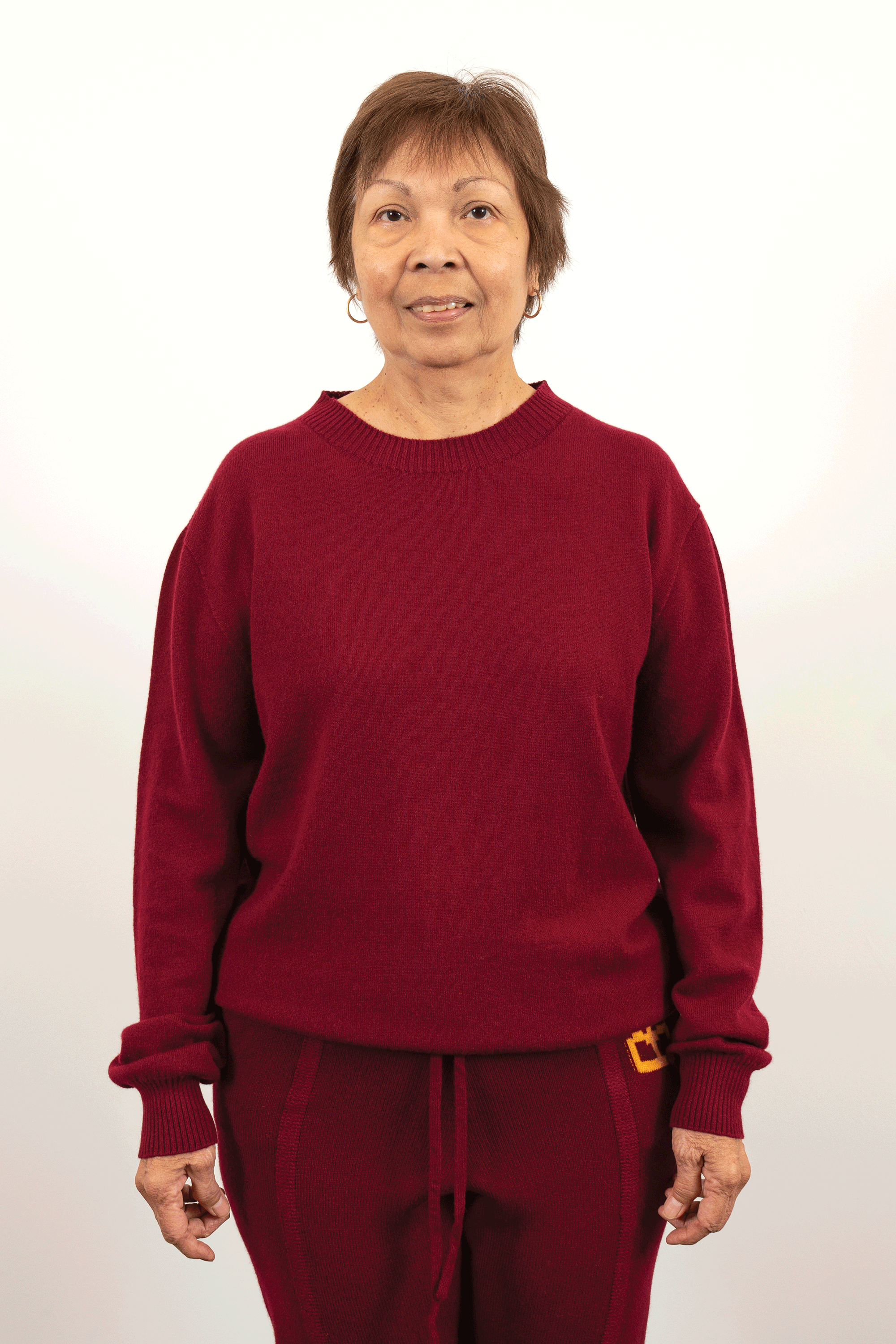
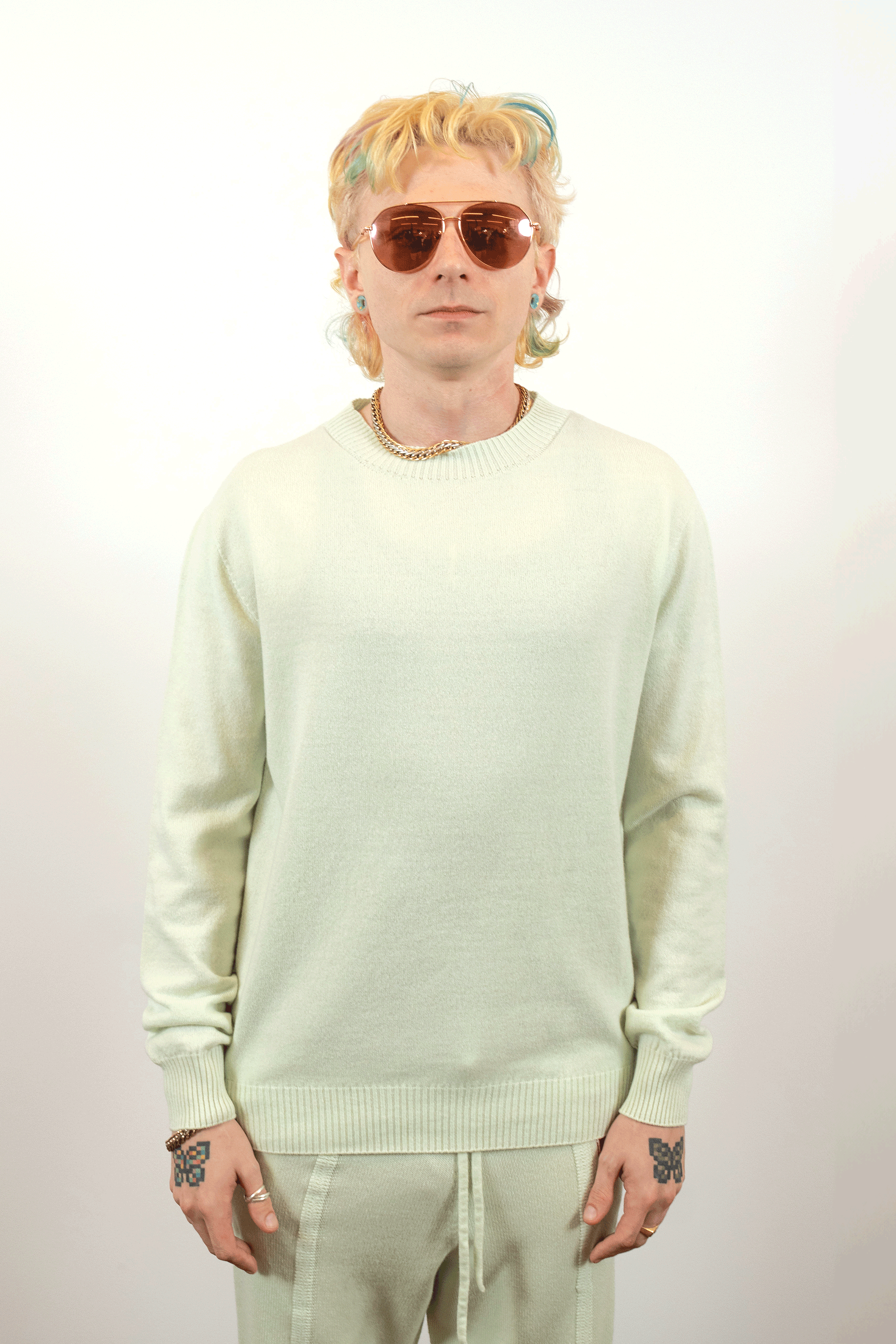
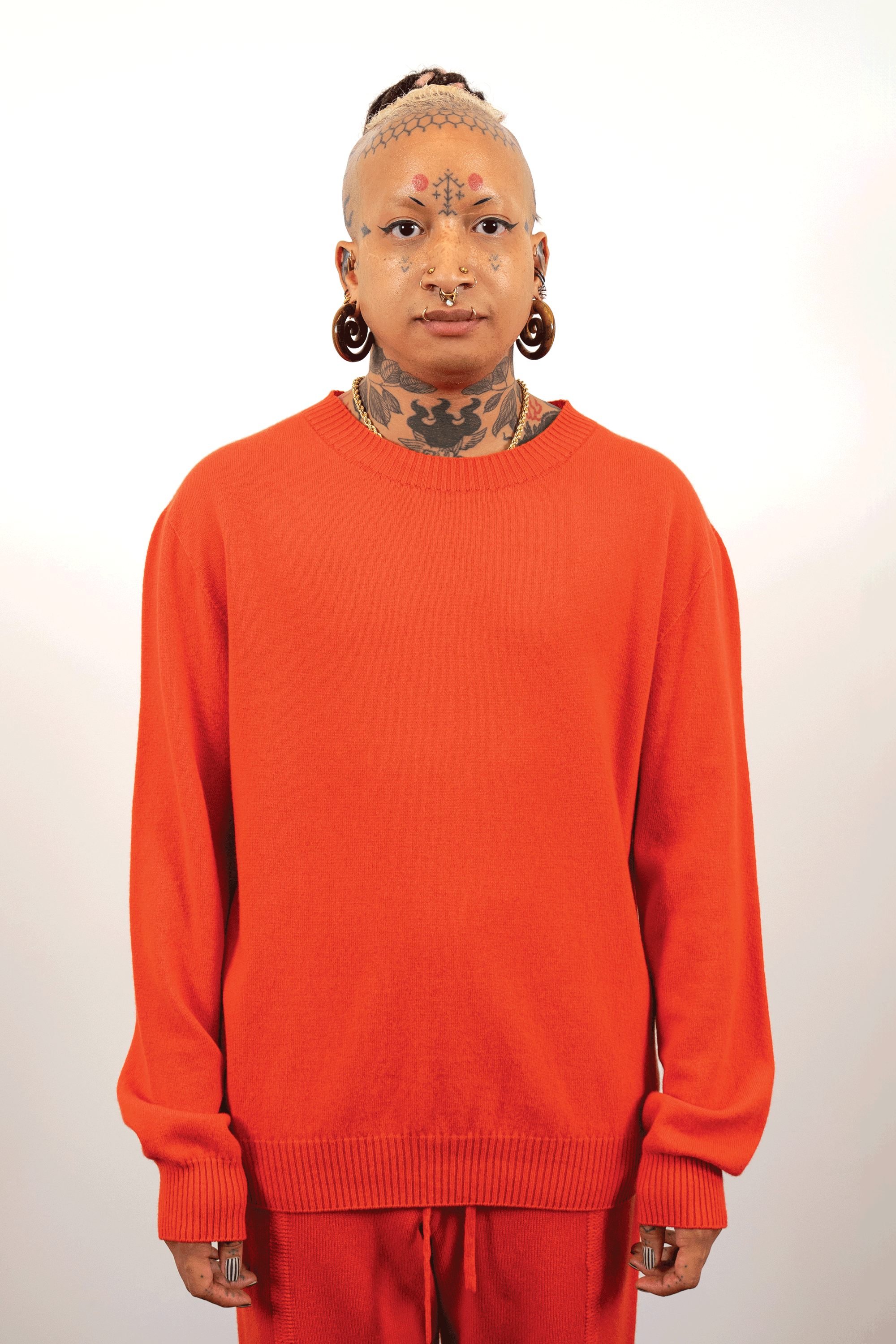
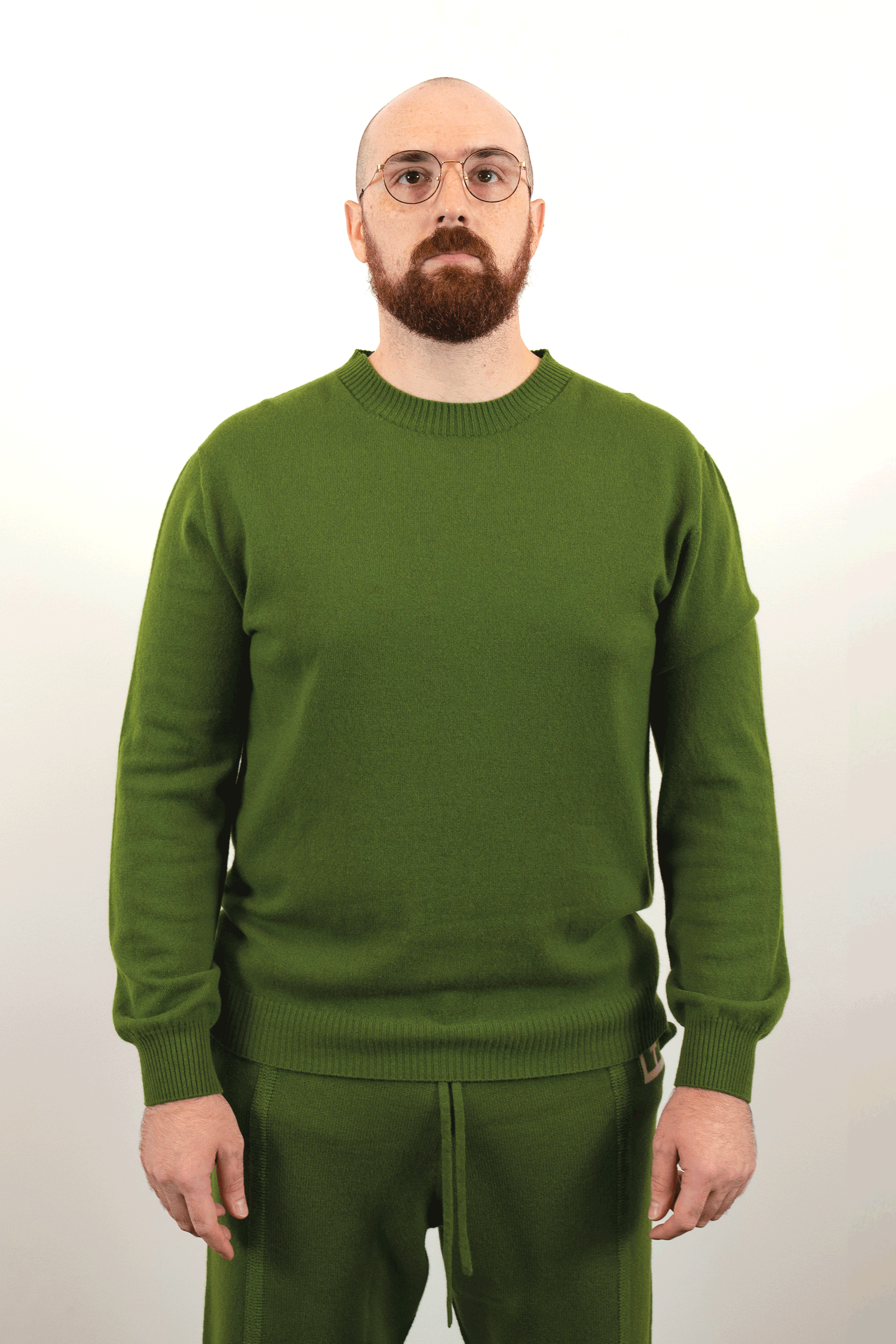
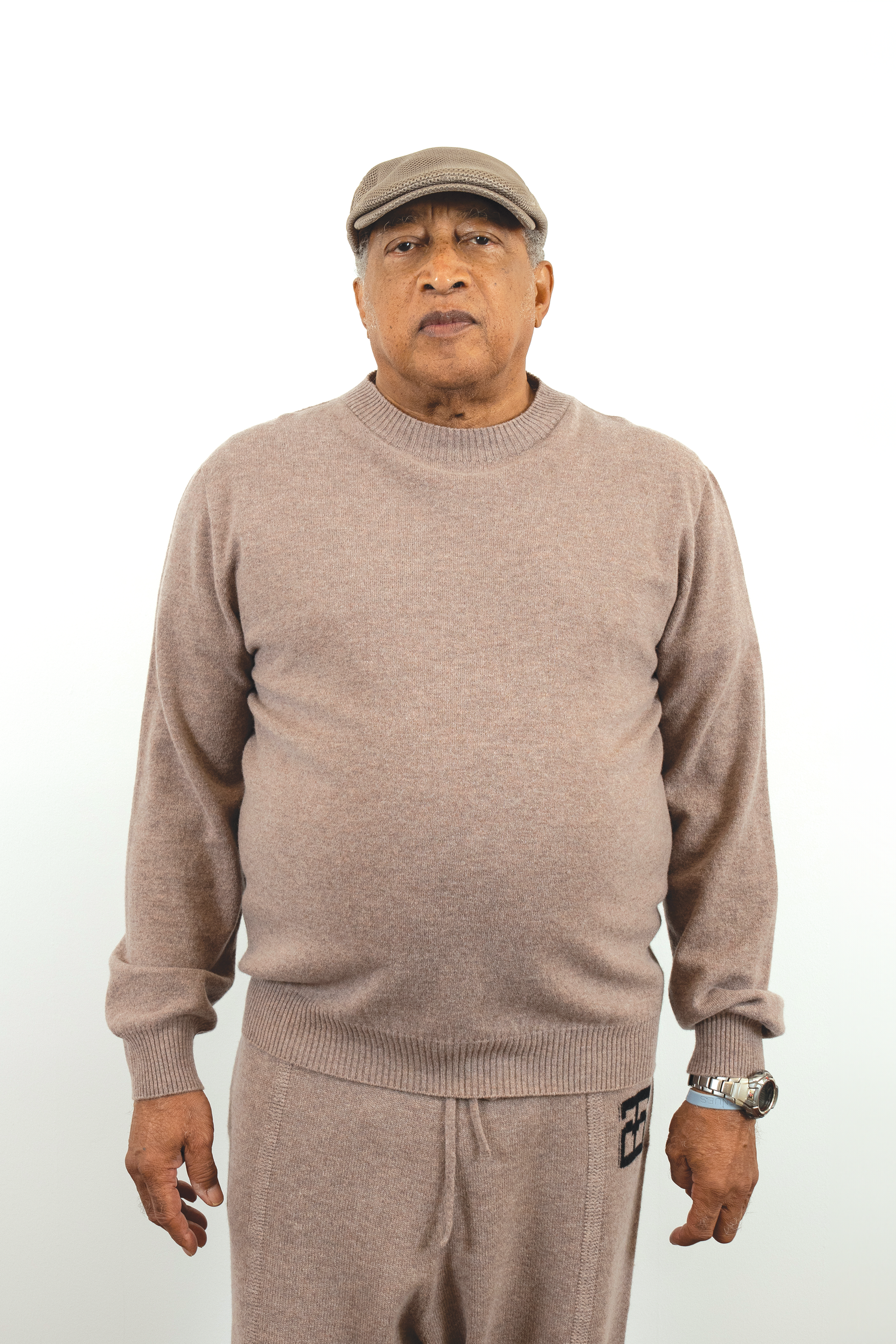
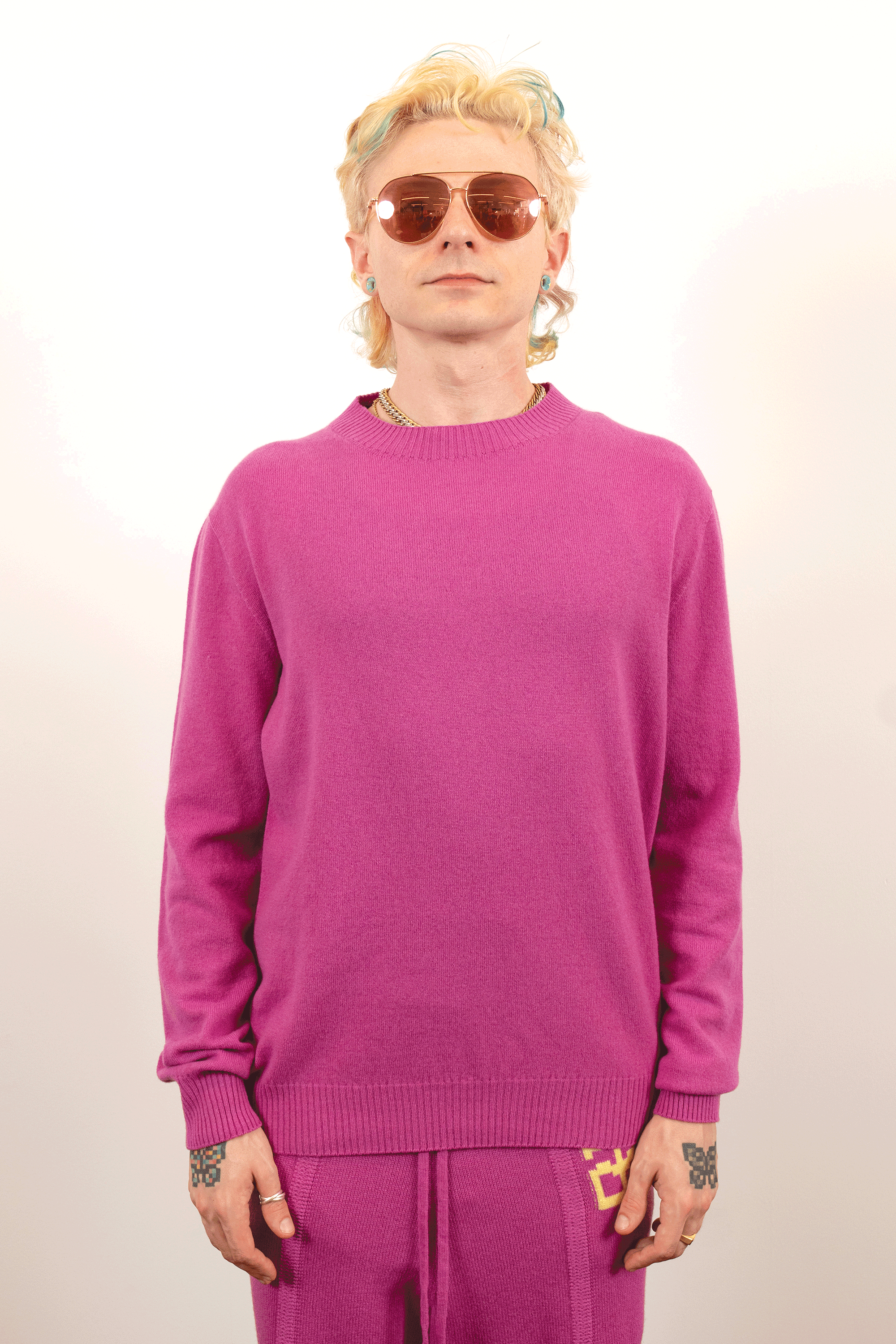
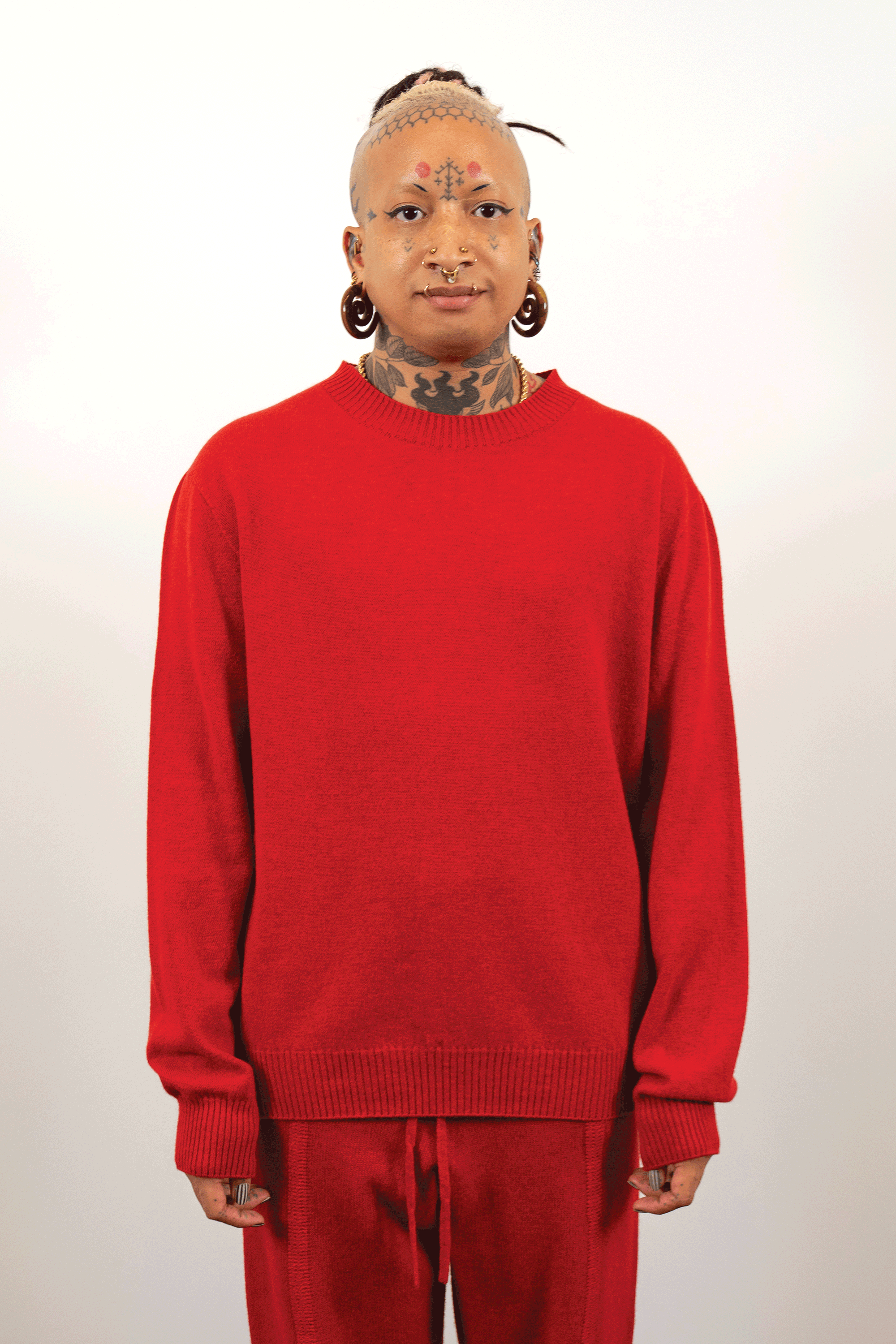
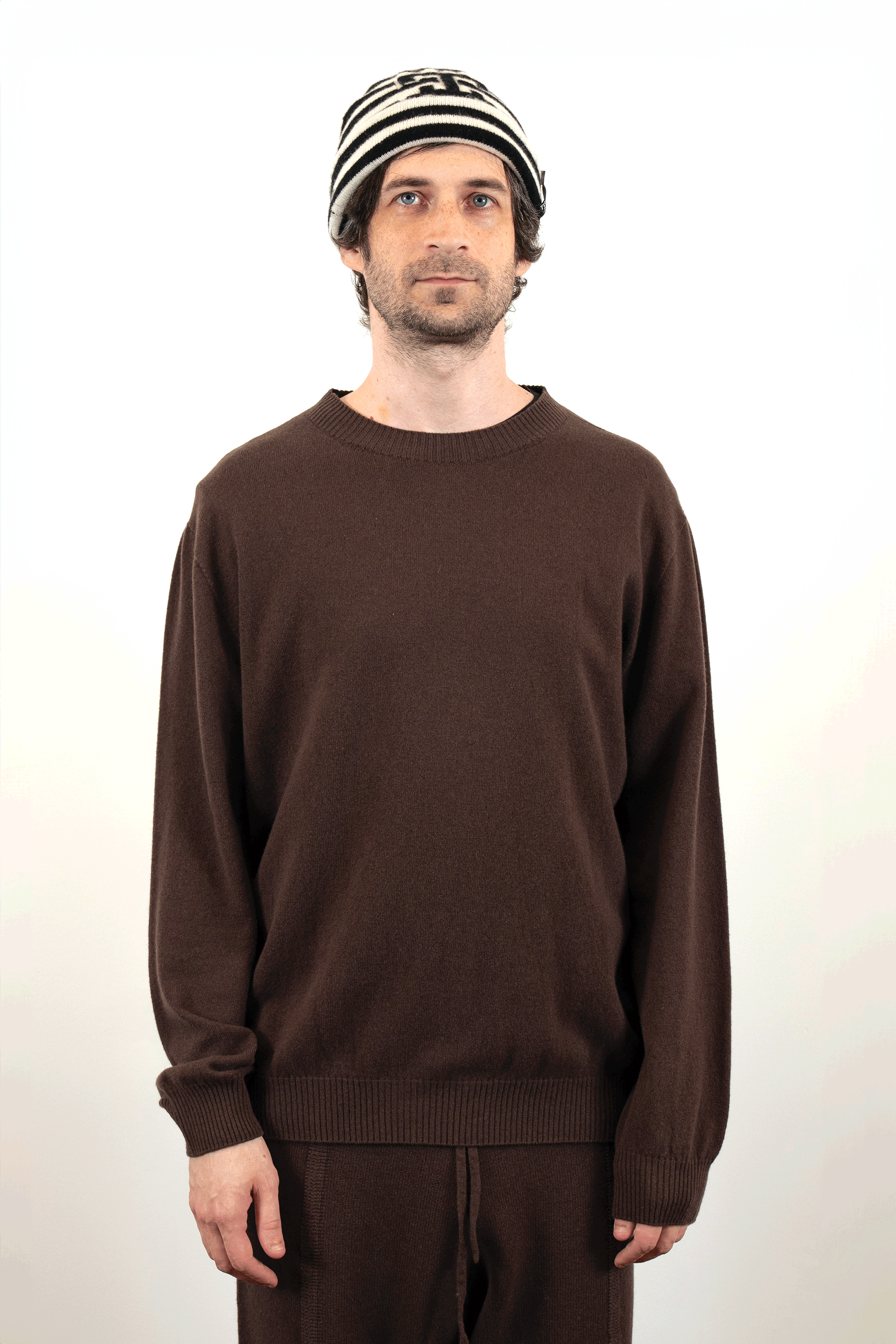
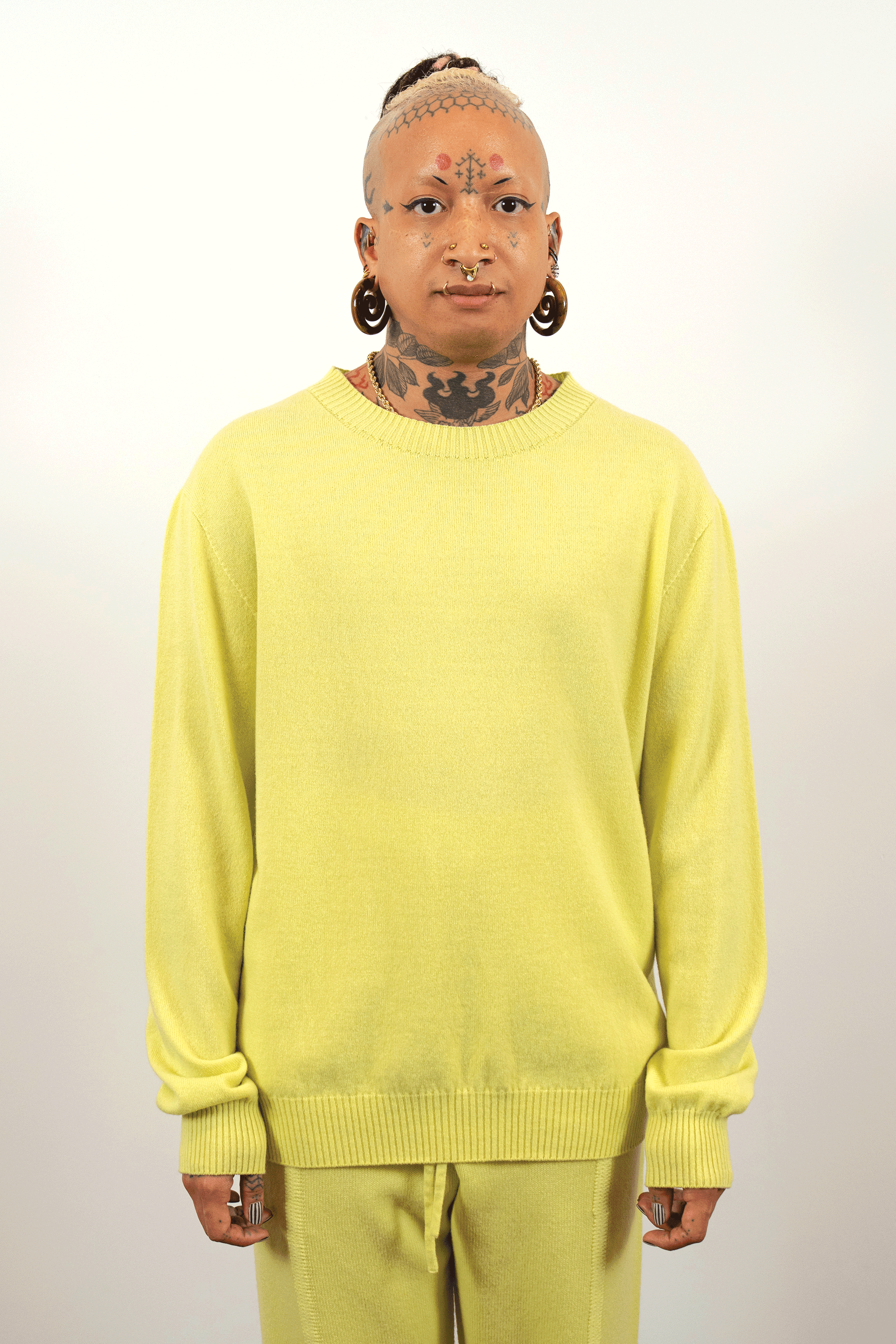
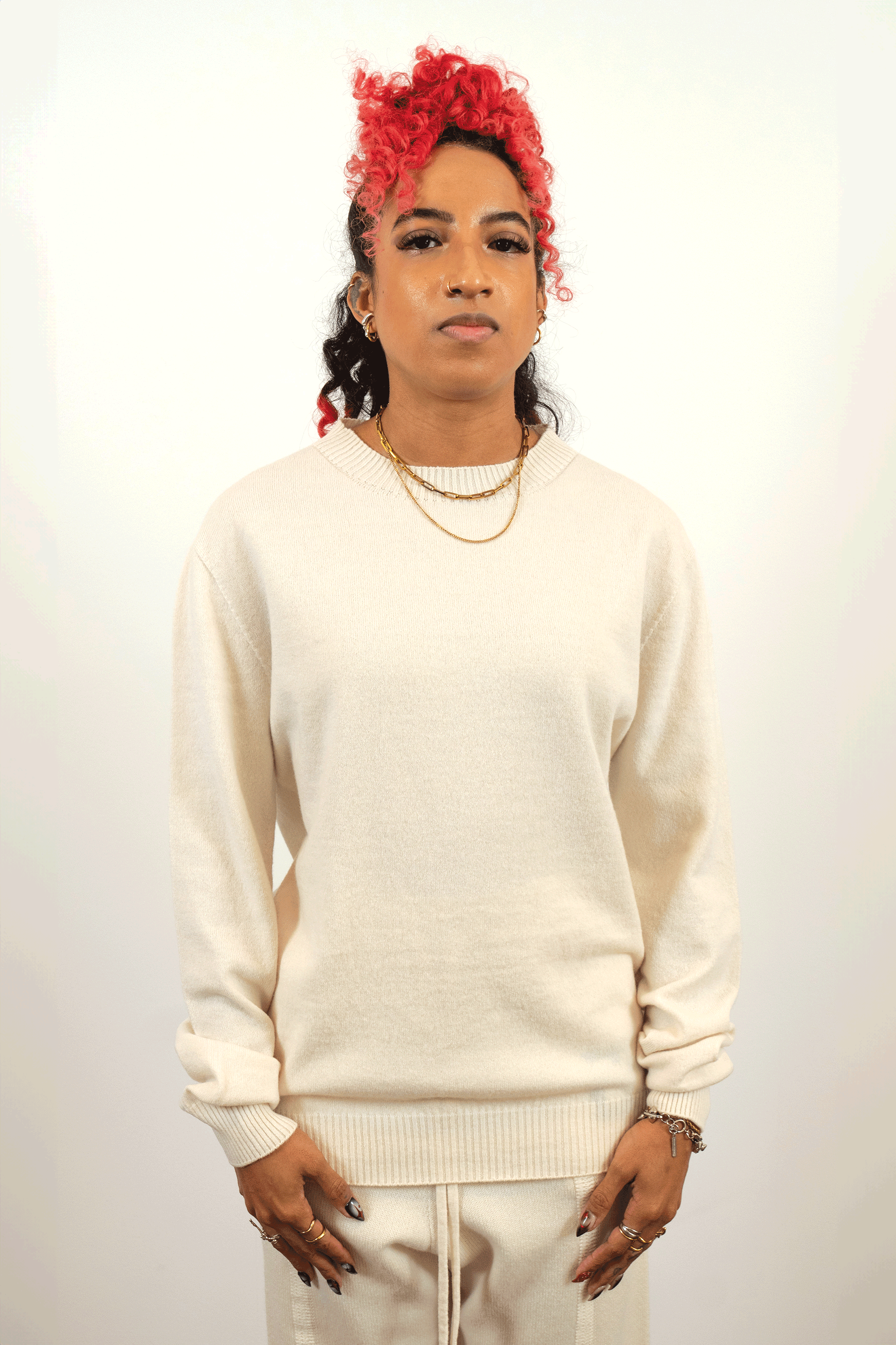
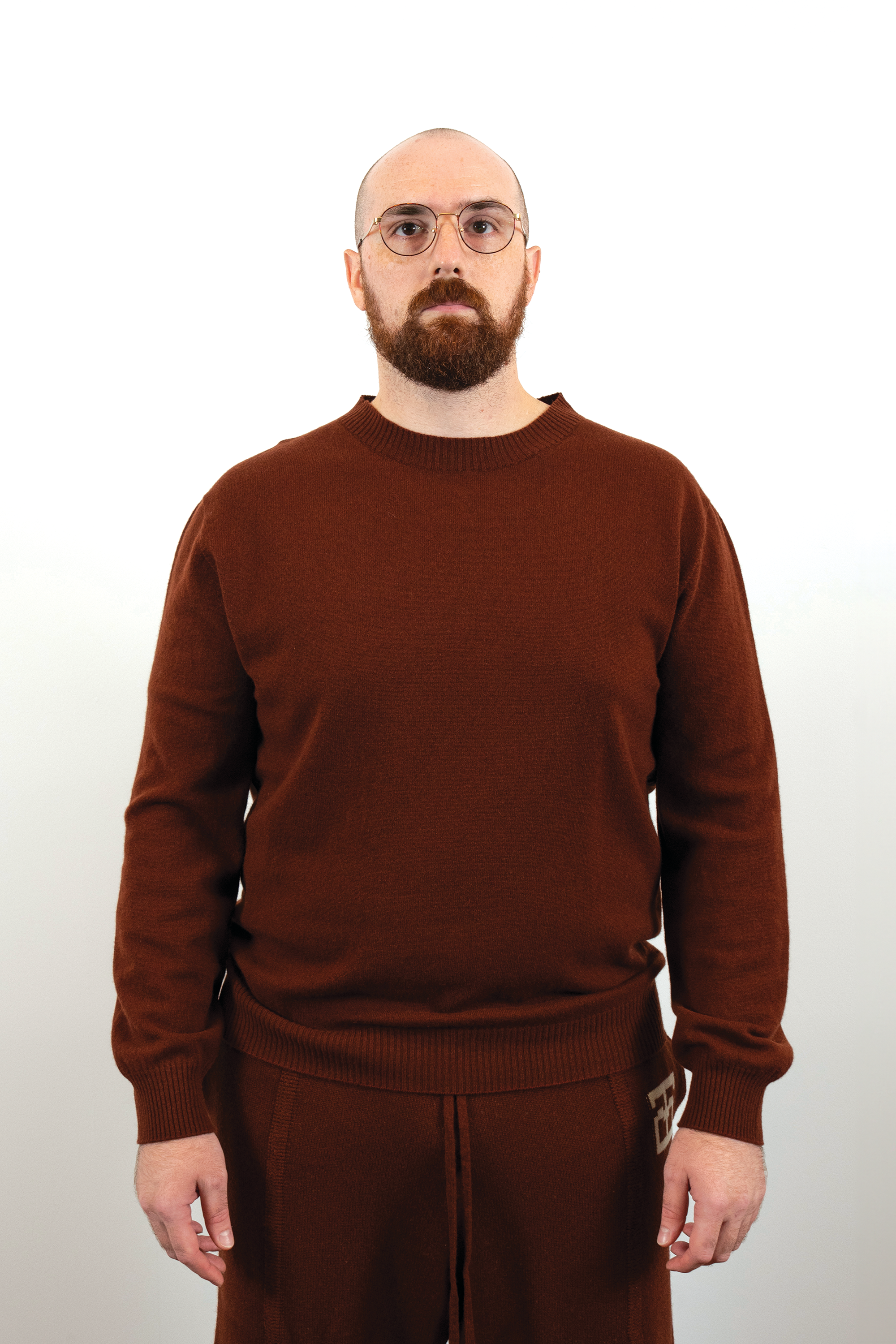
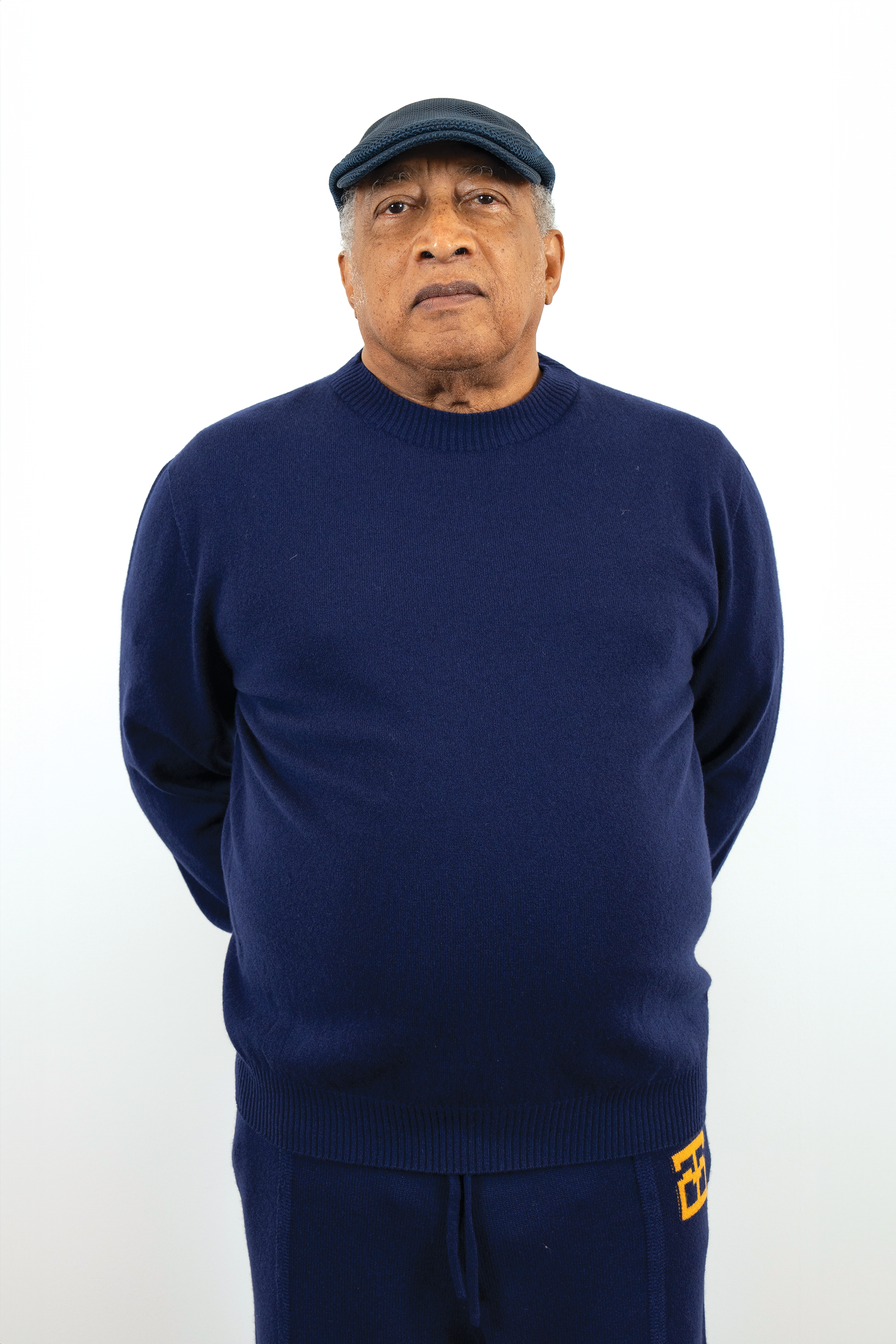
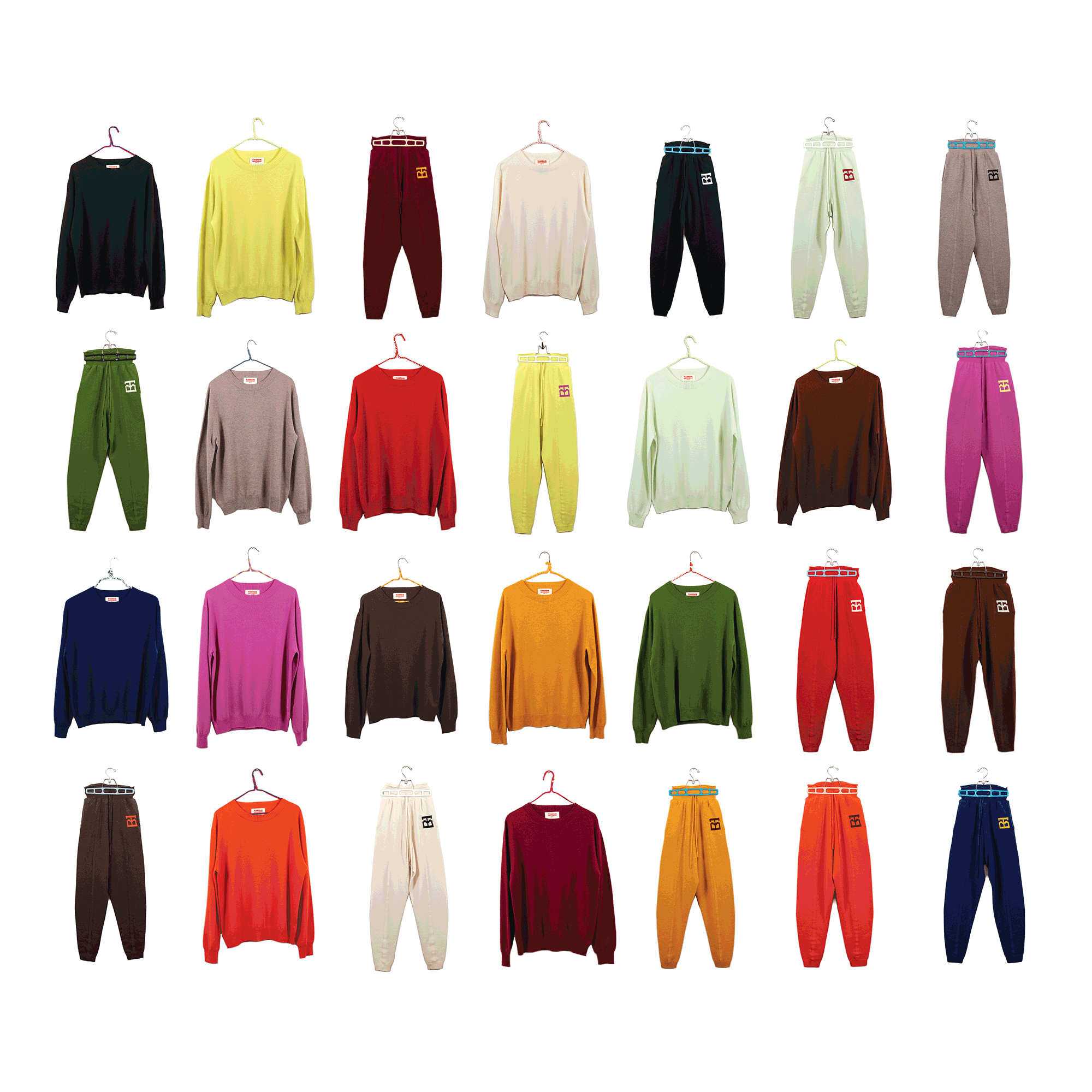
The work is centered around what can be categorized as streetwear and loungewear. Pieces are oversized, boxy, graphic, and covered in striking patterns. I design pieces for layering within the collection or to coexist with your wardrobe. The work is loud, childlike, and playful, but the material and construction is serious and mature. Much of the work can be considered stand-out statement pieces.The brand debut in 2023 with a knitted hoodie, jacquard scarf, and hat in a mid-weight cashmere-merino blend (30/70). In 2024 I experimented with a summer line of knitwear in a lightweight cashmere-cotton blend (15/85) that included cropped tshirts and sleeveless tops. I currently work with a heavier cashmere-cotton blend (48/53) that brings the best of both world with one type of yarn.Stranded-yarn intarsias featuring the Tigerbob tiger head were developed in two colors based on the limitation of the Shima Seiki WHOLEGARMENT knitting machines. All-over jacquard patterning and stripes are signature design elements also based on the two-color limitation on WHOLEGARMENT knitting machines. Learn more about the fashion design process here.Production
The made-to-order line began production in 2022 with Brooklyn, New York-based Tailored Industry. Tailored Industry’s 3D knitting and seamless construction (via Shima Seiki WHOLEGARMENT machines) create virtually zero waste while maintaining the highest quality knitwear on the global market. Knitwear produced by WHOLEGARMENT machines flow across the body unrestricted by seams, allowing for ease of movement and superior draping. The lack of seams also reduces the wear and tear you’d normally expect with a cut-and-sewn garment, that naturally occurs at the weakest points (seams).Tigerbob’s partnership with Tailored Industry exemplifies my commitment to the "buy local" ethos, with practices that honor environmental responsibility, fair labor, and quality craftsmanship produced in Brooklyn which was once a hub for knitwear manufacturing. The made-to-order approach eliminates the need for inventory and storage, producing the exact amount of pieces needed while ensuring exclusivity and rigorous quality control for our low-edition collectible garments.Material
I focus on cashmere yarns because I want my work to be produced from the finest raw materials available. I am not only producing clothes, but I am also designing fabric, and I am careful to source materials that are not only high quality but also are ideal for the products I am producing.I introduced the brand with a 30/70 blend of cashmere/merino for fall and winter in 2023. The following year, I introduced a 15/85 cashmere/cotton blend for spring and summer months. For 2025 collections and beyond, I am working on a 48/53 cashmere/cotton blend, which combines the best of both worlds.Tools for Creative Freedom
Most knitwear is manufactured with flat bed machines, where each piece of the garment is produced separately and later sewn, or seamed, together. Because each garment must be constructed in one piece, Shima Seiki WHOLEGARMENT machines are limited in color work design techniques. I am limited to two or three colors at most, and jacquard or intarsia designs must be produced with the stranded yarn (fair isle) technique. This involves complex calculations with tension between floated yarns and knit in stitches. The limitations presented here have informed my textile designs and therefore the finished aesthetic presented in the work.Background
Clothing has always been a huge marker of my identity. I wore a uniform for 9 years during Catholic elementary and middle school. I had the agency to create my own identity as a teenager, and this opened a pandora’s box of complex internal relationships with my heritage, upbringing, and who I desired to become. From the clothes I wear, the color and shape of my hair, the choice of tattoos on my body, to the items in my home, these seemingly small choices make a huge impact on how I provide comfort for myself and how I invite that same comfort and care to others.Perhaps as a direct defiance to my time during Catholic school, the apparel line is heavily inspired by my experience shopping at Hot Topic as a teenager in the early 2000s. My favorite pieces from the alternative fashion scene included band graphics on black tshirts, striped long sleeves, bondage pants by Tripp NYC and black hoodies. Still wearing mostly black clothes, I discovered the work of Comme de Garçons, Rick Owens, and Junya Watanabe in the early 2010s. Around this time, I became invested in collecting vintage textiles for inspiration; notably: American jacquard quilts, Pakistani Ralli quilts, Japanese boro & tsutsugaki textiles, French verdant tapestries. This exploration started to bring color into my wardrobe. In 2019, designers Bode and Mia Vesper inspired me with their upcycling of vintage textiles, and Nong Rak and Patrick Carroll inspired me by their self-taught adventures in knitwear and fashion.Learn more about the background of my visual language here.The Tigerbob made-to-order fashion line is preceded by the Gossamer Rozen line of upcycled clothes. Debut and sold out in 2020, this collection featured boxy tshirts, crop tops and jackets made from vintage quilt tops hand-sewn and finished by me in my studio.Further Reading
Check out this blog post for my initial ideas surrounding the fashion line and a list of inspirations.MACHINE KNITTING - My background and purpose for using this process in my work.GRID INPUTS - A detailed description of the invisible charts necessary to construct the artwork.VISUAL LANGUAGE - A mostly complete description and history about the style of the artwork.FIBERS (2014-2024) - A selection of fiber art preceding knit explorations created for Tigerbob.DESIGN & PROCESS: Review the DESIGN: TEXTILES & APPAREL section of this page for a behind-the-scenes look.2025
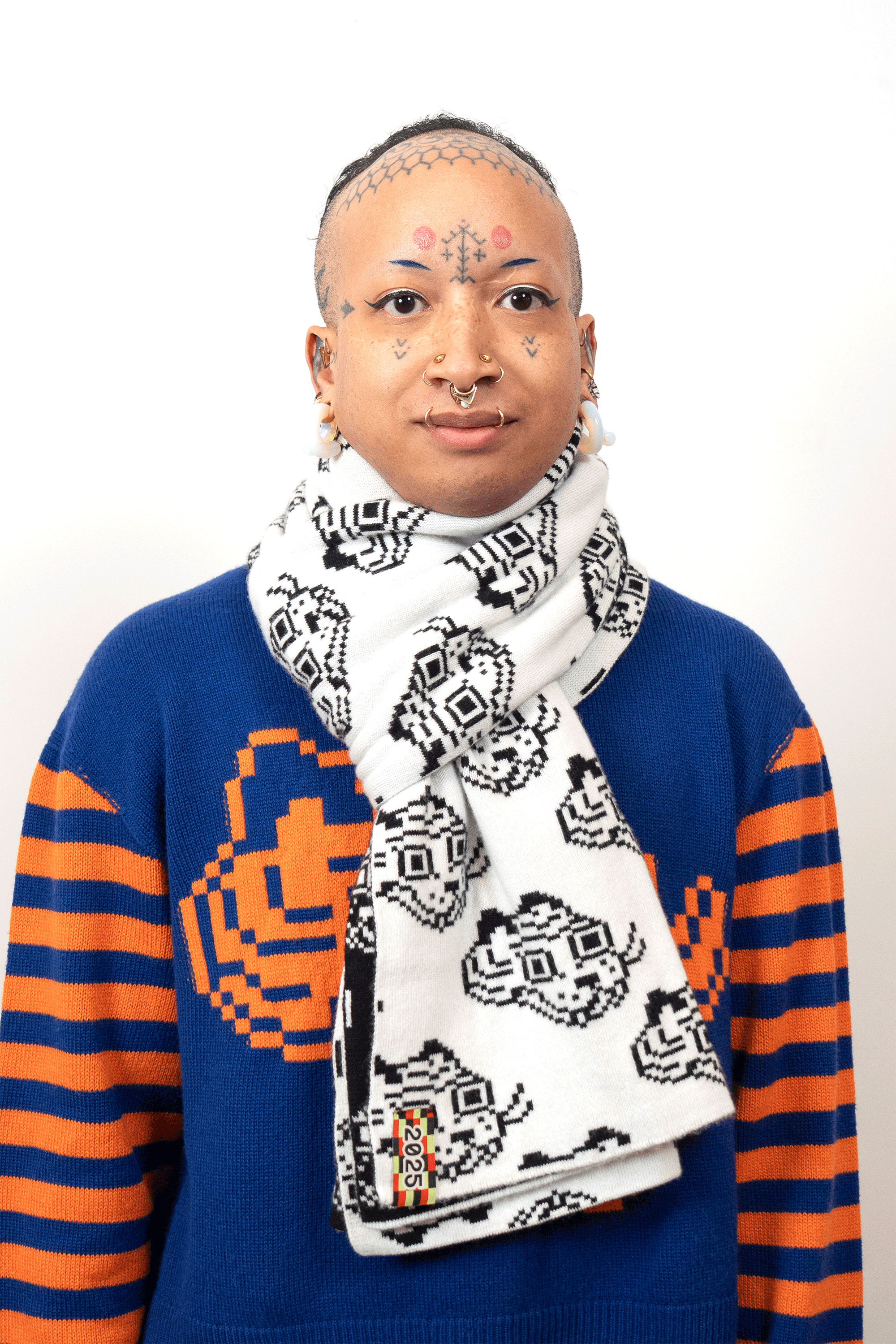
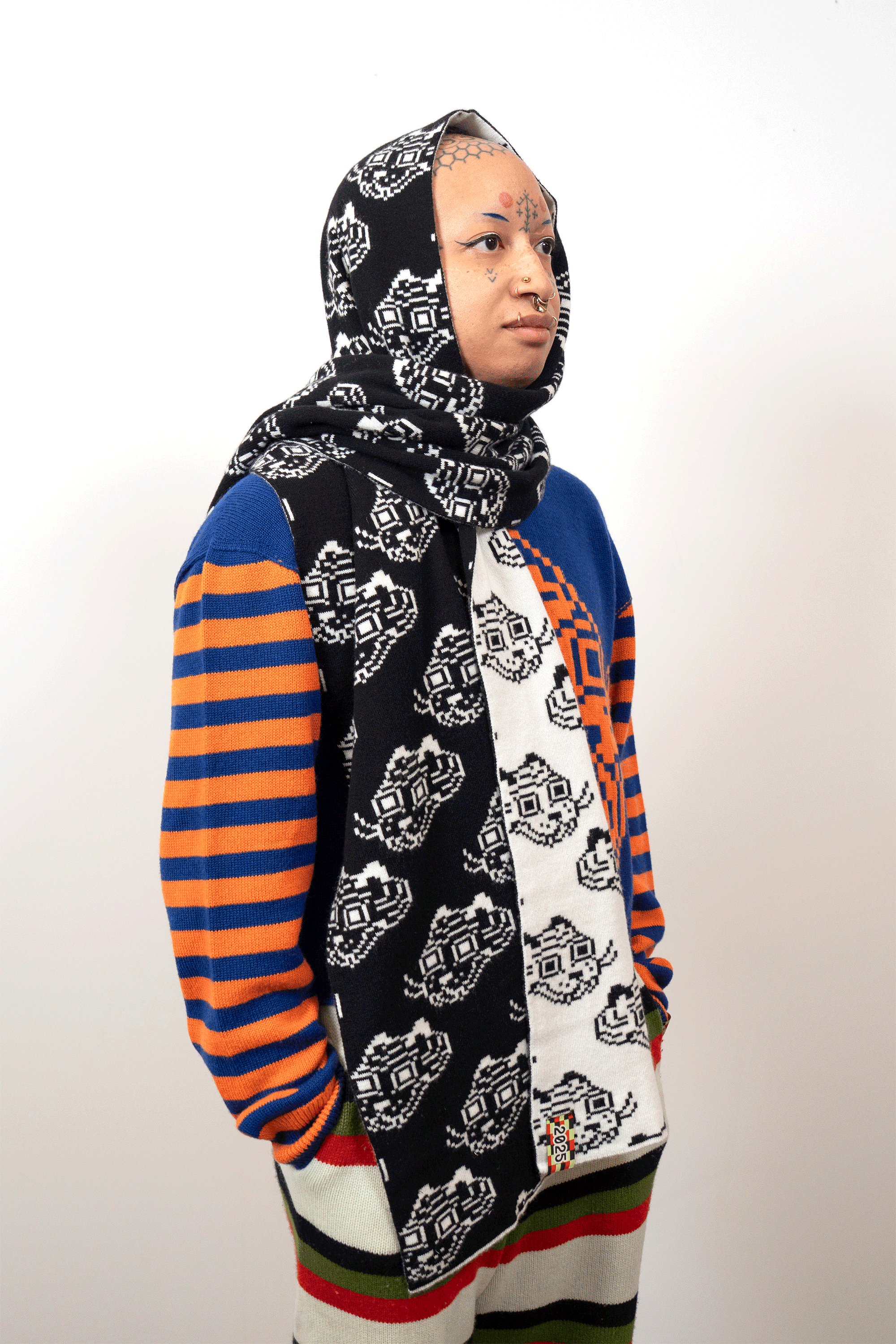
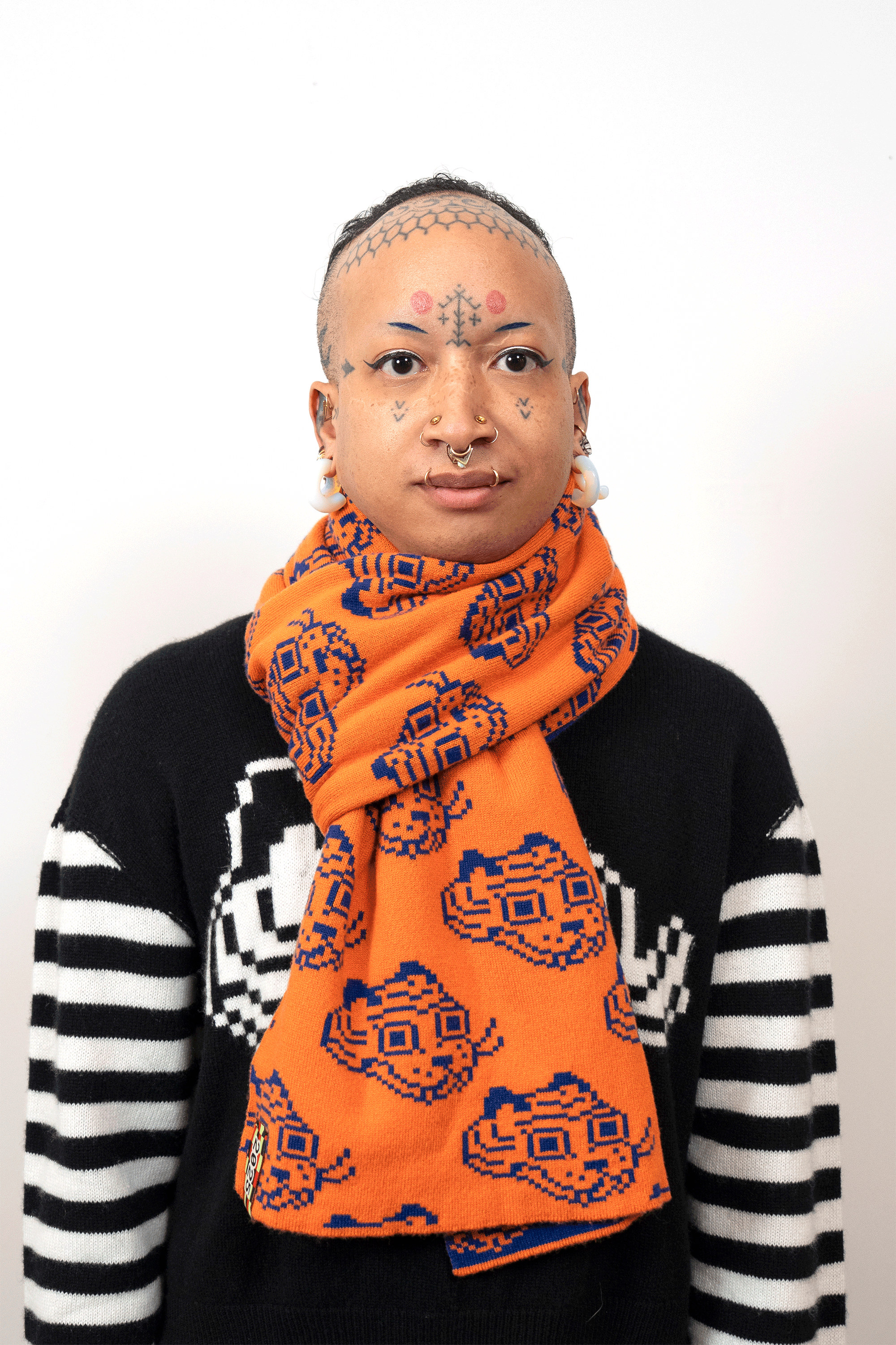
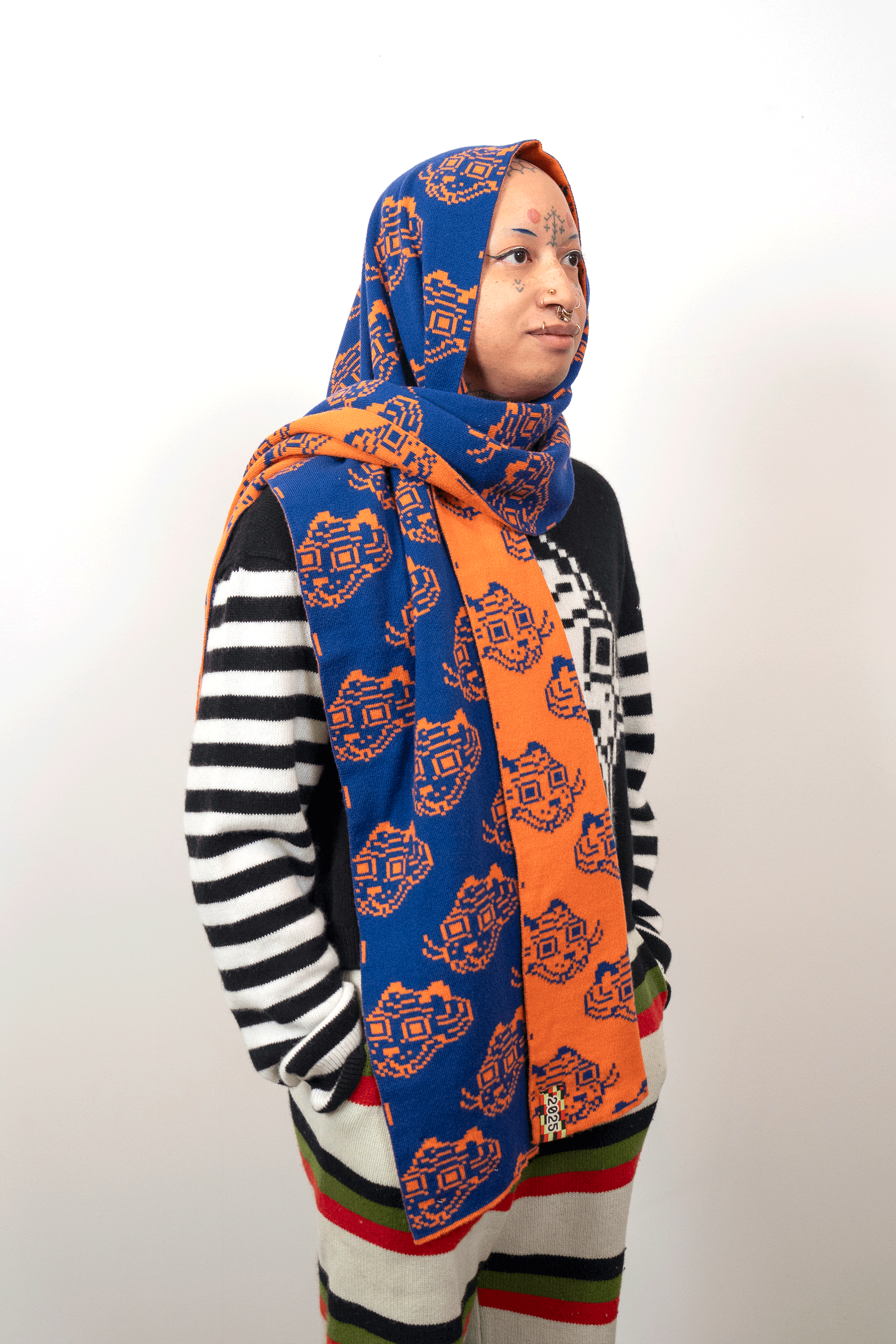
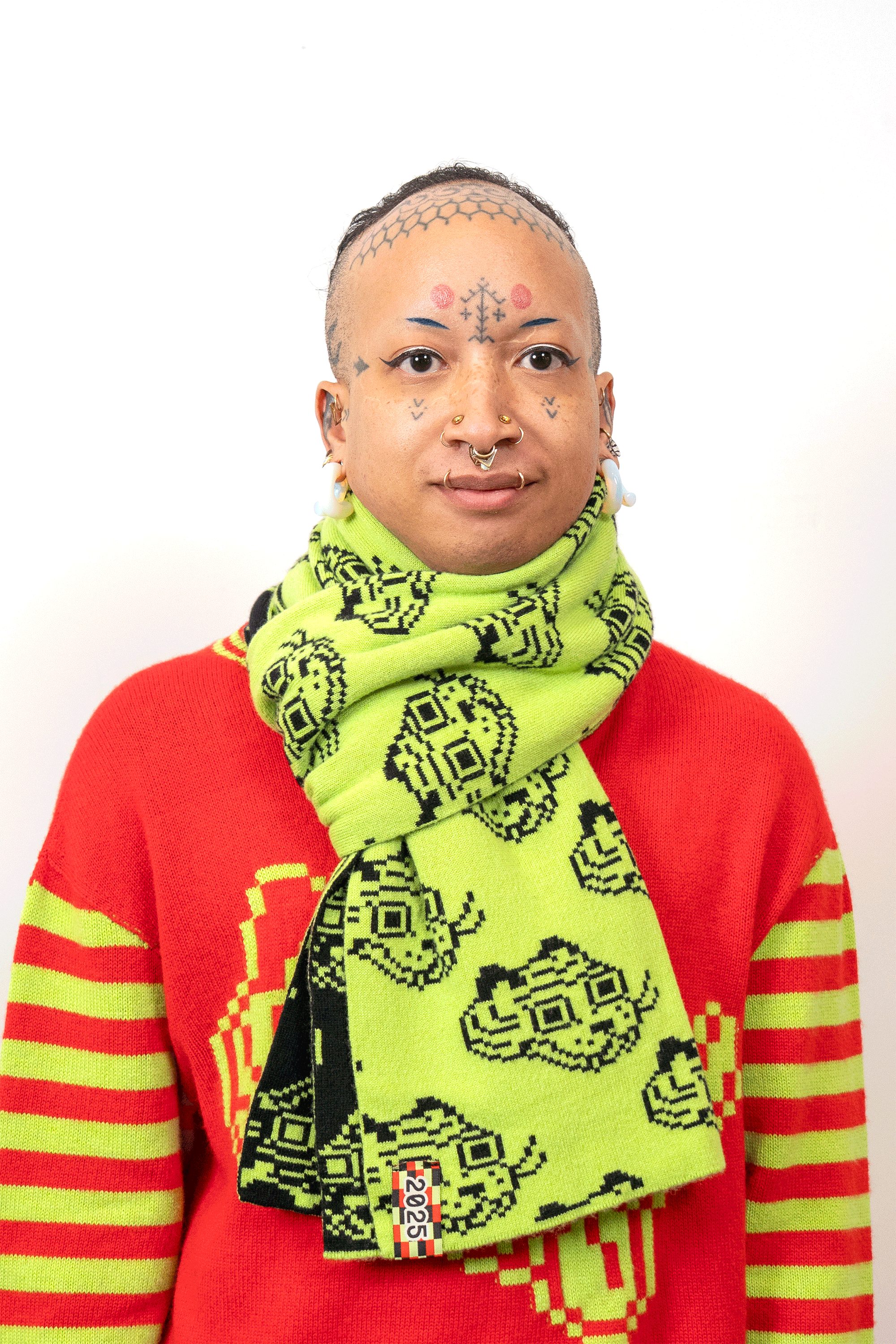
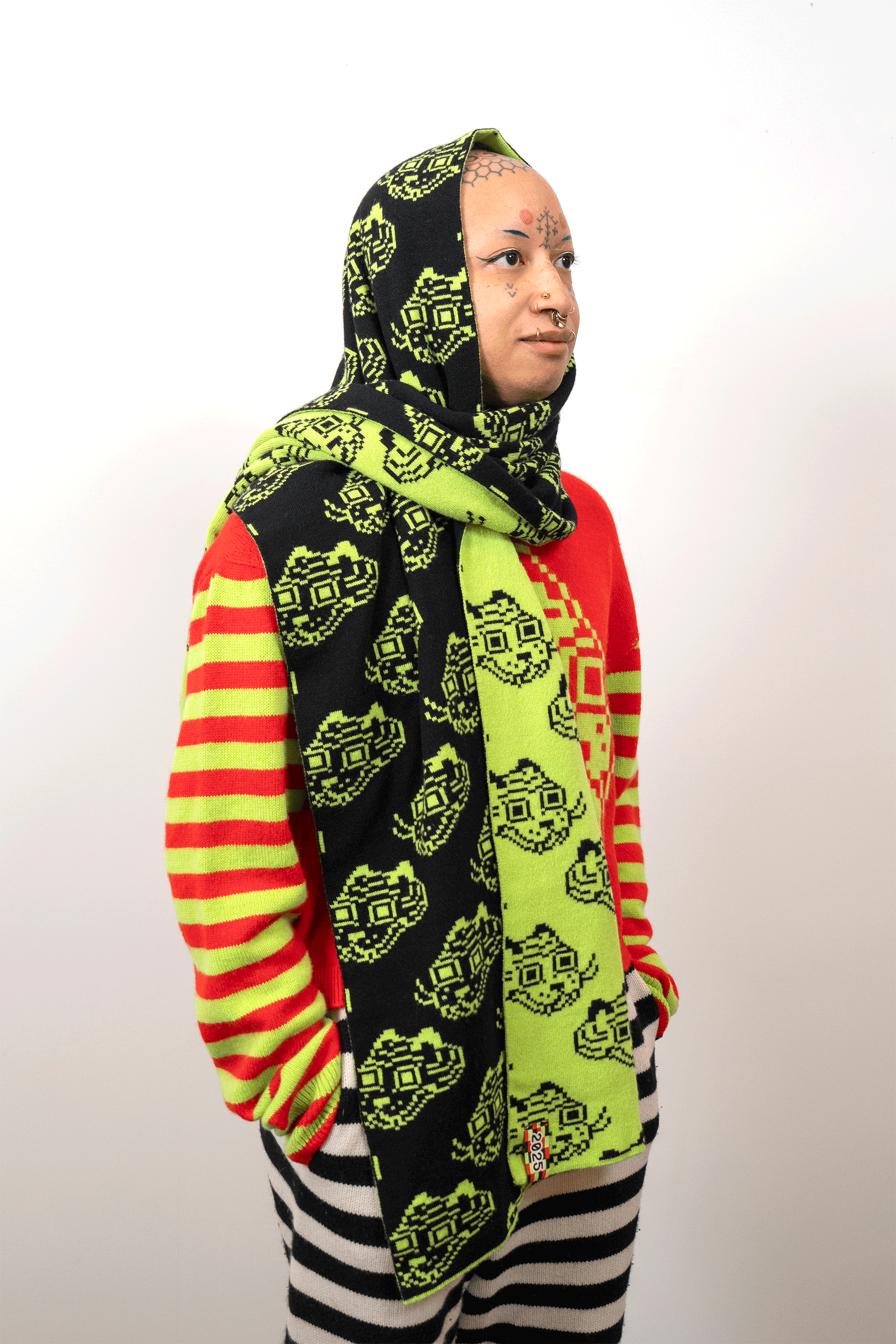
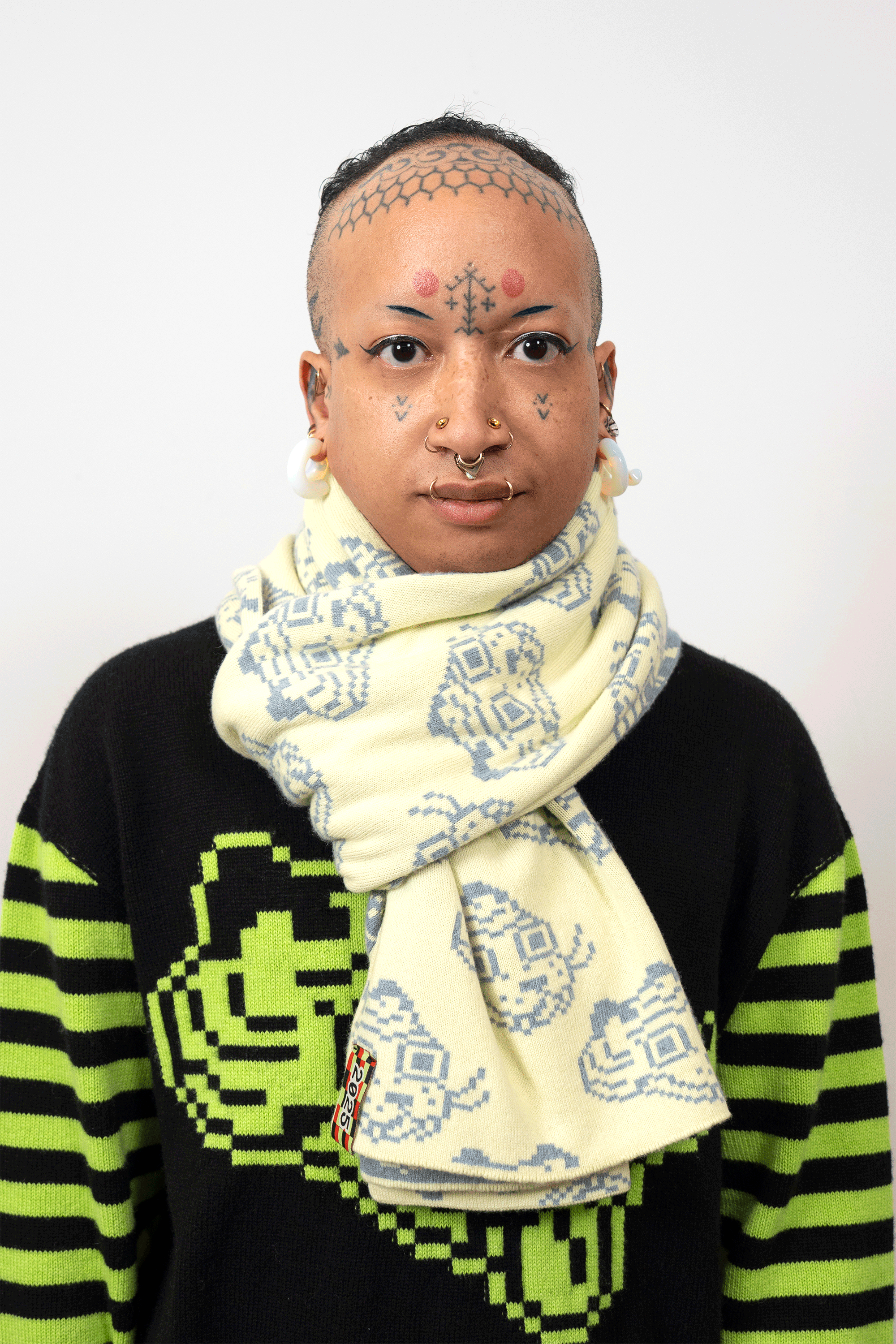
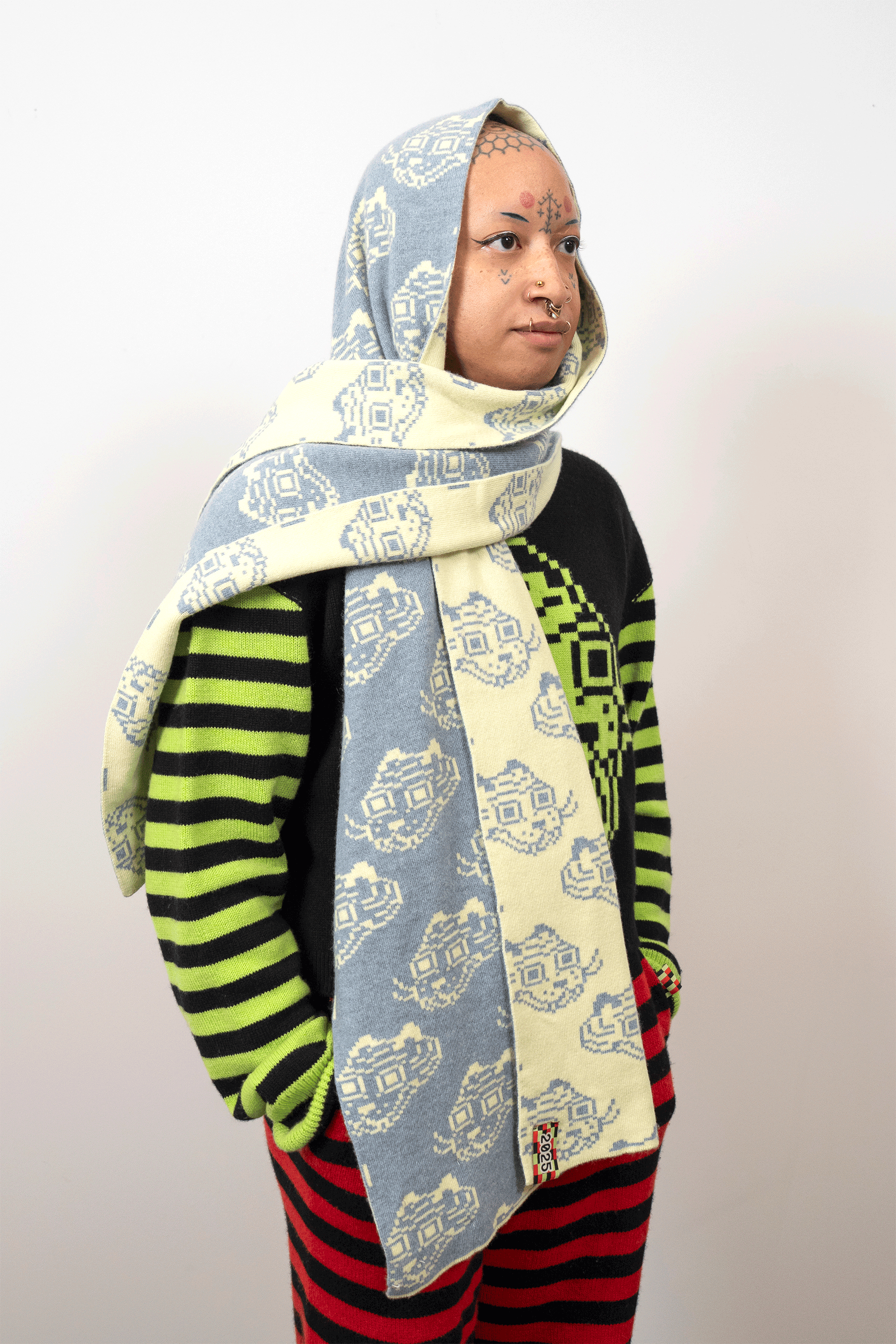
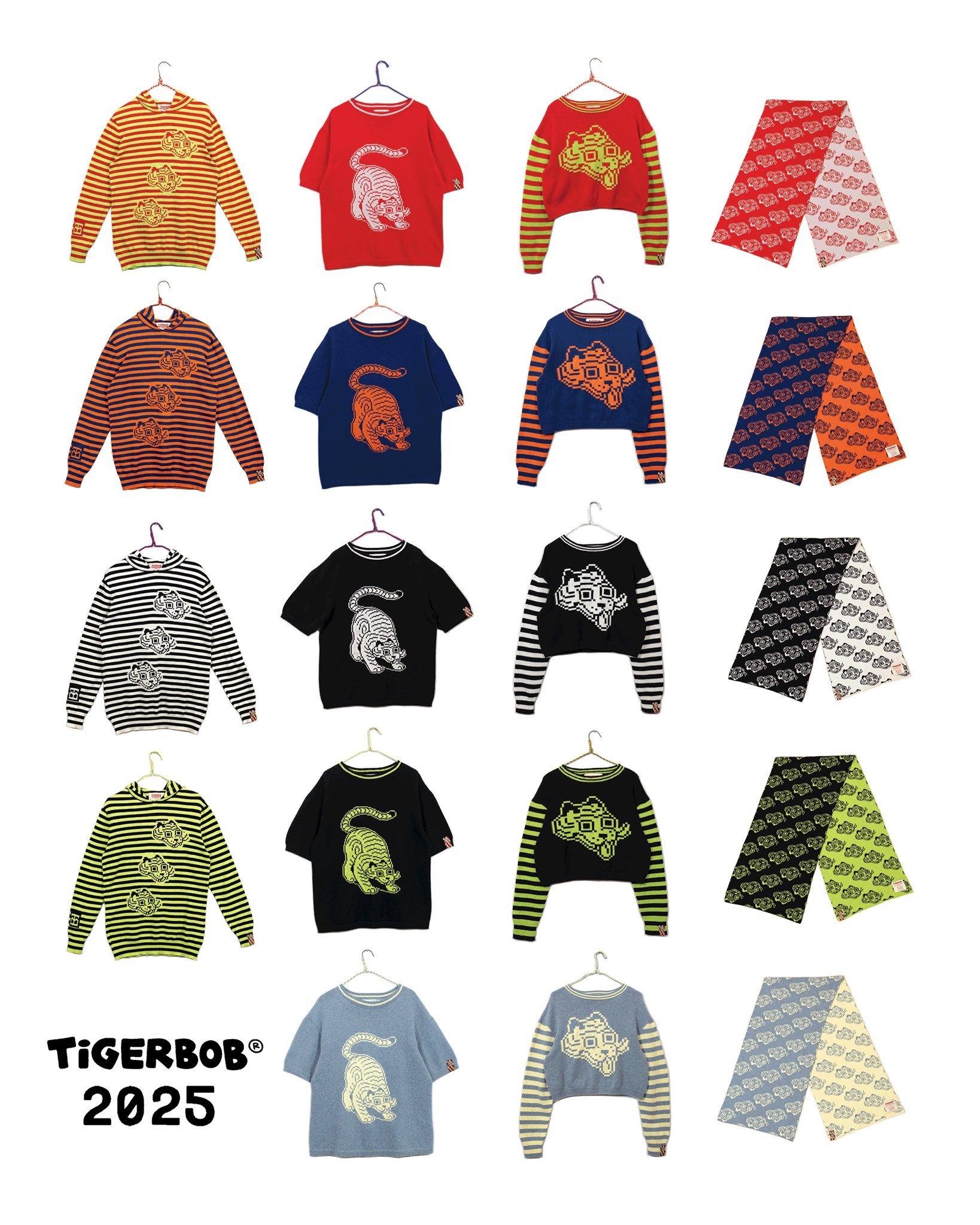
2024
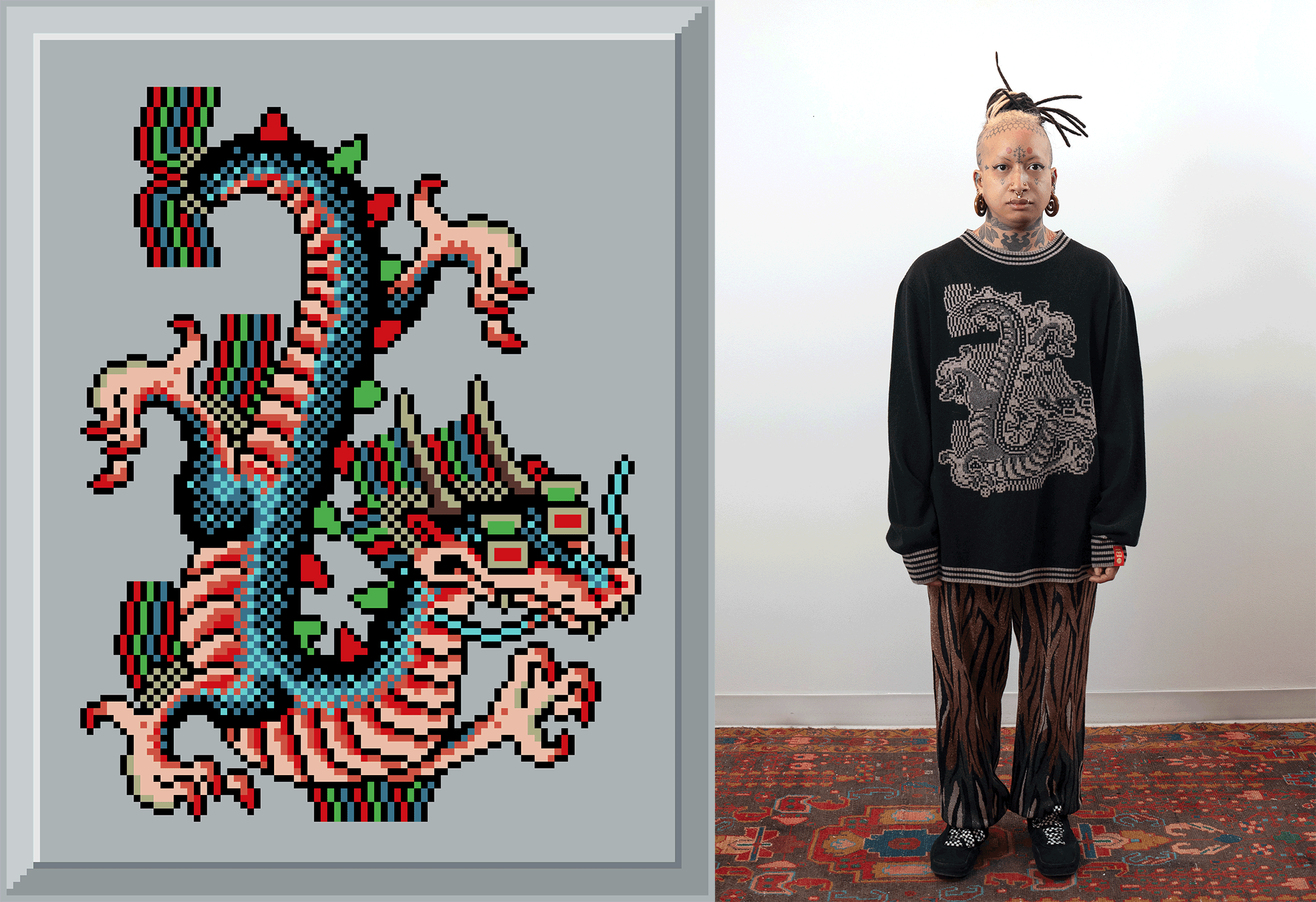
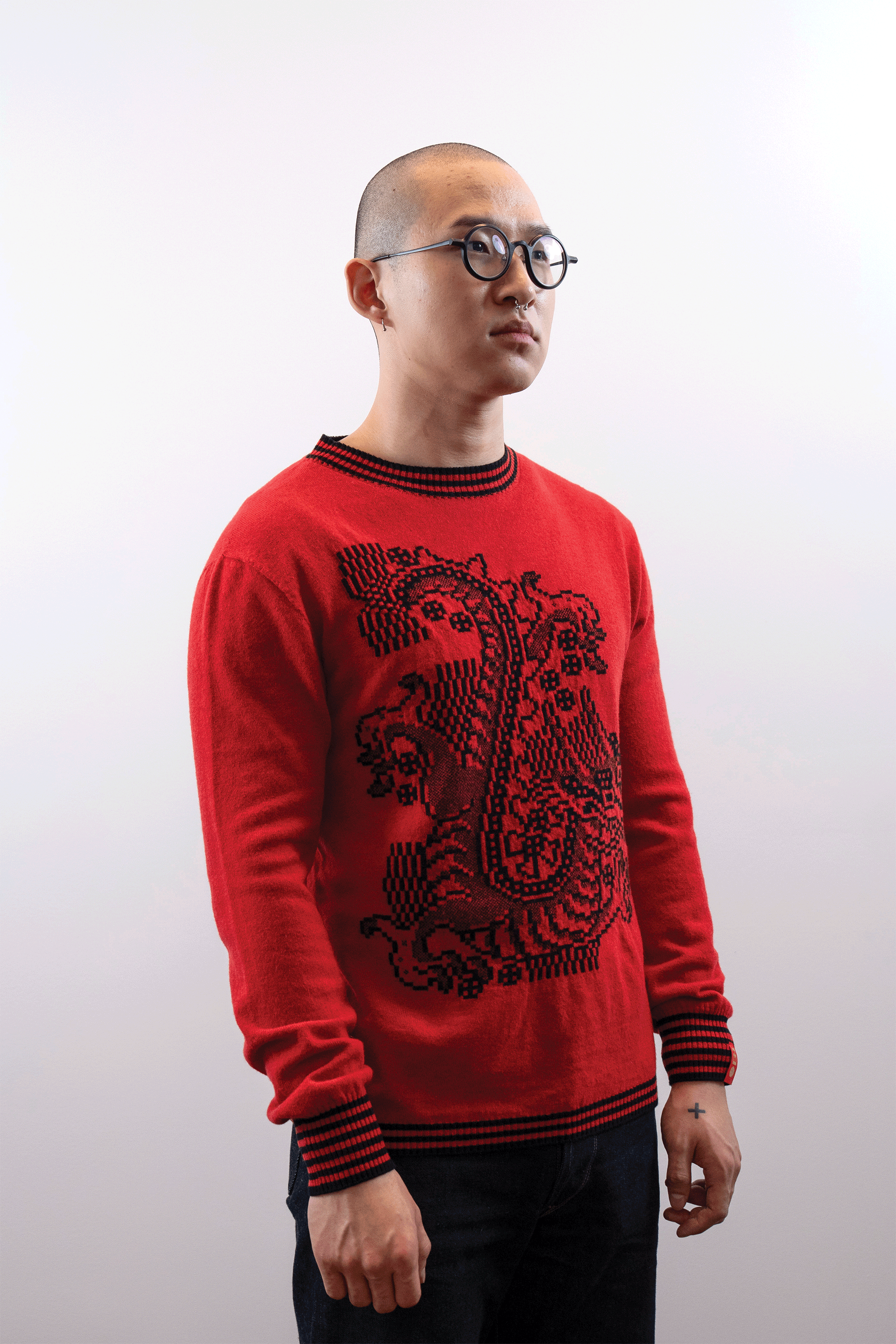
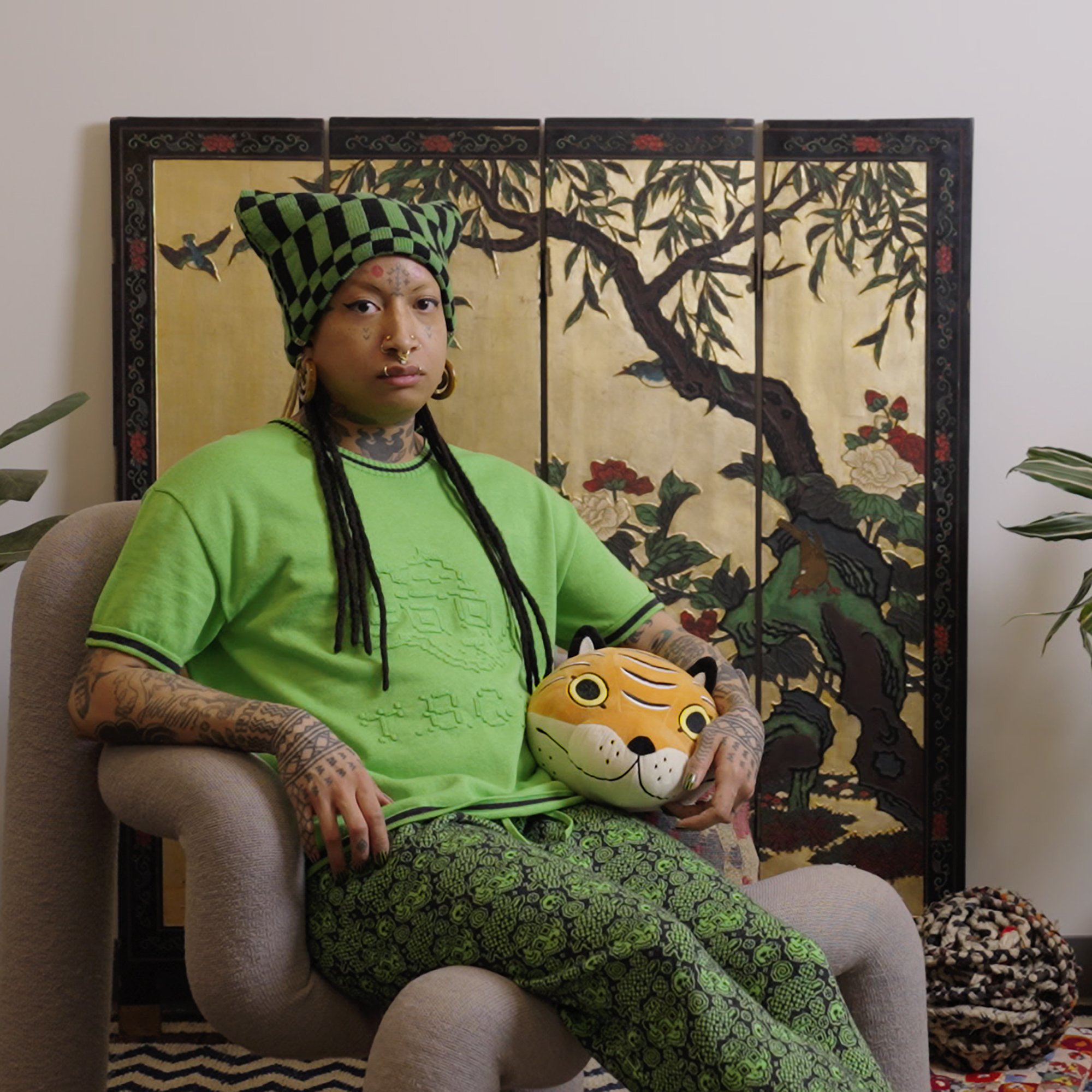
2023